In discussions about modern impact tools, especially those analyzed in law-enforcement policy studies, security-equipment evaluations, or engineering reviews of extendable metal devices, few comparisons appear more often than the one between friction-lock batons and spring-loaded batons, because both devices represent distinct design philosophies that prioritize different combinations of durability, mechanical complexity, reliability, and deployment style. […]
The legality of carrying an expandable baton (also known as a telescopic or collapsible baton) in U.S. national parks is not a simple yes-or-no question—it depends heavily on how weapons are regulated under federal law, combined with how the National Park Service (NPS) implements those regulations in each park, and how state and local laws […]
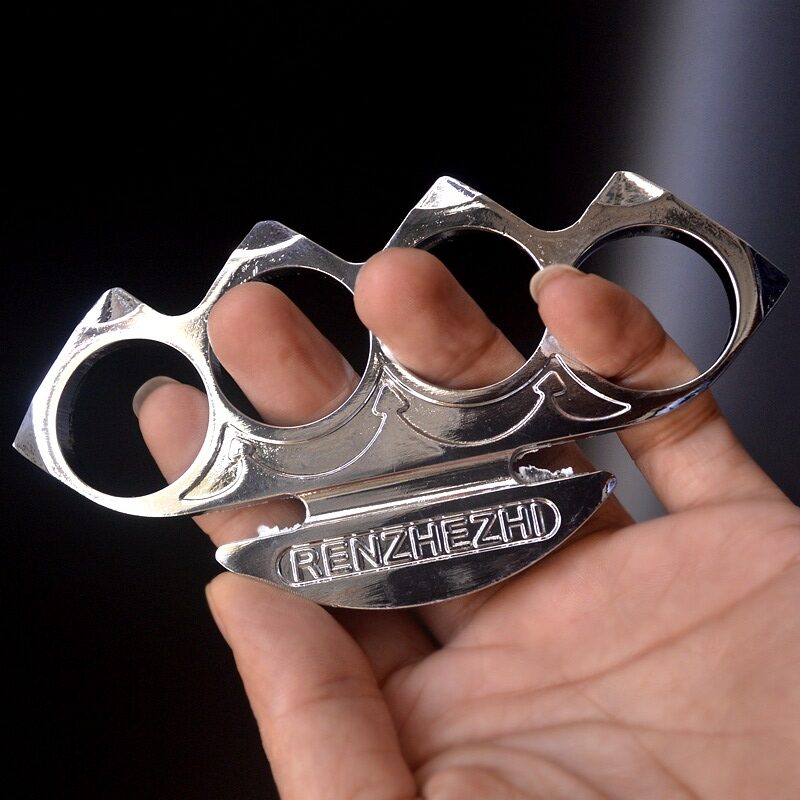
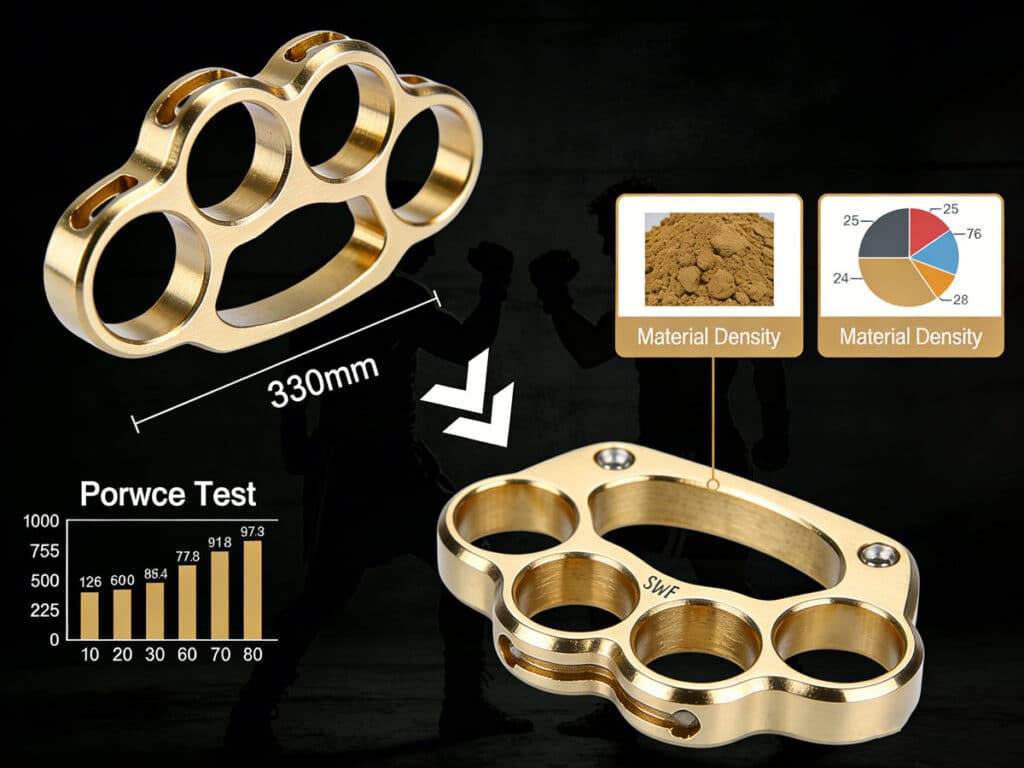
Brass knuckles occupy a complicated place in public imagination, often depicted in film, literature, and historical accounts as tools that significantly magnify the impact of a punch, yet their actual mechanics, history, and physics are far more nuanced than most casual observers realize. Although modern regulations in many regions restrict or prohibit their possession, people […]
In moments when the unexpected becomes reality — a winter storm that strands a commuter, a vehicle that fails on a remote road, or a backcountry day that turns into an overnight — the value of a compact, well-designed multi-tool moves far beyond convenience into the realm of survival. These devices, which combine pliers, […]
Understanding how energy moves through bodies during an impact is valuable for scientists, medical professionals, martial artists who focus on safety and conditioning, and designers of protective equipment, because it clarifies how injuries occur and how they can be mitigated. At the same time, knowledge of the physics involved must be framed by ethical and […]
In contemporary debates about compact handheld defensive implements, knuckle dusters — sometimes called brass knuckles — occupy a paradoxical place: they are at once a piece of craft and design history, an object of controversy because of their association with violence, and an item whose modern iterations are evaluated primarily on the interplay between grip […]
Why Do Martial Artists Use Training Brass Knuckle Dusters? In the world of martial arts, training tools are not chosen lightly. Every piece of equipment — from a simple wooden staff to a precision-engineered training blade — serves a purpose that extends beyond technique, reaching into the philosophy of balance, control, and understanding of […]
Which Knuckle Duster Material Is Best? Few objects carry the same mix of intrigue, controversy, and craftsmanship as the knuckle duster. Also known as brass knuckles or knucks, this compact hand-held tool has traveled a long path from 19th-century military trenches and street skirmishes to modern collections, martial arts demonstrations, and handmade craft showcases. […]
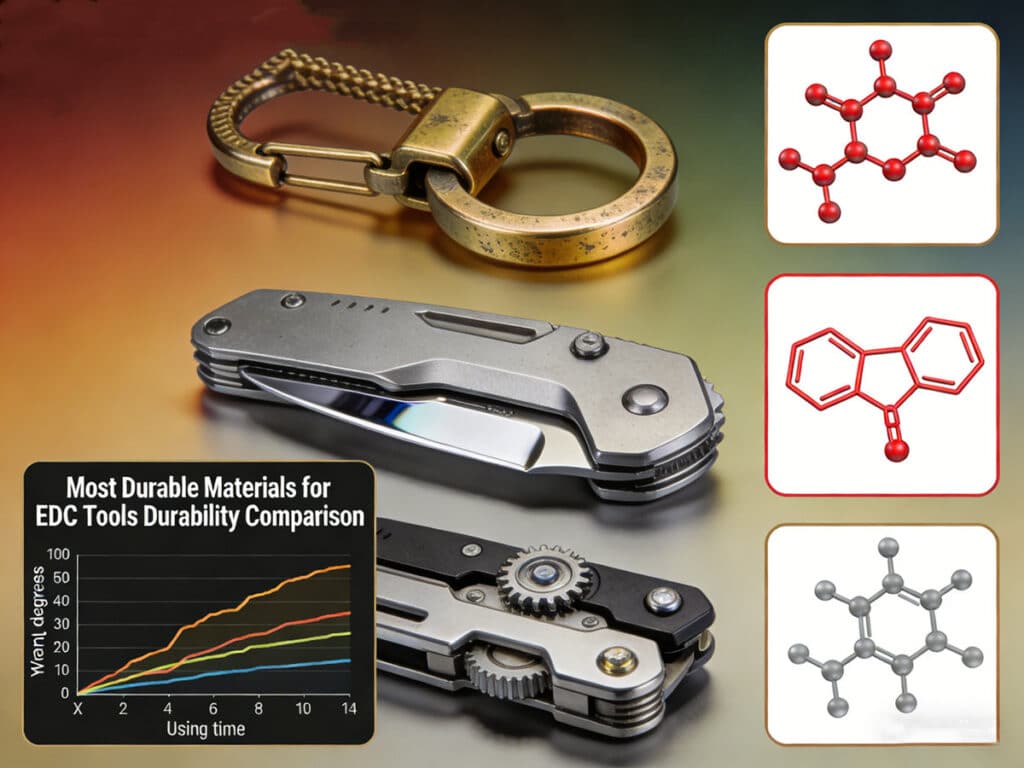
I. The Evolution of Compact Utility: Why Keychain Multi-Tools Redefine Preparedness The paradigm of everyday carry (EDC) has shifted irrevocably toward minimalist efficiency, with modern keychain multi-tools condensing over 25 functions into sub-100g packages through aerospace-grade metallurgy and kinematic optimization. Unlike traditional pocket tools, these micro-platforms solve the critical tension between capability and convenience: They remain perpetually accessible while […]
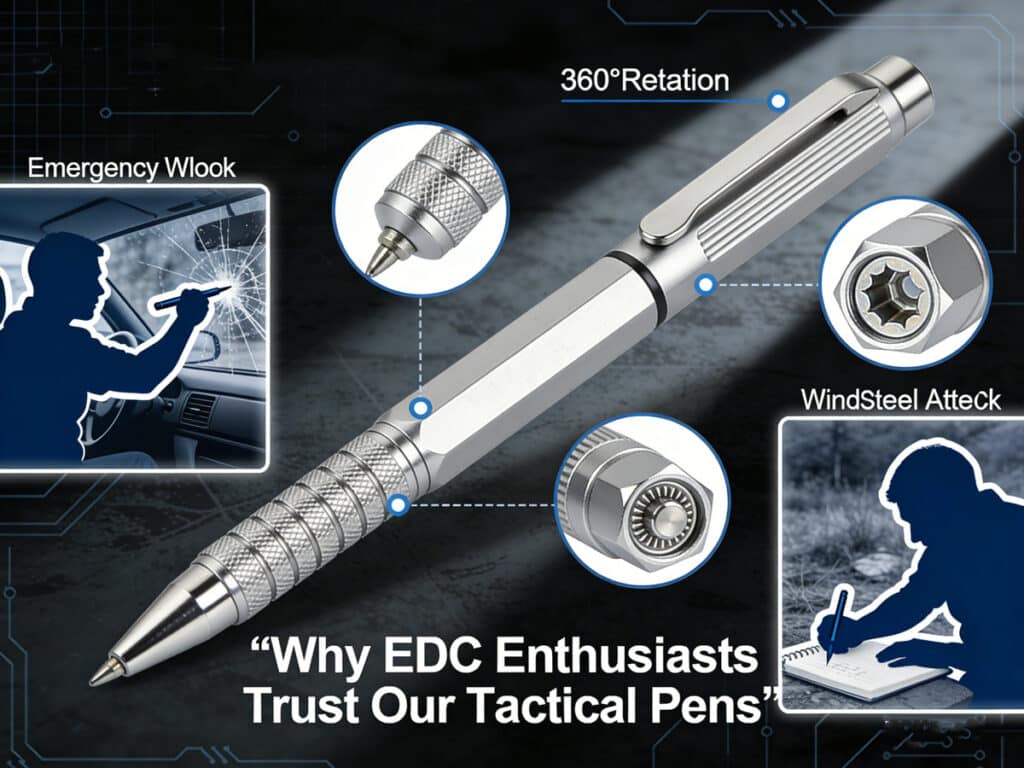
Total Cost of Ownership – Breaking Down the 10-Year Investment Refillable tactical pens demand higher upfront costs (75–75–200) versus disposable alternatives (15–15–40), yet reveal significant savings through extended lifecycle economics. 1.1 Component Replacement Cost Analysis Expense Category Refillable Pens (e.g., Gerber Impromptu) Disposable Pens (e.g., S&W Tactical) Initial Unit Cost $149 $29 Annual Refill Cartridges $6 […]