Dec
Knowledge of Weapons
Are Expandable Batons Suitable for Women’s Self-Defense?
In an era where personal safety is a top priority for people of all genders, women often seek self-defense tools that balance effectiveness, portability, and ease of use. Among the wide range of options available—from pepper sprays to tactical gear—the expandable baton has emerged as a controversial yet popular choice. But does this compact, extendable weapon truly align with the unique needs and challenges women face in self-defense scenarios? This guide breaks down the key factors to consider, weighing the benefits, limitations, and practicality of expandable batons for female users.
I. Understanding the Expandable Baton: Design and Function
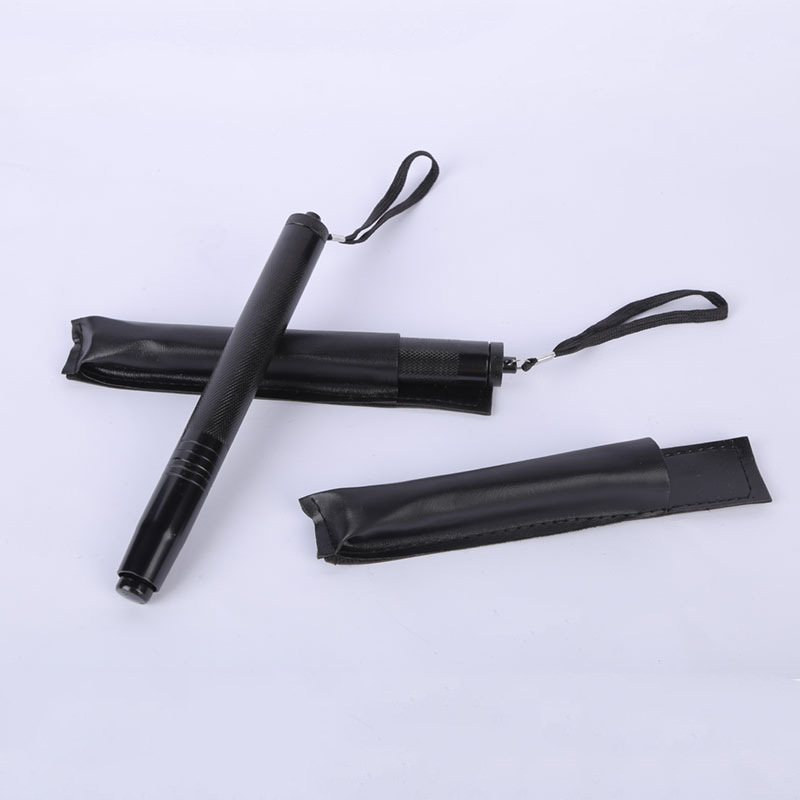
An expandable baton (also known as a telescopic baton) is a collapsible melee weapon typically made of lightweight yet durable materials like aluminum or steel, designed to extend from a compact, pocket-sized form to a full-length baton with a quick flick or twist. Its core function is to deliver non-lethal blunt-force strikes to deter or disable an attacker, focusing on areas like the arms, legs, or torso to avoid fatal injury. Unlike bulky traditional batons, expandable models are engineered for portability, making them easy to carry in a purse, waist holster, or backpack without drawing unwanted attention. For women who prioritize discretion, this compact design is a significant advantage, as it allows for discreet carry without sacrificing defensive capability when needed.
II. Pros and Cons of Expandable Batons for Women’s Self-Defense
Advantages That Align with Women’s Safety Needs
- Compact Portability: One of the most compelling benefits of expandable batons is their ability to collapse into a small size—often 6 to 10 inches—making them far more manageable than heavy weapons or large tools. For women who may not have the strength to carry bulky gear, this lightweight design ensures the tool is always accessible without becoming a burden during daily activities.
- Non-Lethal Deterrence: Unlike firearms or sharp weapons, expandable batons are designed to incapacitate rather than kill, reducing the risk of accidental harm to the user or bystanders. This aligns with many women’s preference for self-defense tools that offer protection without requiring lethal force, minimizing legal and ethical complications.
- Intimidation Factor: The distinct “click” sound of an expandable baton extending can often deter attackers before physical contact occurs. Many assailants rely on surprise and the victim’s perceived vulnerability; brandishing an extendable baton signals preparedness and resistance, potentially de-escalating the situation entirely.
Limitations to Consider
- Physical Strength and Training Requirements: While expandable batons are lightweight, effective use requires a certain level of upper-body strength and proper technique to deliver impactful strikes. Women with limited strength may struggle to generate enough force to disable an attacker, especially if the assailant is larger or more aggressive. Without proper training, the baton may even be taken away and used against the user—a critical risk in high-stress scenarios.
- Legal Restrictions: Laws regarding the possession and use of expandable batons vary widely by region, with some areas classifying them as prohibited weapons. Women must research local regulations before purchasing or carrying a baton, as legal consequences for unlawful possession can outweigh any safety benefits.
- Close-Range Limitation: Expandable batons are most effective in close-quarters combat, but they require the user to maintain a safe distance from the attacker. For women facing surprise attacks or grapples, the need to extend the baton and create space can be challenging, as attackers may close in before the tool is fully deployed.
III. Practical Considerations for Female Users
Beyond the pros and cons, women must evaluate how an expandable baton fits into their individual safety routines. First, training is non-negotiable: even the best self-defense tool is useless without knowing how to use it. Enrolling in a women-specific self-defense course that includes baton technique can build confidence, teach proper striking form, and simulate real-world scenarios to prepare for high-pressure situations. Second, ergonomics matter: many expandable batons are designed with a universal grip, but women with smaller hands may benefit from models with textured or tapered handles for better control. Testing the weight and extension mechanism before purchasing ensures the tool feels comfortable and responsive to use.
IV. When an Expandable Baton May Not Be the Best Choice
For some women, an expandable baton may not align with their safety needs or comfort level. Those who struggle with upper-body strength, prefer hands-free self-defense options, or live in regions with strict weapon laws may find alternatives like pepper spray, personal alarms, or self-defense classes more practical. Additionally, women who prioritize avoiding physical confrontation may feel uneasy carrying a melee weapon, as it requires a willingness to engage with an attacker directly—a personal choice that should never be pressured.
V. Balancing Choice and Safety: Exploring Complementary Tools
Ultimately, the suitability of an expandable baton for women’s self-defense depends on individual circumstances, including physical capability, legal constraints, and personal comfort. For those who do choose to carry a baton, pairing it with other non-lethal tools can enhance overall safety. Options like the brass knuckle (a compact hand-held weapon that amplifies the force of punches) or a tactical pen (a discrete writing tool with a reinforced tip for striking) offer alternative means of defense, each with their own advantages in different scenarios. By combining tools with proper training and situational awareness, women can create a comprehensive self-defense strategy that empowers them to stay safe without compromising their values or comfort. Whether an expandable baton is the right choice or not, the most important goal is to select tools that feel accessible, effective, and aligned with one’s unique needs—because safety is not a one-size-fits-all solution.