
Jun
Knowledge of Weapons, Weapons How
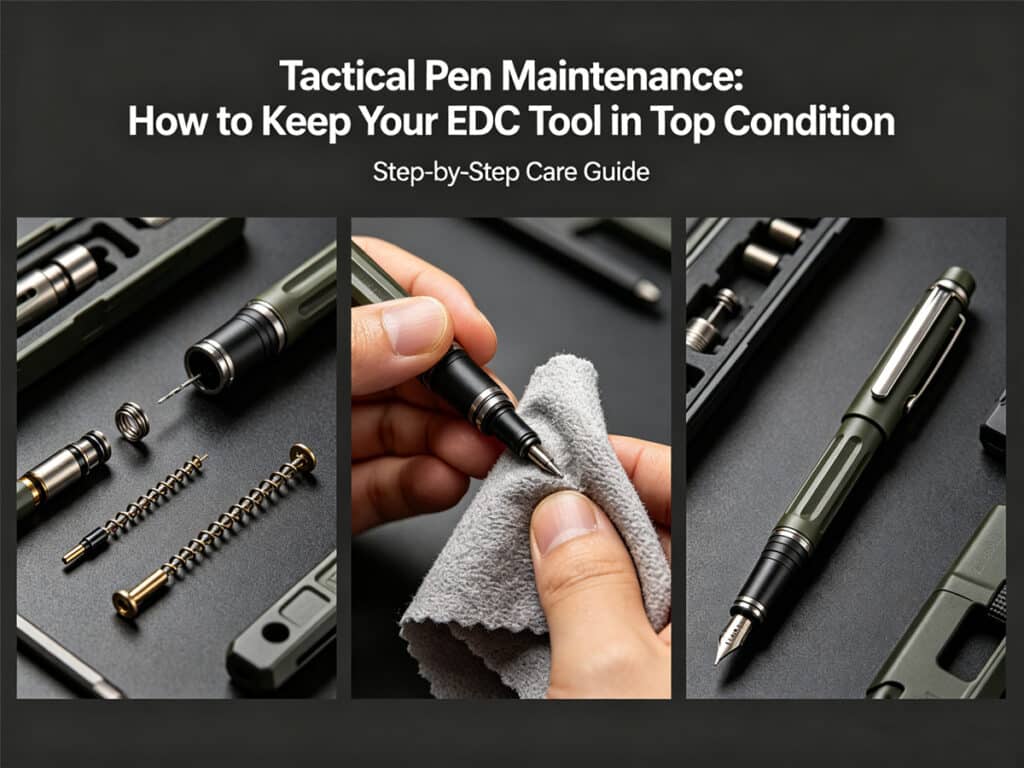
Tactical Pen Maintenance: How to Keep Your EDC Tool in Top Condition
Tactical pens have become an essential part of everyday carry for individuals who value preparedness, discreet self-defense, and reliable writing instruments that can withstand demanding conditions. These versatile tools combine the functionality of a sturdy pen with the durability required for emergency situations, making them far more than simple office supplies. Proper maintenance ensures that your tactical pen remains reliable over years of use, preserving its structural integrity, writing performance, and defensive capabilities while preventing unexpected failures when you need it most. In this comprehensive guide, we explore the key practices that will help you maintain your EDC tool in optimal condition through consistent care and attention to detail.
Understanding the Components of a Tactical Pen
Before diving into specific maintenance routines, it becomes crucial to develop a thorough understanding of how a tactical pen is constructed and what makes each part essential to its overall performance. A typical tactical pen consists of several interconnected components, including the body or barrel, usually crafted from aircraft-grade aluminum or hardened steel, the tip or writing end that houses the ink cartridge, the cap or click mechanism for deployment, and often reinforced striking ends designed for defensive purposes. These elements work together in harmony, but each requires individual attention because wear on one part can compromise the functionality of the entire device.
The body of the pen, which provides the primary grip and structural support, often features textured surfaces or grooves that enhance handling in wet or high-stress conditions, yet these same textures can accumulate dirt and debris over time if not properly addressed. The ink cartridge, while seemingly straightforward, represents a critical element that affects both writing reliability and the balance of the pen during use. Many tactical pens also incorporate glass-breaking tips or blunt striking surfaces at the opposite end, adding layers of complexity to maintenance because these areas must retain their hardness and precision without developing burrs or weaknesses.
Investing time in learning these components allows owners to identify potential issues early, such as loosening threads where the cap meets the body or subtle shifts in the internal spring mechanism that controls deployment. This foundational knowledge transforms maintenance from a reactive chore into a proactive habit that extends the lifespan of your EDC tool significantly. Professionals who carry tactical pens daily often report that understanding these intricacies leads to fewer replacements and greater confidence in their gear during both routine tasks and unexpected situations. By familiarizing yourself with every nut, bolt, and surface, you create a mental checklist that guides your care routine and helps preserve the pen’s dual role as both a writing instrument and a discreet defensive option.
Establishing a Regular Cleaning Routine
Maintaining cleanliness stands as one of the most fundamental yet frequently overlooked aspects of tactical pen care, particularly because these tools often encounter environments ranging from office desks to outdoor adventures where exposure to elements becomes inevitable. A comprehensive cleaning routine should begin with disassembling the pen whenever possible, separating the cap from the body and removing the ink cartridge to access all internal surfaces. Use a soft microfiber cloth dampened with isopropyl alcohol or a specialized cleaning solution designed for precision instruments, carefully wiping down each component to remove fingerprints, lint, pocket debris, and any residue that might affect smooth operation.
Longer exposure to moisture or sweat, common for those who carry their tactical pen in pockets during physical activities, can lead to corrosion on metal surfaces if not addressed promptly, which is why weekly cleaning sessions prove beneficial for most users. Pay special attention to the threaded areas where components screw together, as dirt accumulation here can cause binding or difficulty in deployment during critical moments. For the striking tip or glass-breaker end, gentle scrubbing with a soft brush helps maintain its effectiveness without dulling the edges through excessive abrasion.
After cleaning, allow all parts to air dry completely before reassembly to prevent trapped moisture from causing internal issues. Some enthusiasts recommend using compressed air to blow out hard-to-reach crevices, ensuring no particles remain that could interfere with the pen’s mechanisms. This methodical approach not only preserves the aesthetic appeal of your EDC tool but also ensures that it performs consistently whether you are jotting down notes or relying on its robust construction in self-defense scenarios. Over time, this routine becomes second nature, requiring minimal effort while delivering substantial returns in reliability and longevity.
Dealing with Stubborn Residue and Buildup
In situations where standard cleaning methods fall short, such as when ink leaks or environmental grime has hardened, more targeted techniques become necessary to restore your tactical pen without causing damage. A mild solvent applied sparingly on a cotton swab can dissolve stubborn residues, but always test on an inconspicuous area first to confirm material compatibility. Avoid harsh chemicals that might strip protective coatings or weaken structural elements, opting instead for products specifically formulated for metal and polymer maintenance.
Proper Lubrication Practices for Smooth Operation
Lubrication plays a vital role in keeping the moving parts of your tactical pen functioning with precision, particularly the deployment mechanisms and threaded connections that experience repeated friction during daily use. Selecting the right lubricant requires careful consideration, as not all oils or greases suit the materials used in tactical pens, where compatibility prevents degradation of seals or O-rings if present. A high-quality, dry lubricant like graphite powder or a light machine oil designed for precision instruments works effectively in most cases, applied sparingly to avoid attracting dust and creating new problems.
Begin by applying a small amount to the threads and working it in by screwing and unscrewing the components several times to distribute evenly, which ensures smooth engagement without excess buildup. For click-style mechanisms, a tiny drop on the internal plunger can restore satisfying tactile feedback that many users appreciate in their tactical pen. It becomes important to wipe away any visible excess after application, as over-lubrication can lead to slippage during gripping or reduce the pen’s effectiveness in defensive applications where secure handling matters greatly.
Regular lubrication every few months, or more frequently for heavy users, prevents wear on contact surfaces and maintains the crisp action that distinguishes quality tactical pens from ordinary writing tools. This practice extends beyond mere functionality by preserving the overall balance and weight distribution that contributes to comfortable extended use. Many experienced carriers emphasize that proper lubrication transforms a good EDC tool into an exceptional one, capable of seamless transitions between writing tasks and emergency responses without hesitation or mechanical failure.
Choosing the Right Lubricants for Different Materials
Different tactical pen models utilize varying materials, from titanium to stainless steel, each responding uniquely to lubrication products. Researching manufacturer recommendations or consulting with specialists helps avoid common pitfalls that could void warranties or compromise performance over time.
Managing Ink Cartridges and Refills Effectively
The ink cartridge represents the heart of your tactical pen’s writing capability, and its maintenance directly influences both daily usability and the tool’s overall balance during defensive maneuvers. Selecting high-quality refills compatible with your specific model ensures consistent ink flow without leaks or drying issues that could create messes in pockets or compromise grip surfaces. When replacing cartridges, inspect the housing for any signs of wear or deformation that might affect seating and alignment within the barrel.
Store spare ink cartridges in a cool, dry place away from direct sunlight to prevent premature drying or chemical breakdown, which preserves their usability for extended periods. During replacement, clean the internal chamber thoroughly to remove any dried ink residue that could clog new cartridges or cause inconsistent performance. This attention to detail maintains the pen’s reliability as both a professional writing instrument and a dependable EDC tool in various environments.
Advanced users often experiment with different ink types, from gel to ballpoint, selecting those that match their writing preferences while considering factors like water resistance for outdoor applications. Proper management of this component prevents the frustration of unexpected failures and ensures your tactical pen remains ready for any task, whether documenting important information or serving in protective capacities.
Addressing Wear and Tear on Critical Surfaces
Over extended periods of carry and use, tactical pens inevitably develop signs of wear, particularly on high-contact areas such as the clip, grip textures, and striking ends, requiring proactive intervention to maintain structural integrity. Regular inspection under good lighting helps identify micro-scratches, loosening components, or subtle deformations before they escalate into functional problems. The clip, essential for secure pocket carry, deserves special attention as repeated flexing can weaken its tension over time, potentially leading to loss of the pen during movement.
For metal surfaces showing early corrosion, specialized polishing compounds can restore appearance and protective qualities without removing too much material. Striking ends and reinforced tips may benefit from occasional deburring with fine-grit tools, though this requires careful technique to preserve their designed geometry and effectiveness. Addressing these issues promptly prevents cascading failures where one weakened component places additional stress on others, ultimately extending the service life of your tactical pen substantially.
Professional maintenance sometimes involves sending the tool to manufacturers for specialized repairs, especially for higher-end models with intricate construction. This investment in care reflects the value placed on having a reliable EDC tool that performs consistently across countless situations and environments.
When to Consider Professional Servicing
Certain complex repairs or deep restorations exceed typical user capabilities, making manufacturer support or specialized services valuable resources for preserving your investment in quality gear.
Optimal Storage Solutions for Longevity
Proper storage significantly impacts how well your tactical pen withstands periods of non-use or intermittent carry, protecting it from environmental factors that accelerate deterioration. Dedicated cases or pouches made from materials that resist moisture and impact provide excellent protection, particularly when storing multiple tools or carrying them in bags where shifting contents might cause scratches. Avoid leaving tactical pens in extreme temperatures, such as hot vehicles or damp outdoor locations, as these conditions can affect both metal integrity and ink stability.
For long-term storage, consider disassembling the pen partially and placing desiccant packets nearby to control humidity levels effectively. This approach proves especially useful for collectors or individuals who rotate between different EDC tools throughout the year. Thoughtful storage complements daily maintenance routines by minimizing unnecessary exposure to harmful elements, ensuring that when you retrieve your tactical pen, it performs exactly as expected without requiring immediate corrective actions.
Many enthusiasts develop personalized storage systems that integrate with their overall preparedness setups, creating seamless access while maintaining optimal conditions for their equipment.
Enhancing Durability Through Preventive Measures
Preventive strategies extend far beyond basic cleaning and lubrication by incorporating habits that reduce overall stress on the tactical pen during normal use. Selecting appropriate carry positions minimizes accidental impacts and excessive movement that could loosen components over time. Rotating between multiple pens if your lifestyle permits allows each tool periodic rest, preventing concentrated wear on any single item.
Educating yourself about the specific design features of your model enables more informed decisions regarding usage intensity and care frequency. These measures collectively create a comprehensive maintenance ecosystem that keeps your EDC tool performing at peak levels throughout its extended service life, providing peace of mind and reliability when circumstances demand it most.
In exploring complementary self-defense options alongside your well-maintained tactical pen, many enthusiasts also appreciate the robust craftsmanship found in items like a brass knuckle available through brassknucklesmaster.com, which can round out a thoughtful everyday carry collection.