
Jun
Knowledge of Weapons, Weapons Why, Whether Weapons Are Illegal
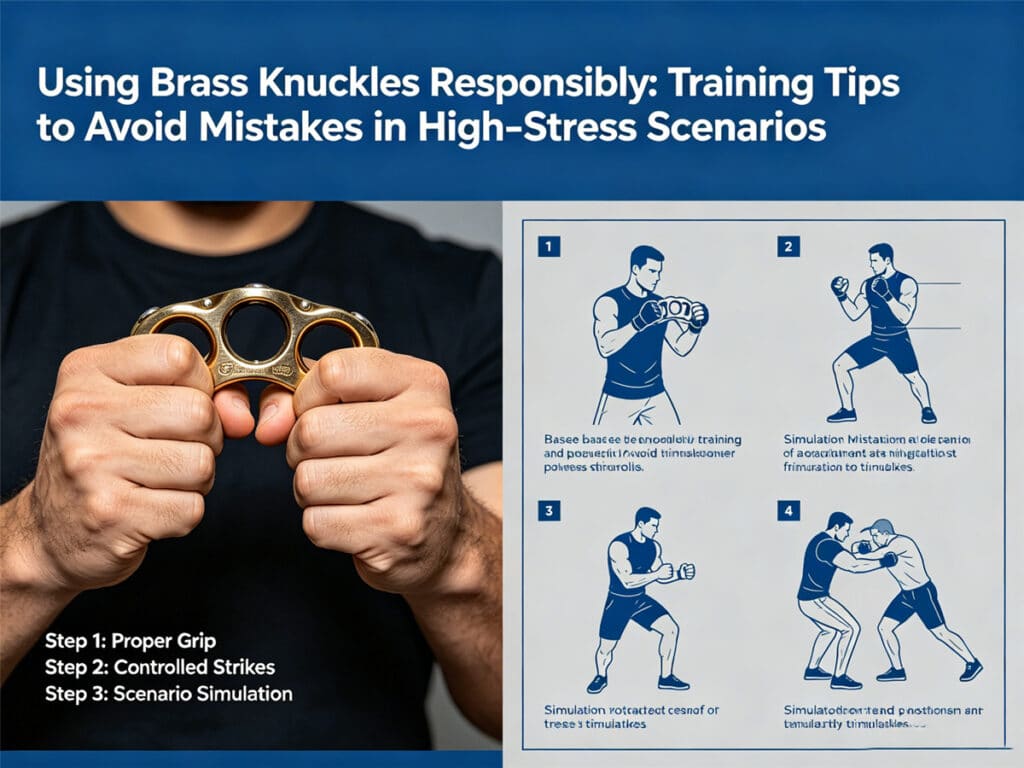
Using Brass Knuckles Responsibly: Training Tips to Avoid Mistakes in High-Stress Scenarios
Using Brass Knuckles Responsibly: Understanding Legal, Safety, and Ethical Considerations
Brass knuckles have been present in popular culture, historical collections, and personal gear discussions for many decades. They are often associated with self-defense, military history, and collectible metalwork. However, they are also heavily regulated or prohibited in many jurisdictions because they are designed to increase the force of a punch and can cause severe injuries.
For anyone interested in learning about brass knuckles, the most important starting point is not tactical use or combat techniques, but rather understanding the legal responsibilities, safety implications, and ethical considerations surrounding their ownership and possession. Whether you are a collector, historian, enthusiast, or simply curious about the subject, a well-informed approach helps avoid unnecessary legal and personal risks.
Understanding What Brass Knuckles Are and Why They Are Regulated
Brass knuckles, sometimes referred to as knuckle weapons or knuckle guards, are handheld devices designed to fit around the fingers and concentrate striking force into a smaller surface area. While historically manufactured from brass, modern versions may be made from steel, aluminum, titanium, polymers, or other materials.
The reason these items receive significant legal attention is straightforward. Their primary design purpose is to increase the impact of a punch, which can dramatically increase the likelihood of serious injury.
Because of this intended function, many governments classify brass knuckles differently from ordinary tools or sporting equipment. In some places, ownership may be legal while carrying them in public is prohibited. In other jurisdictions, both possession and sale may be restricted.
Before purchasing, collecting, transporting, or displaying any brass knuckle product, it is essential to review applicable local, state, provincial, and national laws.
Why Laws Vary Significantly
Different regions assess risk differently. Factors influencing regulations often include:
- Historical crime statistics
- Public safety policies
- Weapon classification systems
- Local law enforcement practices
- Legislative priorities
As a result, what may be legal in one area could be prohibited elsewhere, making legal research a critical responsibility for owners and collectors.
The Importance of Safety Awareness
When discussing any object designed for self-defense or combat purposes, safety awareness should always take priority over practical use discussions.
A common misconception is that ownership automatically provides protection or security. In reality, possessing any weapon-like object introduces additional responsibilities and potential liabilities.
Safety awareness includes:
- Understanding local laws
- Securing items from unauthorized access
- Keeping them away from children
- Preventing misuse by visitors or family members
- Transporting them according to legal requirements
- Recognizing the potential consequences of carrying prohibited items
Responsible ownership begins with acknowledging that the consequences of misuse can extend far beyond physical injury and may involve criminal charges, civil lawsuits, or long-term personal repercussions.
Historical and Cultural Perspectives
Many people become interested in brass knuckles because of their historical significance rather than their practical application.
Military and Historical Connections
Various forms of knuckle-based striking devices appeared throughout history. Some military forces experimented with similar designs during periods when close-quarters combat was more common. Museums and private collections occasionally include examples that demonstrate how such items evolved over time.
Historical interest often focuses on:
- Manufacturing methods
- Material development
- Military artifacts
- Historical conflicts
- Industrial craftsmanship
For collectors, the educational and preservation aspects can be far more meaningful than any modern-day practical considerations.
Popular Culture Influence
Movies, television shows, comic books, and video games have frequently portrayed brass knuckles as symbols of toughness, rebellion, or street fighting culture. While these portrayals may be entertaining, they often oversimplify the real-world legal and safety implications associated with such items.
Separating fictional representations from reality helps create a more informed understanding of their actual place in society.
Ethical Considerations for Collectors and Enthusiasts
Beyond legal compliance, there are ethical questions worth considering.
Responsible enthusiasts often ask themselves:
- Why am I interested in this item?
- Is my interest historical, artistic, or collectible?
- How do I ensure safe storage?
- How can I discuss the subject responsibly?
Collectors frequently appreciate brass knuckles for:
- Metal craftsmanship
- Industrial design
- Historical significance
- Material engineering
- Collectible value
Approaching the subject through these lenses encourages education and preservation rather than glorification of violence.
Many experienced collectors maintain detailed records, display items securely, and prioritize compliance with all applicable regulations.
Common Misconceptions About Self-Defense Tools
One of the most widespread misunderstandings surrounding brass knuckles is the assumption that possessing a weapon automatically increases personal safety.
In reality, personal security involves numerous factors, including:
- Situational awareness
- Avoidance of dangerous environments
- Conflict de-escalation
- Emergency preparedness
- Communication skills
- Understanding local laws
Security professionals often emphasize prevention and avoidance rather than confrontation whenever possible.
The Role of De-Escalation
Many potentially dangerous situations can be resolved through:
- Remaining calm
- Creating distance
- Seeking assistance
- Contacting authorities
- Exiting unsafe environments
These strategies generally carry far less risk than physical confrontations and often produce better outcomes for everyone involved.
Safe Storage and Responsible Ownership Practices
For individuals who legally own collectible brass knuckles, secure storage is an important responsibility.
Best practices may include:
- Locked display cases
- Secure safes
- Restricted access areas
- Documentation of ownership
- Compliance with transportation regulations
Proper storage not only protects valuable collectibles but also reduces the risk of unauthorized access.
Collectors who attend trade shows, exhibitions, or historical events should also verify transportation requirements before traveling, especially when crossing state or national borders.
Looking at the Future of EDC and Collectible Gear
The broader world of everyday carry and collectible equipment continues to evolve as technology, regulations, and consumer interests change. Modern enthusiasts increasingly focus on practical utility items, preparedness tools, and historically significant collectibles rather than objects primarily associated with physical confrontation.
Education remains one of the most valuable aspects of collecting and studying historical gear. Understanding materials, manufacturing techniques, legal frameworks, and historical context provides far greater long-term value than focusing on confrontational uses.
For collectors interested in expanding their knowledge of historical self-defense items, EDC equipment, and metal-crafted collectibles, researching reputable educational resources and collector communities can provide valuable insights. Whether exploring the history of a brass knuckle, studying vintage equipment, or learning about modern EDC trends, informed ownership and responsible behavior should always remain the priority. Additional collectible and enthusiast resources can often be found through specialized communities and websites such as brassknucklesmaster.com, alongside discussions of related gear categories and historical items.