
Dec
Knowledge of Weapons
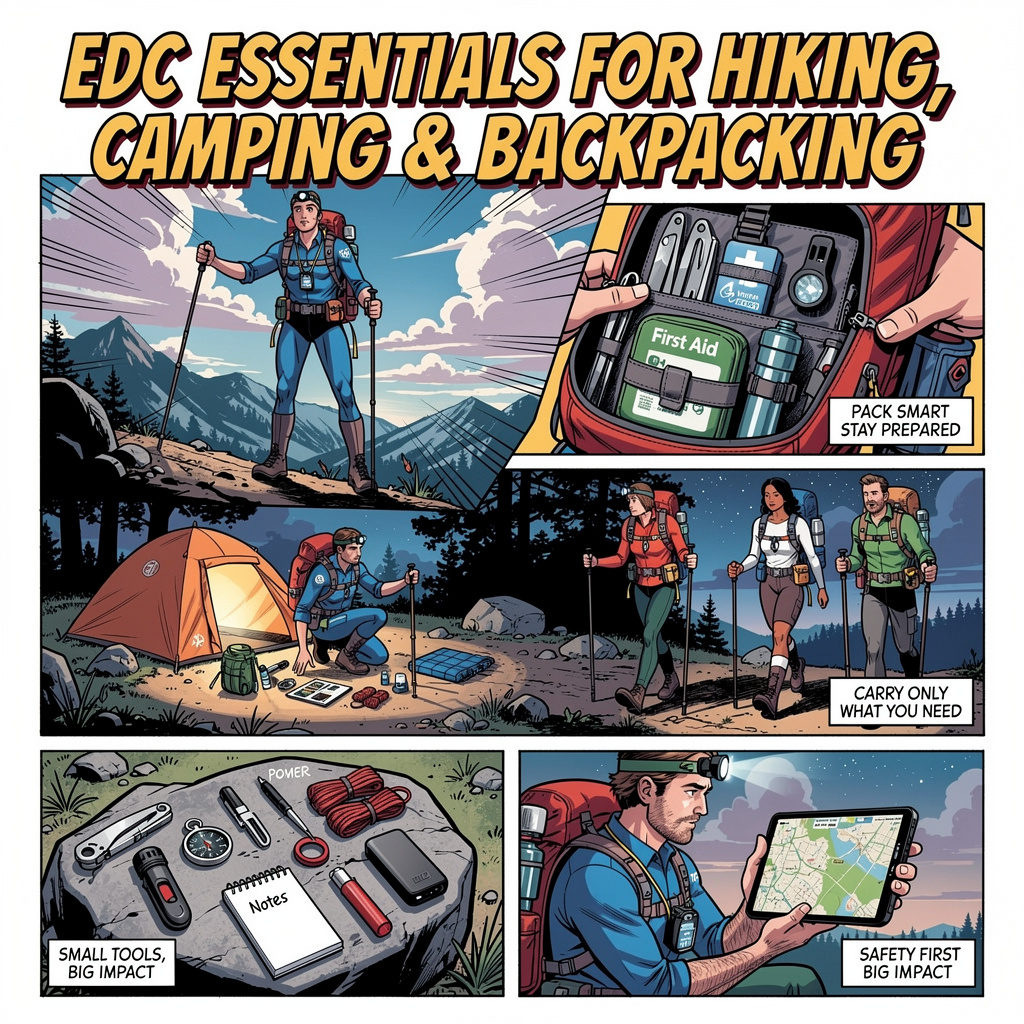
EDC Essentials for Hiking, Camping & Backpacking
Venturing into the wilderness, whether for a day hike, a weekend camping trip, or an extended backpacking expedition, demands more than just enthusiasm; it requires meticulous preparation. Your Everyday Carry (EDC) kit forms the critical foundation of your preparedness, encompassing the small, vital tools you always have on your person to handle common challenges, unexpected emergencies, and the fundamental tasks of outdoor living. Unlike your main pack, which might be left at camp, your EDC items are instantly accessible, providing security and capability the moment you step off the trailhead. This guide delves into the essential categories for a robust wilderness EDC, emphasizing functionality, reliability, and adaptability across diverse terrains and scenarios, ensuring you’re equipped not just to enjoy the outdoors, but to thrive within them safely and confidently.
Foundational Elements – Navigation & Illumination
The cornerstone of any wilderness EDC is the ability to know where you are, where you’re going, and to see clearly when natural light fails. Relying solely on smartphone GPS is a precarious strategy due to battery limitations, signal loss, and potential device damage or failure. Primary navigation must be analog and reliable: a detailed, waterproof topographic map of your specific area, meticulously folded for easy access, paired with a high-quality, baseplate orienteering compass featuring a declination adjustment. Proficiency in using these tools together is non-negotiable; they provide fail-safe guidance independent of technology. Complementing navigation is reliable illumination. A powerful, weather-resistant headlamp with multiple brightness settings (including a low-red light mode to preserve night vision and battery life) is indispensable for hands-free operation during night hiking, camp chores, or emergencies. Always include spare batteries, sealed against moisture, or ensure your headlamp is rechargeable and you carry a compatible power bank. A compact, durable backup flashlight provides redundancy; opt for one with a sturdy clip for attachment to gear or clothing.
Cutting Tools & Fire Starters – The Power to Create and Survive
The ability to cut materials and create fire transcends mere convenience; it’s fundamental to survival, cooking, shelter building, and signaling. Your EDC should include at least one, preferably two, robust cutting tools. A versatile, sharp, and easily accessible folding knife with a locking blade (3-4 inches is often ideal for balance between utility and portability) handles most fine cutting tasks, food preparation, and gear repair. For heavier demands like processing small wood for fires or emergency shelter construction, a small, full-tang fixed-blade knife or a compact, high-quality folding saw offers significantly greater power and durability. Alongside cutting tools, carry redundant fire-starting methods. A classic butane lighter (stored in a waterproof case) is simple and effective, but include a stormproof match kit as a primary backup. For ultimate reliability, especially in wet conditions, add one or two ferrocerium rods (fire steels) with integral strikers – these spark thousands of times and function when soaked, providing a critical lifeline for warmth, water purification, and signaling.
Shelter & Survival – Immediate Protection from the Elements
Exposure to wind, rain, cold, or sun can escalate from discomfort to life-threatening hypothermia or heatstroke with alarming speed. Your EDC kit must contain instantly deployable elements to provide critical emergency shelter and core survival signaling. A compact, ultralight emergency space blanket (preferably the more durable, hooded “bivy sack” style) reflects body heat and provides a vapor barrier against wet ground or wind. Consider upgrading to a slightly larger, reusable emergency bivvy or tube tarp for enhanced protection. Include 25-50 feet of strong paracord or specialized cordage (like Dyneema) for rigging shelters, securing gear, or makeshift repairs. A loud, pea-less safety whistle (signaling effectively over greater distances than the human voice while conserving energy) and a small, high-quality signal mirror (for precise, long-range visual signaling to aircraft or distant rescuers in clear conditions) are vital components of your signaling system, significantly increasing your chances of being located if lost or injured.
First Aid & Repair – Addressing Mishaps and Malfunctions
Minor injuries and equipment failures are inevitable in the outdoors; preparedness means having the means to address them promptly before they evolve into major problems. A customized, compact wilderness first aid kit (FAK) is essential. Move beyond basic adhesive bandages; your EDC FAK should focus on addressing traumatic bleeding, blisters, and common ailments: * Trauma Focus: Include several hemostatic gauze pads (like Celox or QuikClot) and a tourniquet (like a CAT Gen 7 or SOF-T Wide) properly staged for rapid one-handed application – uncontrolled hemorrhage is a leading cause of preventable death outdoors. Add quality adhesive tape (duct tape or medical tape wrapped around a card/lighter) and gauze pads. * Blisters & Wound Care: Multiple sizes of moleskin or pre-cut molefoam, small bandages, alcohol wipes, and antibiotic ointment packets are crucial for foot care and minor wound management. * Medications: Pack personal prescription meds plus essentials like antihistamines (for allergic reactions), NSAIDs (ibuprofen), anti-diarrheal (loperamide), and electrolyte tablets. Complement your FAK with a mini repair kit. This should contain a small roll of tenacious tape (for patching tents, sleeping pads, or clothing), a few safety pins, a needle with strong thread, and possibly a multi-tool (if not already carried separately) with accessible pliers and screwdrivers for gear fixes.
Personal Comfort & Utility – Streamlining Your Wilderness Experience
While survival is paramount, items enhancing comfort, hygiene, and efficiency significantly improve the overall outdoor experience and can prevent minor annoyances from becoming significant issues. Sun protection is critical; include sunscreen (high SPF, travel size) and lip balm with SPF. Basic insect repellent (DEET, picaridin, or oil of lemon eucalyptus) wards off disease-carrying ticks and mosquitoes. A small hygiene kit with biodegradable soap, hand sanitizer, a towel (microfiber), and toilet paper (stored in a waterproof bag) maintains health and comfort. Water purification capability is vital; carry chemical tablets (chlorine dioxide) or a lightweight mechanical filter (straw-style or small squeeze filter) as a backup to your primary water treatment system, ensuring access to safe drinking water from any source. A compact power bank and appropriate charging cable keep essential electronics like your phone (for photos, emergency calls if service exists, or offline maps/apps) and headlamp operational.
Security & Self-Defense Considerations – Awareness and Legal Tools
Personal safety in the wilderness encompasses situational awareness, animal encounters, and, rarely, human threats. While the vast majority of outdoor experiences are safe, preparedness includes considering self-defense options within a strict legal and ethical framework. Situational awareness is your first and best defense: actively observe your surroundings, avoid risky situations, and trust your instincts. Research potential wildlife encounters specific to your region (bears, cougars, moose) and understand recommended deterrents like bear spray – which is highly effective against aggressive animals and requires dedicated training and careful, legally compliant carry. Regarding tools for human threats, the legal landscape is complex and varies drastically by jurisdiction. Brass knuckles are classified as prohibited weapons in most states and many countries, carrying severe felony penalties for possession or carry; relying on them is legally perilous and generally inadvisable. Instead, consider incorporating a tactical pen into your EDC. Constructed from rugged aircraft-grade aluminum or similar materials, a tactic pen functions flawlessly as a writing tool but offers a discreet, impact-resistant point capable of being used defensively in a dire emergency. Crucially, it is legally permissible to carry in most locations where a standard pen is allowed, avoiding the significant legal risks associated with prohibited weapons like brass knuckles. Remember, avoidance and de-escalation are always superior strategies, and any tool’s effectiveness depends entirely on proper training and justified use within the strict confines of the law.
Building Your Personalized System
Assembling your ultimate wilderness EDC is not about carrying every possible item, but about curating a compact, synergistic system tailored to your specific activities, environment, skill level, and legal obligations. Prioritize reliability and redundancy for critical functions (fire, water, navigation, bleeding control). Choose gear that is durable, lightweight, and proven in field conditions. Practice using every item in your kit before you rely on it in an emergency. Regularly review and update your EDC based on trip specifics, seasonal changes, and lessons learned on the trail. By thoughtfully integrating these essential categories – navigation, illumination, cutting/fire, shelter/survival, first aid/repair, comfort/utility, and informed security considerations – you create an indispensable foundation of preparedness, transforming your everyday carry into a powerful ally for safe, confident, and rewarding wilderness adventures.