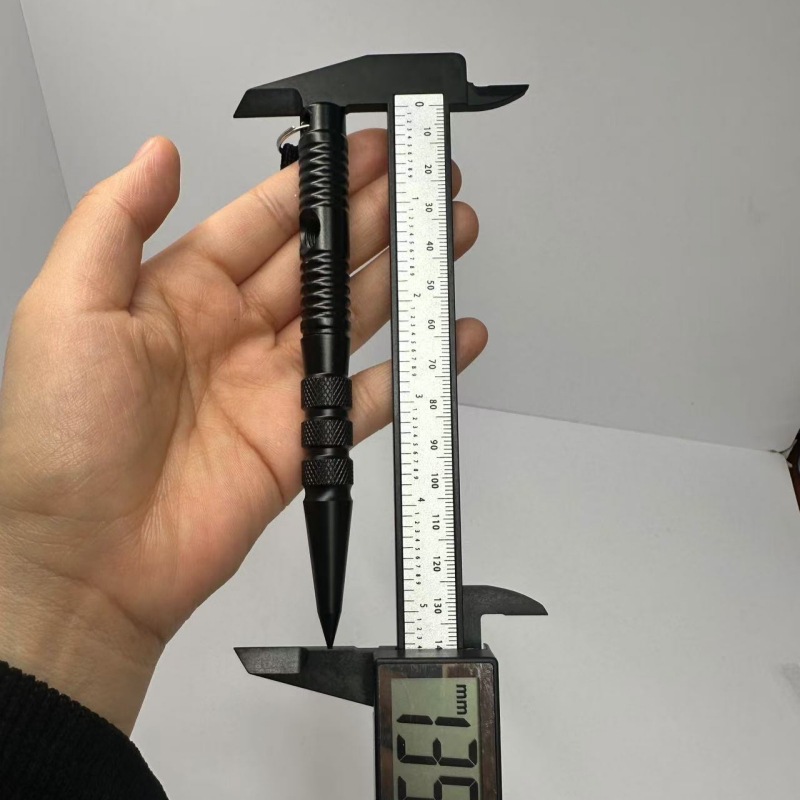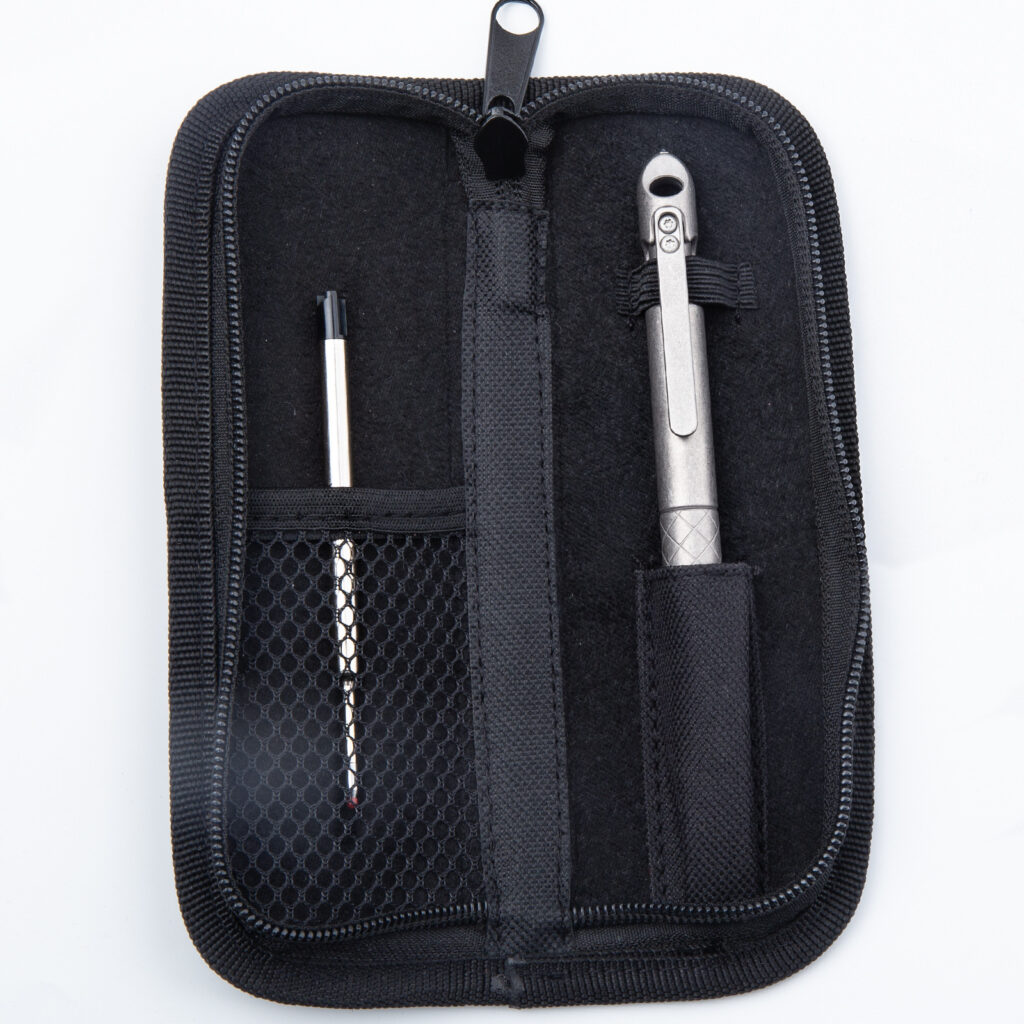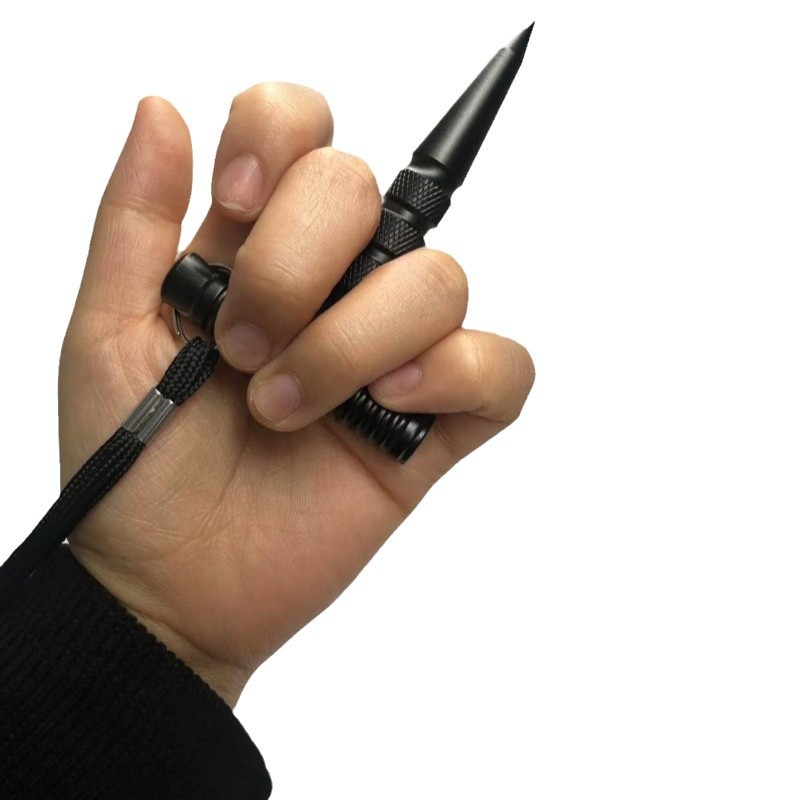
I. Deconstructing the Tactical Pen: Design Elements vs. Child Physiology The modern tactical pen represents a convergence engineering challenge, blending writing functionality with defensive capabilities through specific material and structural choices that create inherent pediatric risks. Unlike standard writing instruments, these devices typically incorporate aircraft-grade aluminum alloy bodies (T6-6061 hardness rating 95 HB) with intentionally sharpened impact […]
Category Archives: Knowledge of Weapons
Gain insights into the Knowledge of Weapons with our detailed guide. Explore weapon types, history, and technological advancements that have shaped military and self-defense practices.
I. Strategic Customization Philosophy: Balancing Aesthetics and Function Tactical pen customization transcends mere decoration, representing a holistic integration of user biomechanics, operational requirements, and personal identity expression through calculated material science interventions. Unlike conventional writing instruments, these modifications demand simultaneous consideration of structural integrity preservation, tactile optimization, and anthropometric alignment, requiring designers to navigate complex trade-offs between decorative depth and […]
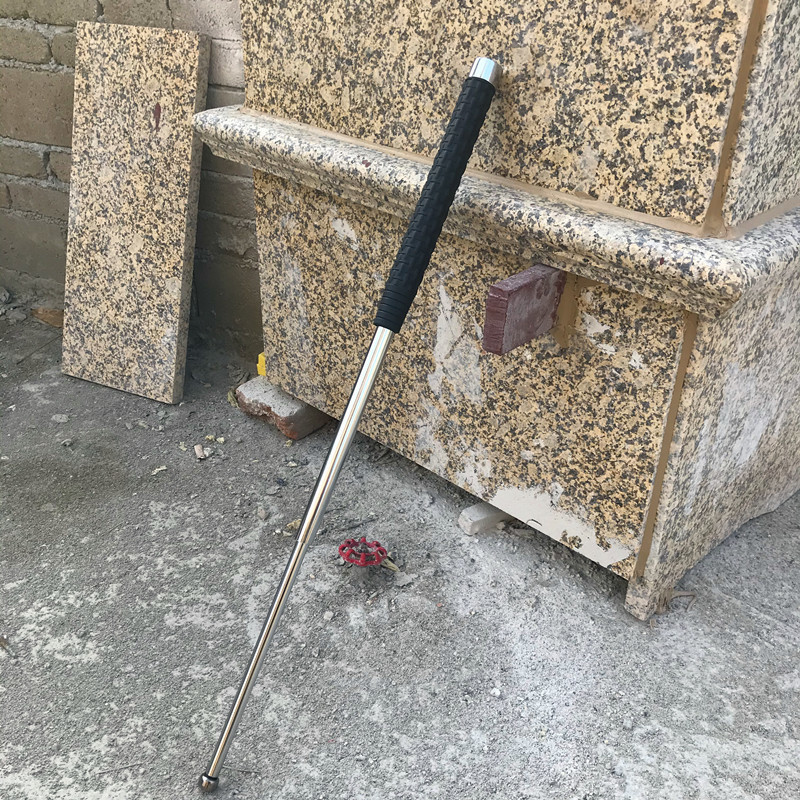
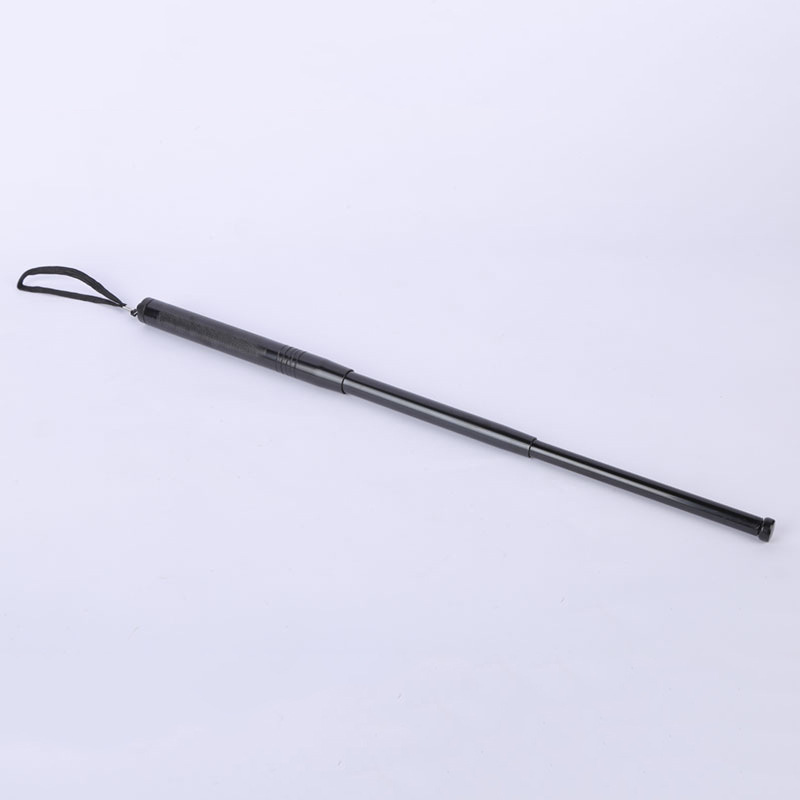
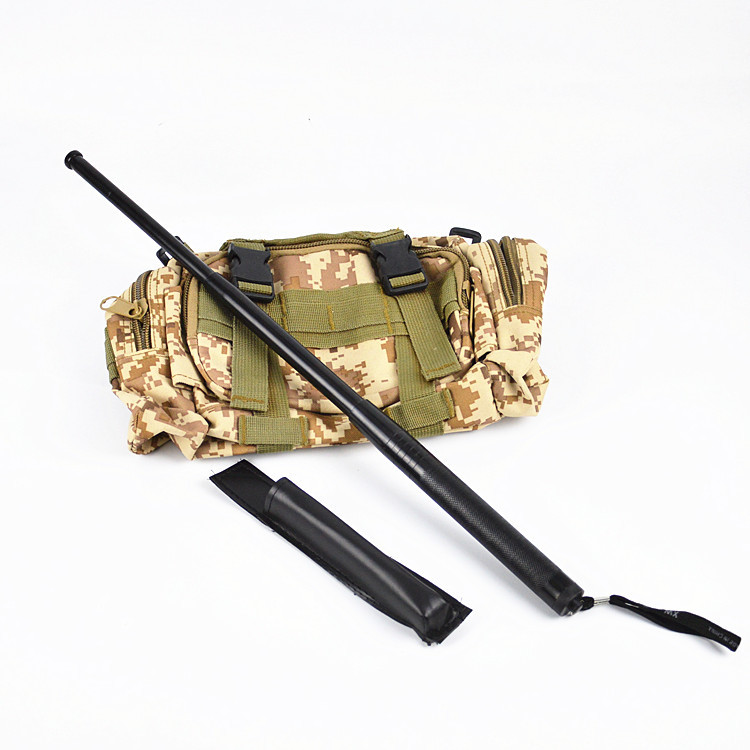
I. Osteological Vulnerability Principles: Energy Transfer Mechanics Expandable batons generate concentrated kinetic forces governed by the energy transfer equation Ek = ½mv2, where velocity exponentially amplifies impact severity. Clinical studies confirm that: A standard 21″ baton swung at 7 m/s (16 mph) by a 75kg user delivers 187 joules – exceeding the fracture threshold for clavicles (140J) and ribs (120J) Impact duration proves critical: […]
I. Precision Disassembly: Systemic Deconstruction Methodology Controlled breakdown precedes all maintenance, requiring specialized tooling and protocols: Inertial Unlocking: Strike the base cap perpendicularly against dense rubber at 1.8-2.2 m/s velocity to overcome friction-locked sections without damaging threads Torque-Regulated Extraction: Apply 0.9-1.3 N·m clockwise rotation using knurled grip wrenches to prevent shaft scoring Component Sequencing: Utilize magnetic sorting trays with labeled sectors […]
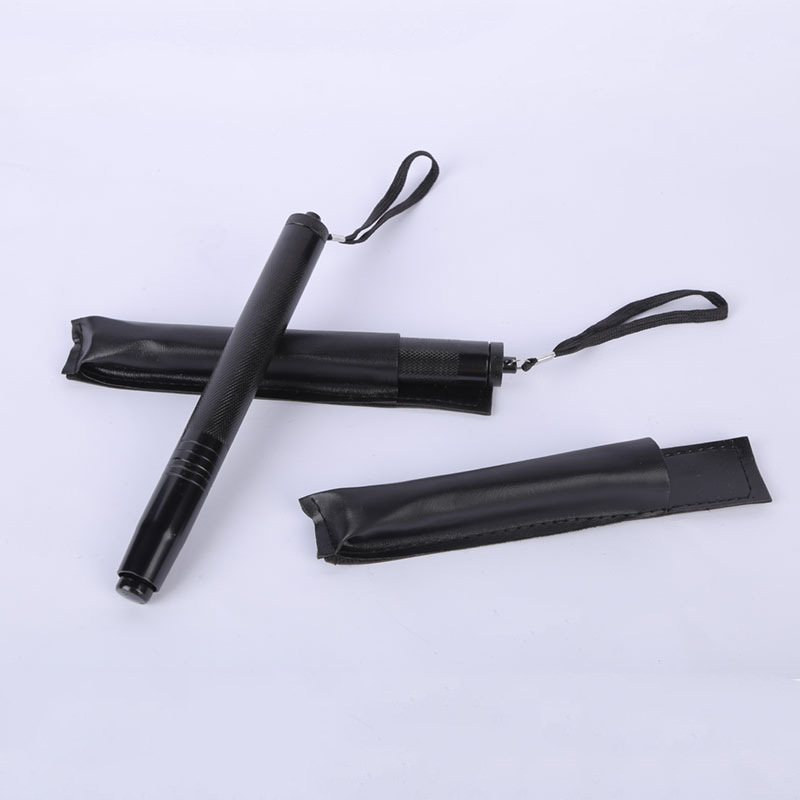
1. Understanding the Nature of Expandable Batons and Why They Raise Questions An expandable baton, also called a telescopic baton or extendable baton, is a compact self-defense tool consisting of multiple telescoping steel or alloy segments that collapse into a small carry length and deploy with a swift flick of the wrist to create a […]
I. Integrated Defense Philosophy: Layered Protection Through Adaptive Tool Ecosystems Modern threat landscapes demand non-linear mitigation strategies where discrete tools operate synergistically across engagement ranges. This bundle creates a continuum of readiness: The pen dominates ultra-close quarters (0-2 ft), the multi-tool manages mechanical obstacles at intermediate distances (2-15 ft), and the combat fan controls spatial dynamics beyond 15 […]
I. Metallurgical Superiority: The Science Behind Surgical-Grade Resilience The foundation of elite tactical pens lies in aerospace-grade stainless steel alloys, specifically engineered to transcend conventional writing instruments. While common pens utilize inexpensive brass or aluminum, premium models deploy marine-certified 316L stainless steel (UNS S31603) or vacuum-remelted 17-4 PH stainless (AMS 5643), achieving Rockwell C40-45 hardness through solution heat treatment and […]
I. Material Science & Structural Integrity: The Foundation of Reliability The core value proposition of a premium tactical pen lies in its advanced metallurgical composition, which must simultaneously ensure writing precision, impact resistance, and corrosion stability. Leading manufacturers utilize aerospace-grade aluminum alloys (7075-T6 or 6061-T6) hardened to Rockwell B80-85 for the barrel, providing a 40% strength-to-weight advantage over standard steel while […]
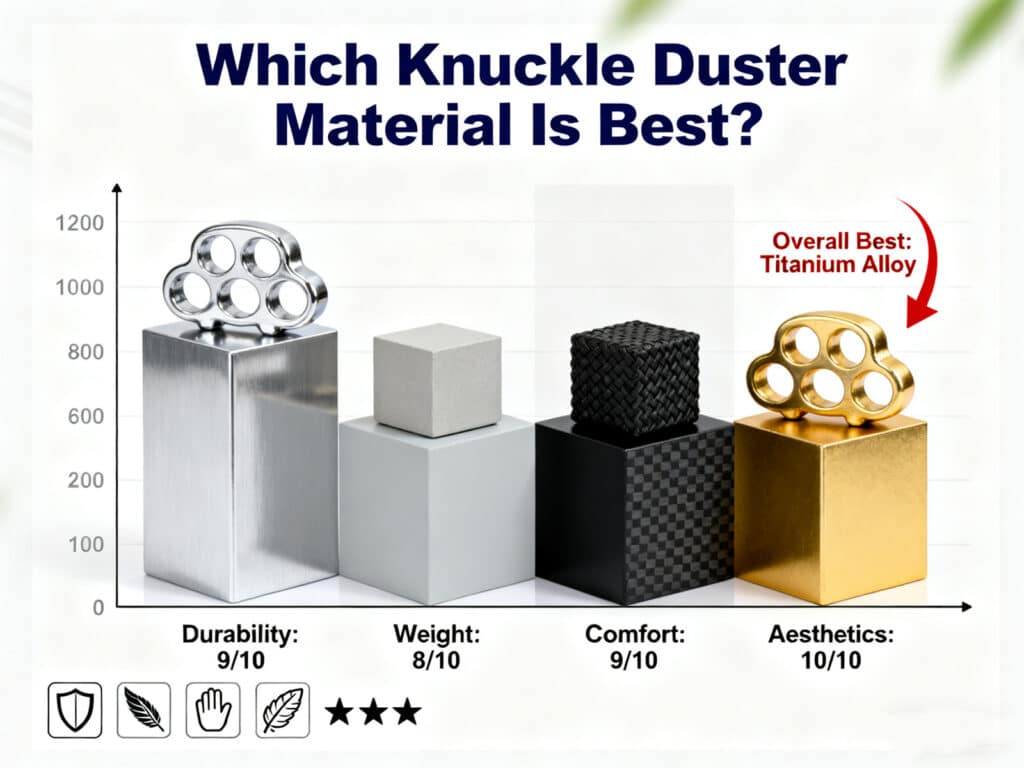
I. Material Science & Metallurgy: The Foundation of Elite Brass Knuckle Durability The efficacy of premium brass knuckles hinges on advanced metallurgical formulations far exceeding historical iron or low-grade alloys. Modern examples utilize naval-grade brass alloys (C46400/C48500), incorporating precise ratios of copper (60-63%), zinc (36.2-39.7%), and trace elements like tin (0.5-1%) or lead (0.2-0.6%). This composition delivers an optimal […]
I. The Modern Urban Defender’s Toolkit: Navigating Complexity with Purpose In an increasingly unpredictable urban landscape, the informed citizen recognizes that preparedness transcends mere vigilance; it demands purposeful tools designed for efficacy within complex environments. Traditional self-defense options often prove impractical for crowded streets, public transit, or confined spaces, creating a critical niche for tactically refined instruments like expandable […]