
Jan
Knowledge of Weapons, Weapons What
Comparing Different Finger Hole Designs on Knuckles
1. The Design Language Behind Finger Hole Geometry
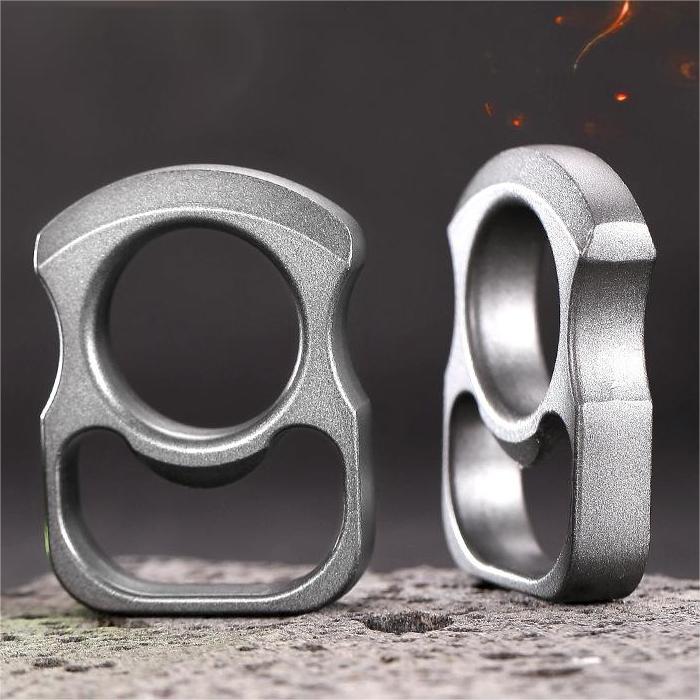
The study of finger hole design on brass knuckles is not merely a discussion about appearance or tradition, but a deeper exploration of ergonomics, mechanical balance, material stress distribution, and user comfort, all of which influence how the object feels in the hand over extended periods of carry or controlled handling. Over time, knuckle designs have evolved from crude, uniform cutouts to more refined geometries that reflect advances in machining precision and a better understanding of hand anatomy. Each variation in finger hole size, spacing, and contour subtly changes how force is distributed across the hand, how pressure points are managed, and how naturally the tool aligns with the user’s grip, making finger hole design one of the most critical yet often misunderstood aspects of knuckle construction.
2. Traditional Round Finger Hole Designs
Among the earliest and most recognizable formats, round finger holes remain a benchmark against which many modern designs are compared.
Uniform Symmetry and Manufacturing Simplicity
Round finger holes are valued for their symmetrical layout, which simplifies manufacturing and ensures consistent structural integrity across the body of the knuckles. This symmetry allows weight to be evenly distributed, reducing weak points that might otherwise develop in more complex designs.
Comfort and Fit Considerations
While round holes offer a familiar feel, their uniform diameter may not accommodate all hand sizes equally, which can lead to pressure concentration on certain fingers. For users with hands outside average dimensions, this can affect long-term comfort and perceived balance during carry.
3. Oval and Ergonomic Finger Hole Variations
As design philosophies advanced, oval and ergonomically contoured finger holes emerged to better reflect the natural shape and movement of the human hand.
Anatomical Alignment
Oval finger holes are designed to follow the natural taper of fingers, providing a more customized fit that reduces unnecessary friction and pressure points. This alignment can make the knuckles feel more integrated with the hand rather than simply resting against it.
Enhanced Carry Experience
Because oval designs often distribute contact more evenly along the finger, they are frequently perceived as more comfortable during extended periods of carry, particularly when paired with smoother interior finishes and rounded edges.
4. Offset and Staggered Finger Hole Layouts
Some modern knuckle designs introduce offset or staggered finger hole arrangements, reflecting a shift toward highly customized ergonomics.
Adaptive Grip Dynamics
Offset finger holes acknowledge that fingers are not perfectly aligned in a straight row, allowing each finger to sit in a position that feels more natural. This design approach can reduce strain on the joints and promote a more relaxed grip posture.
Structural Trade-Offs
While offset designs offer ergonomic benefits, they require careful engineering to maintain structural balance. Poorly executed layouts may introduce uneven stress distribution, making material choice and thickness especially important.
5. Enlarged and Minimalist Finger Hole Designs
Another category focuses on enlarged or minimalist finger holes, prioritizing versatility and ease of access.
Universal Fit Philosophy
Larger finger holes aim to accommodate a wider range of hand sizes, reducing the need for precise sizing. This approach appeals to users who prefer flexibility and ease of handling over a tailored fit.
Impact on Weight and Profile
Enlarged holes reduce overall material mass, which can make the knuckles lighter and more discreet for everyday carry, though designers must balance this against maintaining sufficient strength and durability.
6. Material Interaction With Finger Hole Design
Finger hole geometry cannot be evaluated in isolation from the materials used, as different metals respond differently to shaping and stress.
Metal Flow and Stress Distribution
Materials such as brass, aluminum, and steel each have unique characteristics that influence how finger holes are cut and finished. Thicker walls around finger holes can compensate for softer materials, while harder alloys may allow for slimmer profiles without compromising strength.
Surface Finishing and Edge Treatment
The interior finish of finger holes significantly affects comfort, with polished or chamfered edges reducing friction and minimizing wear over time. High-quality finishing reflects professional craftsmanship and attention to user experience.
7. Design Parallels With Other EDC Tools
Interestingly, the ergonomic principles applied to knuckle finger hole design share similarities with other everyday carry items, including tactical pens, where grip contouring, balance, and hand alignment are equally critical.
Shared Ergonomic Principles
Both tool categories rely on intuitive grip geometry to ensure comfort and control, demonstrating how thoughtful design transcends specific product types and contributes to overall usability.
Cross-Influence in Modern Design
As EDC design continues to evolve, lessons learned from one category often influence another, resulting in more refined, user-centered tools across the board.
8. Appreciating Design Diversity and Craftsmanship
Comparing different finger hole designs on brass knuckles reveals a landscape shaped by tradition, innovation, and evolving ergonomic understanding, where no single design is universally superior, but each serves a specific philosophy and user preference. From classic round holes to anatomically contoured and offset layouts, these variations highlight how subtle geometric decisions can significantly influence comfort, balance, and long-term satisfaction. When viewed alongside other carefully designed EDC tools such as tactical pens, knuckle designs underscore the importance of craftsmanship and thoughtful engineering in everyday carry culture. For those interested in exploring professionally developed designs and learning more about material quality and construction standards, the BKM office website at https://brassknucklesmaster.com/ offers insight into how modern manufacturers approach design refinement with consistency, responsibility, and attention to detail.