
Jan
Weapons How
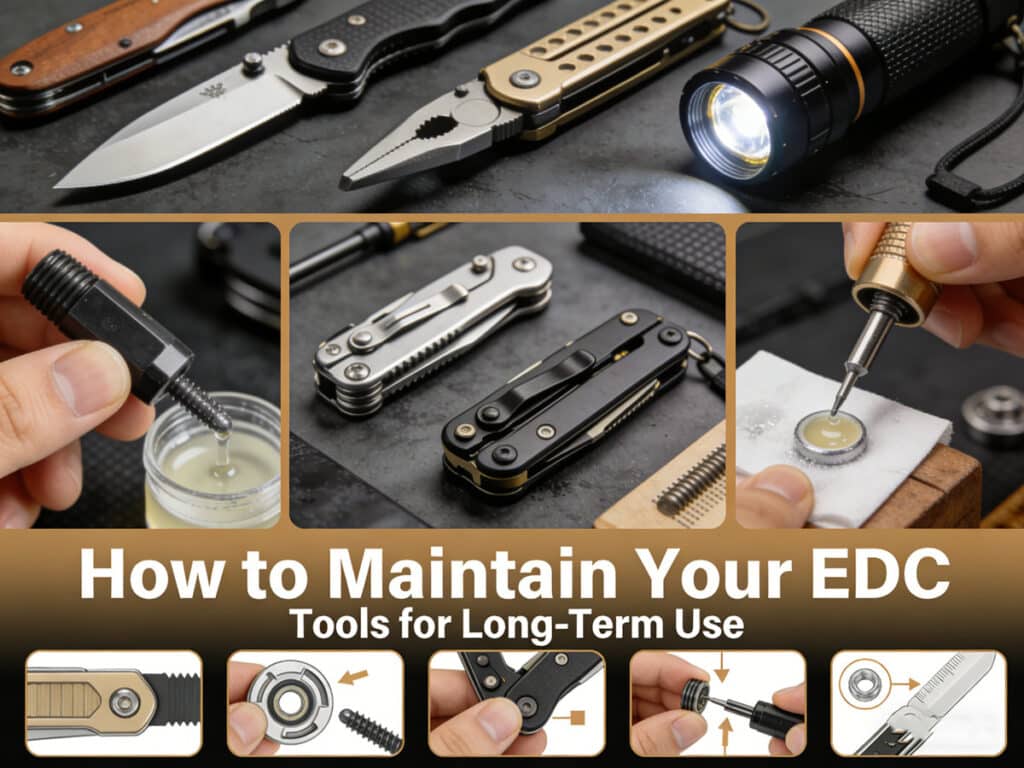
How to Maintain Your EDC Tools for Long-Term Use
1. Understanding the Purpose and Responsibility of Everyday Carry
Everyday carry, often abbreviated as EDC, represents more than a collection of convenient tools; it reflects a mindset built around preparedness, reliability, and personal responsibility, where each item is selected not for novelty but for consistent performance under real-world conditions. Whether your EDC includes simple utility items or more specialized tools such as brass knuckles or tactical pens, long-term usefulness depends heavily on how well those tools are maintained over time. Many people focus on acquisition but overlook upkeep, yet even the highest-quality materials will degrade if ignored, exposed to moisture, debris, or improper storage. Understanding the intended function of each tool is the foundation of maintenance, because care routines should always support safe handling, durability, and lawful ownership rather than careless or reactive use.
2. Knowing Your Materials and Construction
Effective maintenance begins with knowing what your EDC tools are made of, because different materials respond very differently to stress, environmental exposure, and cleaning methods.
Metals, Coatings, and Wear Patterns
Most EDC tools are made from stainless steel, aluminum alloys, brass, or coated composites, each with distinct properties that influence how they age. Stainless steel resists corrosion but still benefits from light lubrication, while aluminum can scratch or oxidize if left unprotected. Tools with protective coatings may hide early signs of wear, making regular inspection essential to prevent unseen damage from spreading.
Moving Versus Fixed Components
Tools with moving parts, such as retractable tips or spring-loaded mechanisms, demand more frequent attention than solid, fixed designs. Dust, pocket lint, and moisture tend to accumulate in these areas, gradually reducing performance unless addressed with careful cleaning and appropriate lubrication.
3. Establishing a Regular Cleaning Routine
One of the most overlooked aspects of EDC maintenance is routine cleaning, which does not need to be complicated but does need to be consistent.
Daily and Weekly Care Habits
Simple habits, such as wiping tools with a dry or lightly oiled cloth at the end of the day, can dramatically extend their lifespan. Weekly inspections allow you to catch early signs of corrosion, loosened fasteners, or surface wear before they become functional problems.
Deep Cleaning When Necessary
Occasionally, tools require deeper cleaning to remove embedded grime or moisture. This should always be done with materials that will not damage finishes or compromise structural integrity, using soft brushes and mild cleaners rather than harsh chemicals.
4. Proper Storage and Environmental Control
How and where EDC tools are stored plays a significant role in their longevity, especially for items carried daily and exposed to fluctuating conditions.
Managing Moisture and Humidity
Moisture is one of the most common causes of premature tool failure, particularly for metal-based EDC items. Even tools designed to resist corrosion can suffer if stored damp or left in enclosed spaces without ventilation. Dry storage environments and occasional airing-out routines help prevent long-term damage.
Avoiding Unnecessary Impact and Friction
Loose storage, such as tossing tools into bags without separation, increases the risk of scratches, dents, and functional misalignment. Using dedicated pockets, sheaths, or organizers minimizes friction and preserves both appearance and performance.
5. Maintenance Considerations for Defensive EDC Tools
Defensive tools require a higher level of attention because their reliability and safety depend on structural integrity and responsible upkeep.
Structural Inspection and Surface Integrity
For solid tools like brass knuckles, regular inspection for cracks, deformation, or stress marks is essential, particularly around finger holes and impact surfaces. Even minor structural flaws can worsen over time if ignored.
Precision and Mechanism Care
Items such as tactical pens often include threaded components, removable caps, or internal mechanisms that must remain aligned and secure. Periodic tightening and gentle lubrication ensure that these features function smoothly without loosening during carry.
6. Legal Awareness and Responsible Ownership
Maintaining EDC tools is not only about physical care but also about staying informed regarding legal considerations that may affect how tools are carried, stored, or transported.
Staying Informed on Local Regulations
Laws governing EDC items vary widely by region, and responsible ownership includes keeping tools compliant with current regulations. Proper storage and maintenance support lawful possession by ensuring tools remain in their intended configuration.
Documentation and Manufacturer Guidance
Retaining manufacturer documentation and following recommended care guidelines can help clarify appropriate maintenance practices and demonstrate responsible ownership if questions arise.
7. Long-Term Preservation and Performance Optimization
Beyond routine care, long-term preservation involves anticipating wear patterns and addressing them proactively to ensure tools remain dependable for years.
Replacing Consumable Components
Some EDC tools include parts that are designed to wear over time, such as clips or internal springs. Replacing these components before failure occurs helps maintain performance and prevents secondary damage.
Balancing Use and Preservation
Tools are meant to be used, but mindful use reduces unnecessary strain. Avoiding misuse or excessive force preserves structural integrity and ensures tools remain ready when genuinely needed.
8. Building a Sustainable EDC Maintenance Mindset
Maintaining your EDC tools for long-term use is ultimately about consistency, awareness, and respect for the role these items play in daily life, whether they serve practical, emergency, or personal preparedness purposes. By understanding materials, establishing cleaning routines, storing tools properly, and maintaining defensive items such as brass knuckles and tactical pens with care and responsibility, users create a system where reliability becomes routine rather than uncertain. Over time, this approach transforms EDC maintenance from an occasional chore into a natural habit that supports safety, performance, and confidence. For those seeking professionally crafted tools and detailed care insights, official resources such as the BKM office website at https://brassknucklesmaster.com/ provide valuable reference points for responsible ownership and long-term maintenance practices grounded in quality and experience.