
Jan
Knowledge of Weapons, Weapons How
How We Ensure Quality Control Across All Our Brass Knuckles
A Commitment to Responsible Craftsmanship and Product Integrity
Quality control is not a marketing phrase for us; it is a disciplined system built on accountability, consistency, and respect for both the product and the customer. When working with items that are compact, durable, and designed for personal carry, even the smallest flaw can undermine performance, safety, or trust. That is why our approach to quality assurance is comprehensive rather than cosmetic, covering every phase from concept evaluation to final inspection, with each step documented, reviewed, and continuously refined.
Rather than treating quality as a single checkpoint at the end of production, we view it as a continuous responsibility shared across design, sourcing, manufacturing oversight, and post-production review. This mindset ensures that every brass knuckle we release reflects not only physical durability, but also ethical manufacturing standards and consistent performance expectations.
Material Selection Standards That Define Reliability
Responsible Sourcing and Traceability
Quality begins long before manufacturing starts, with careful material selection and supplier accountability. We work only with vetted material partners who can demonstrate consistency, traceability, and compliance with agreed specifications. Each batch of raw material is reviewed against predefined acceptance criteria, ensuring uniformity in density, surface integrity, and structural consistency without relying on guesswork or visual inspection alone.
Traceability plays a critical role here, allowing us to link finished products back to their material origins. This practice strengthens accountability across the supply chain and ensures that any anomaly can be isolated and addressed quickly, without compromising unrelated production runs.
Balancing Durability and Practical Design
Material quality is not simply about strength; it is about balance. Products must maintain structural reliability while remaining practical for everyday carry and handling. Our evaluation process therefore focuses on how materials behave under real-world conditions rather than laboratory extremes alone, ensuring that performance remains consistent across varied environments and usage patterns.
Precision Manufacturing Oversight and Process Control
Controlled Production Environments
Manufacturing oversight is built around controlled processes rather than uncontrolled output volume. We emphasize consistency over speed, implementing standardized workflows that minimize variation between units. Each stage of production is monitored to ensure alignment with internal benchmarks, reducing the likelihood of cumulative deviations that could compromise quality.
By maintaining clearly defined production tolerances and enforcing process discipline, we ensure that every unit reflects the same standards, regardless of batch size or production timeline.
Human Expertise Supported by Systematic Checks
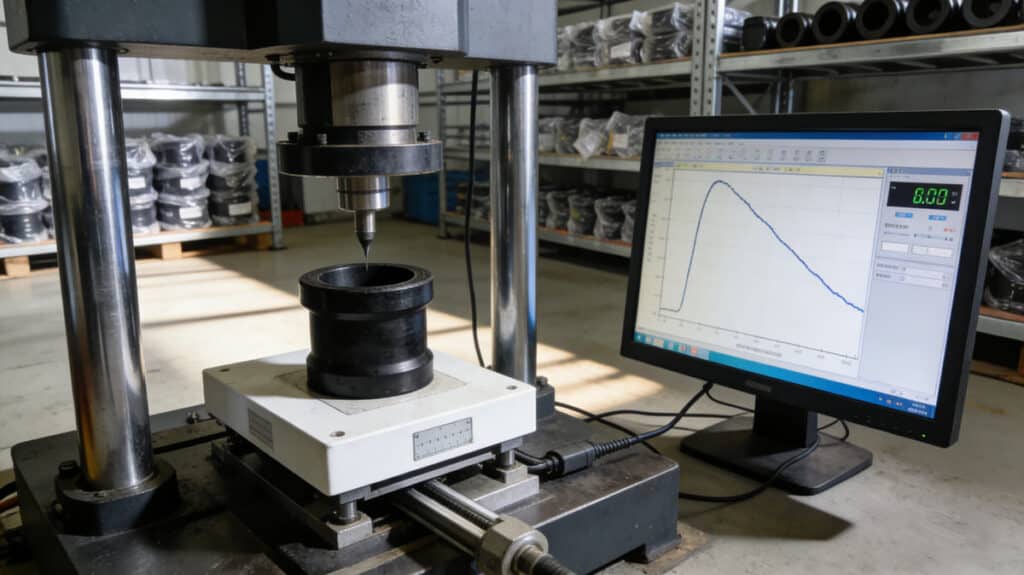
While automation supports efficiency, human expertise remains central to our quality control philosophy. Skilled technicians conduct routine assessments throughout production, identifying subtle issues that automated systems might overlook. These evaluations are not rushed; they are deliberate and structured, reinforcing the idea that quality is a responsibility rather than a task.
Multi-Stage Inspection and Functional Verification
Visual and Structural Evaluation
Inspection is performed at multiple stages, not merely at the final output. Visual assessments focus on surface consistency, symmetry, and finishing quality, while structural checks verify integrity and balance. These inspections ensure that products meet both aesthetic and functional expectations before progressing further.
Each inspection stage serves as a gate, preventing incomplete or inconsistent units from advancing downstream. This layered approach significantly reduces the risk of defects reaching customers.
Functional Consistency Testing
Beyond appearance, functional verification ensures that each item performs as intended under normal handling conditions. This process confirms that the product maintains expected stability and handling characteristics, reinforcing confidence in real-world use. By prioritizing function over appearance alone, we align quality with practical performance.
Compliance, Safety, and Ethical Quality Assurance
Regulatory Awareness and Internal Standards
Quality control also includes regulatory awareness and internal compliance protocols. We monitor relevant standards across different markets and incorporate these considerations into our internal quality benchmarks. Even when regulations vary by region, our internal standards remain consistent, ensuring that quality does not fluctuate based on destination.
This proactive approach allows us to adapt responsibly without compromising our core quality principles.
Ethical Manufacturing Responsibility
Ethics are inseparable from quality. Responsible manufacturing means ensuring that products are developed with awareness of their intended use and potential impact. Our quality control framework therefore includes ethical review considerations, reinforcing responsible production rather than unchecked output.
Continuous Improvement Through Feedback and Data Analysis
Post-Production Review and Feedback Integration
Quality control does not end when a product leaves the facility. Customer feedback, distributor insights, and internal performance data are reviewed regularly to identify patterns, improvements, or emerging concerns. This feedback loop transforms real-world experience into actionable refinement without overreacting to isolated incidents.
Data-driven review allows us to prioritize meaningful improvements rather than cosmetic changes, strengthening long-term reliability.
Process Refinement and Training Updates
When improvement opportunities are identified, they are addressed through updated procedures, enhanced training, or revised inspection criteria. These updates are documented and communicated across teams, ensuring that lessons learned translate into measurable progress rather than remaining theoretical.
Consistency Across Product Lines and Long-Term Trust
Unified Standards Across Different Designs
Whether evaluating compact designs or complementary everyday carry products, our quality standards remain unified. This consistency ensures that customers experience the same level of reliability regardless of form factor or design variation. Products such as a tactical pen benefit from the same disciplined oversight, reinforcing brand-wide confidence.
Building Trust Through Transparency and Discipline
Ultimately, quality control is about trust, earned through repetition rather than promises. By maintaining structured processes, ethical accountability, and continuous improvement, we ensure that every product reflects our commitment to reliability and responsibility. For customers seeking confidence in craftsmanship and consistency, platforms like brassknucklesmaster.com represent not just a product source, but a philosophy where each brass knuckle is treated as a reflection of long-term trust rather than a one-time transaction.