
Jan
History of Weapons
High-Value Tactical Pens Compared: Weight, Grip, Build
1. The Rise of Tactical Pens in Modern Everyday Carry
Over the past decade, tactical pens have evolved from niche accessories into widely recognized components of modern everyday carry systems, valued not only for their discreet appearance but also for the thoughtful engineering that allows them to balance writing functionality, durability, and personal preparedness within a single, compact form. Unlike conventional pens, high-value tactical pens are designed with intent, where every gram of weight, every contour of the grip, and every material choice reflects a purpose rooted in reliability and controlled handling. As EDC culture matures, users increasingly evaluate tactical pens with the same scrutiny applied to other tools, such as multi-tools or even structurally simple items like brass knuckles, focusing less on novelty and more on how design choices affect real-world performance over long-term use.
2. Weight Distribution and Its Impact on Control
Weight is often the first specification users notice when comparing high-value tactical pens, yet its importance extends beyond comfort into balance, control, and usability.
Lightweight Versus Heavier Builds
Lighter tactical pens, often constructed from aluminum alloys, appeal to users who prioritize comfort during extended carry and everyday writing tasks. These pens reduce pocket fatigue and feel unobtrusive, making them ideal for professionals who carry them continuously throughout the day. Heavier pens, typically machined from stainless steel or titanium, offer a more solid feel and increased momentum, which can enhance stability and perceived control during firm grip applications.
Balance Over Absolute Weight
More important than total mass is how that weight is distributed along the pen’s body. Well-balanced tactical pens place weight evenly between the grip area and the tip, allowing smooth transitions between writing and controlled handling. Poor balance, regardless of material quality, can lead to fatigue and reduced precision, especially during prolonged use.
3. Grip Design and Ergonomic Considerations
Grip design is one of the most defining characteristics of a high-value tactical pen, directly influencing comfort, control, and user confidence.
Textured Versus Smooth Grips
Some tactical pens feature aggressive texturing or knurling to enhance grip security, particularly in wet or gloved conditions. While this can improve traction, overly sharp textures may cause discomfort during long writing sessions. In contrast, smoother grips with subtle contouring provide a more refined writing experience while still maintaining adequate control.
Hand Fit and Natural Alignment
Ergonomic grip design considers finger placement, pressure distribution, and natural hand alignment. Pens that accommodate a wide range of hand sizes without forcing awkward finger positions tend to perform better across diverse use cases, reinforcing the idea that thoughtful design often matters more than extreme styling.
4. Build Quality and Material Integrity
The true value of a tactical pen becomes evident over time, as build quality determines how well it withstands repeated use, environmental exposure, and daily carry wear.
Material Selection and Durability
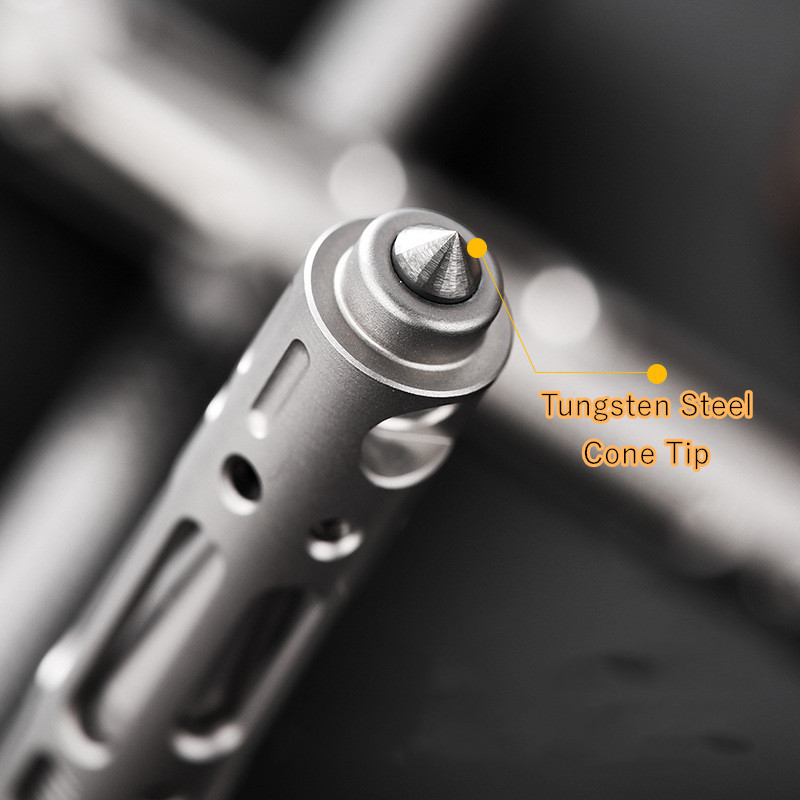
High-value tactical pens commonly use aircraft-grade aluminum, stainless steel, or titanium, each offering different advantages in strength, corrosion resistance, and weight. Precision machining and tight tolerances ensure that threaded components remain secure, preventing loosening or rattling over time.
Finish and Long-Term Wear
Surface finishes, such as anodizing or bead blasting, protect the pen from scratches and oxidation while contributing to overall aesthetics. Quality finishes age gracefully, showing minimal wear even after years of pocket carry, which reflects professional manufacturing standards rather than mass-produced shortcuts.
5. Evaluating Value Within a Broader EDC Philosophy
Comparing high-value tactical pens ultimately requires viewing them within the larger context of everyday carry, where each tool complements the others rather than competing for attention. Just as users evaluate the ergonomics and structure of items like brass knuckles based on comfort, balance, and craftsmanship, tactical pens benefit from the same thoughtful assessment of weight, grip, and build quality. A well-designed tactical pen should feel intuitive in hand, reliable in performance, and durable enough to justify its place in an EDC setup over many years of use. For those seeking professionally crafted designs and deeper insight into quality standards within the EDC space, the BKM office website at https://brassknucklesmaster.com/ provides a valuable reference point for understanding how careful engineering and responsible design elevate everyday tools beyond simple accessories into dependable companions.