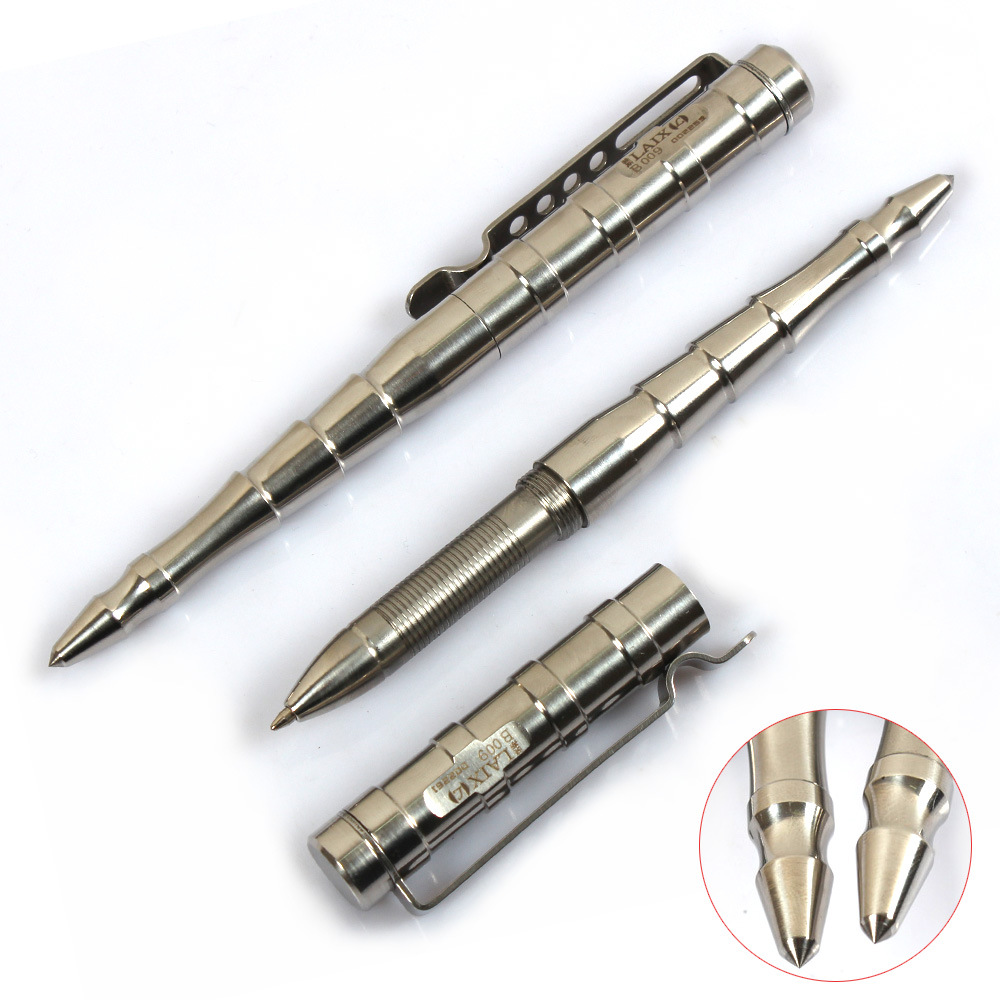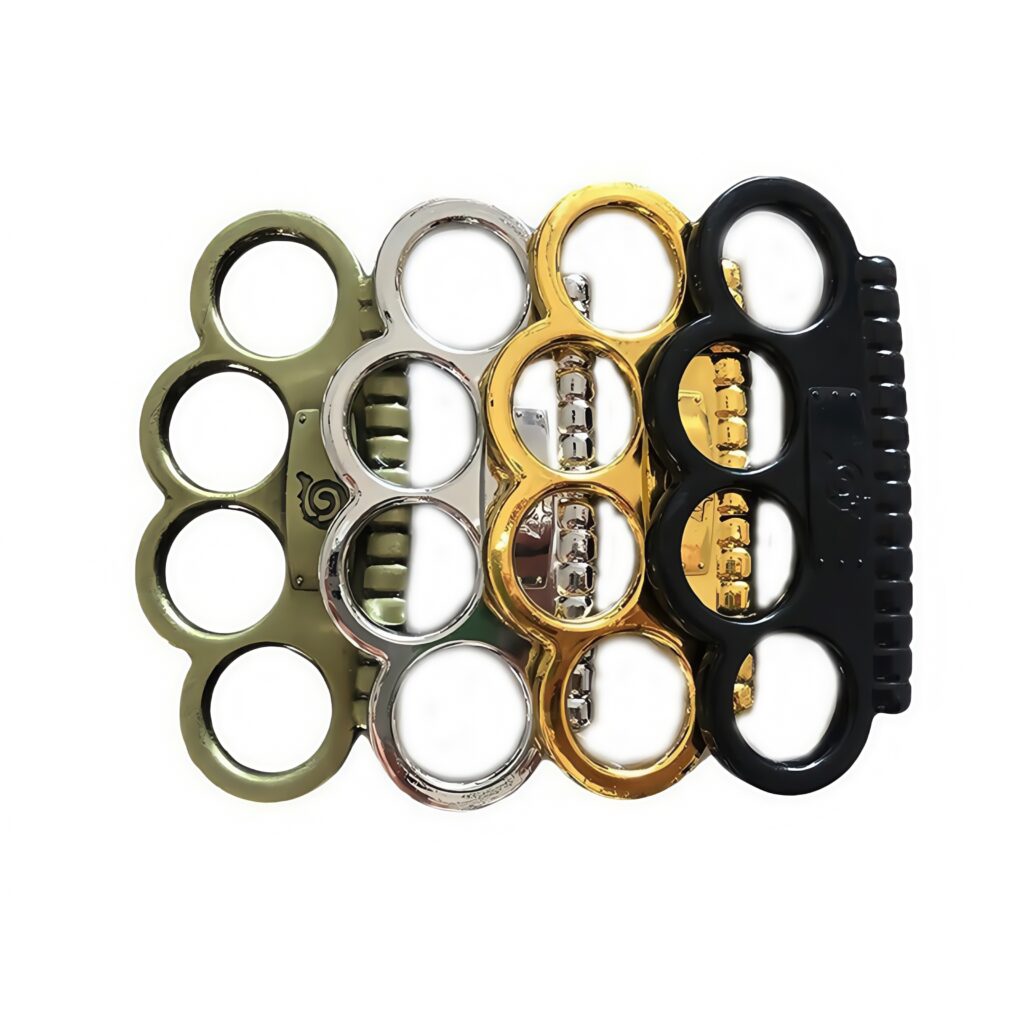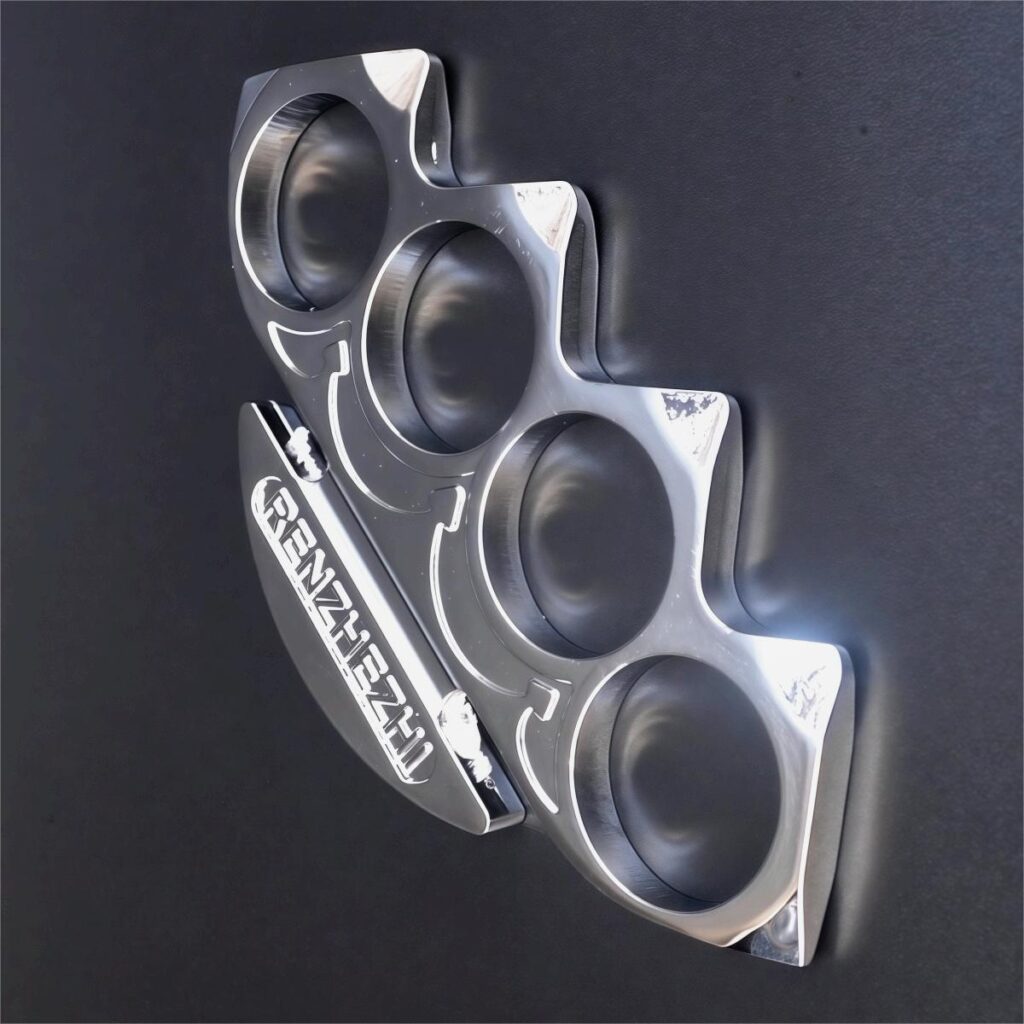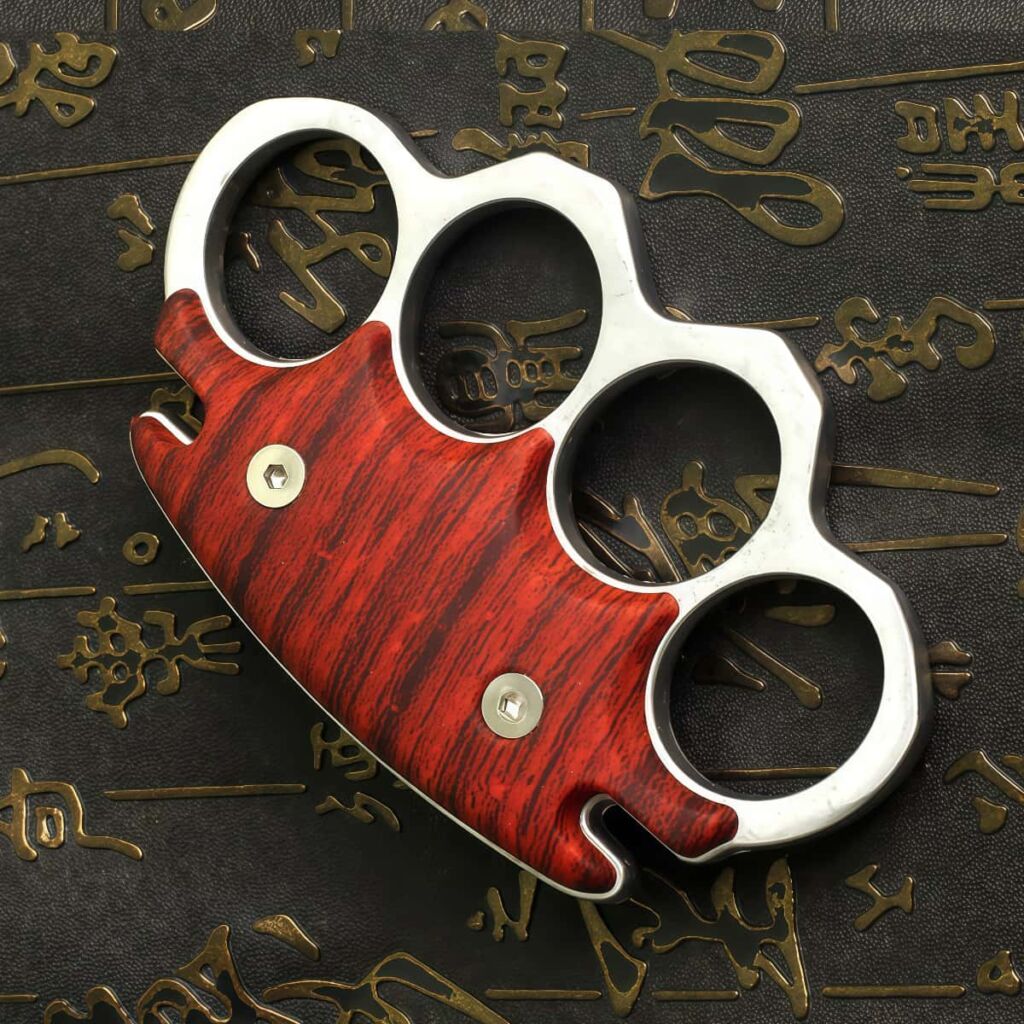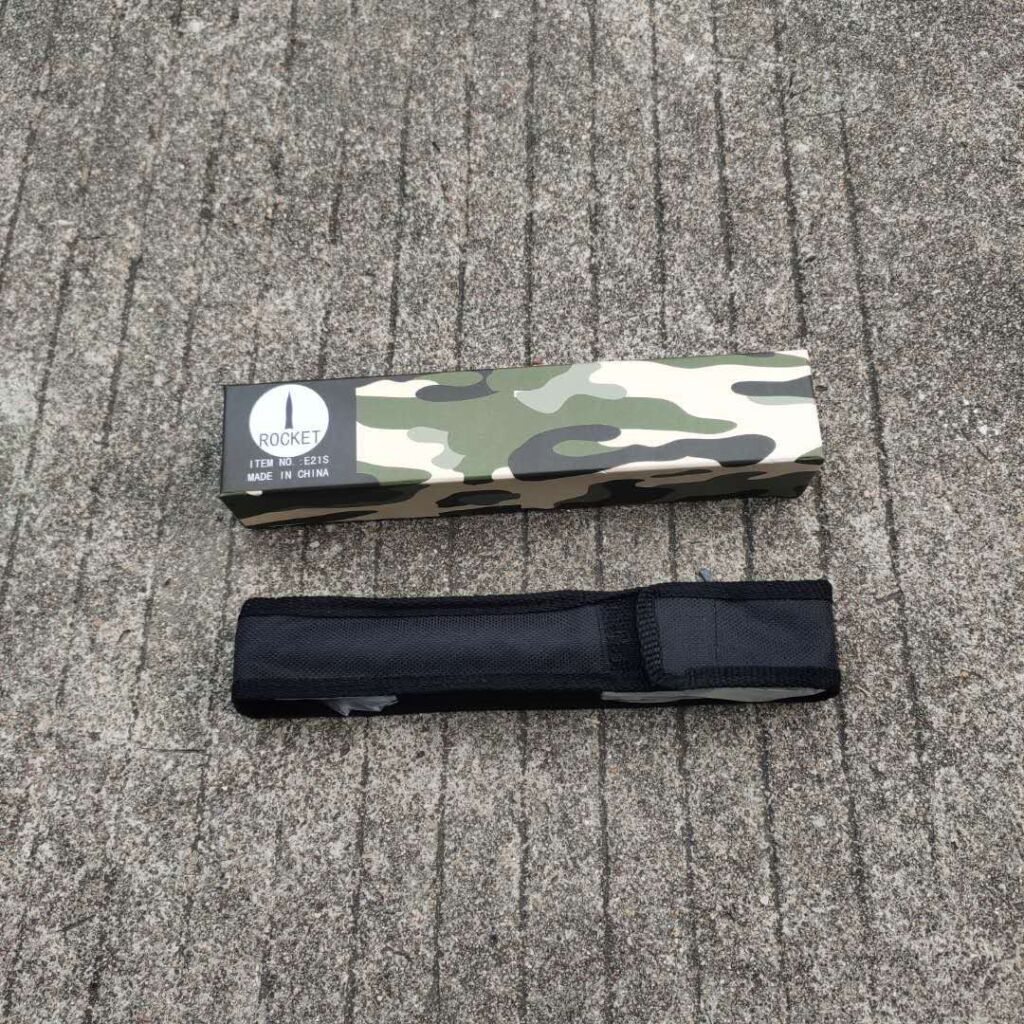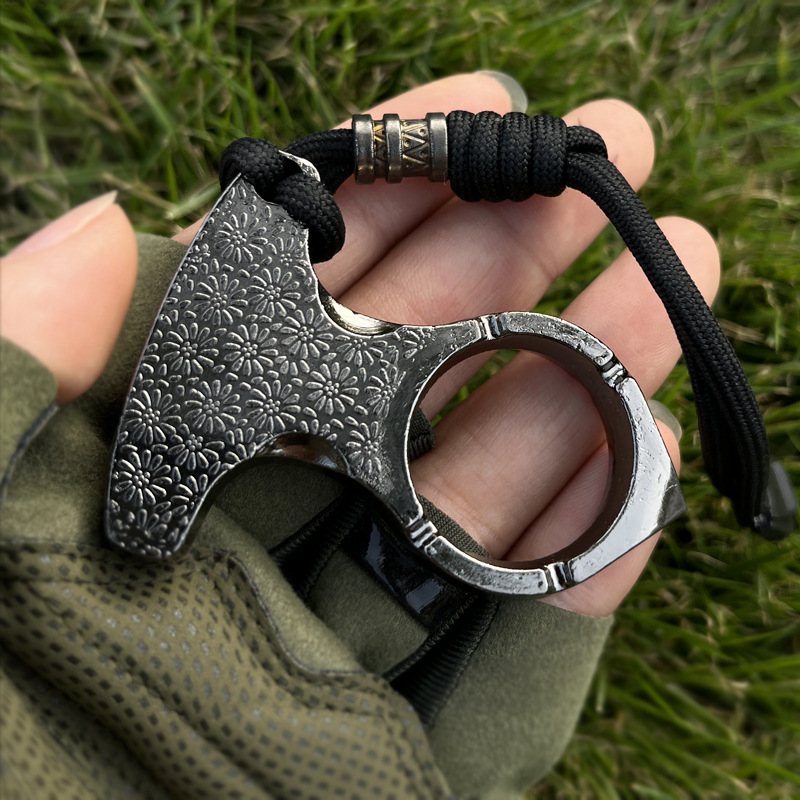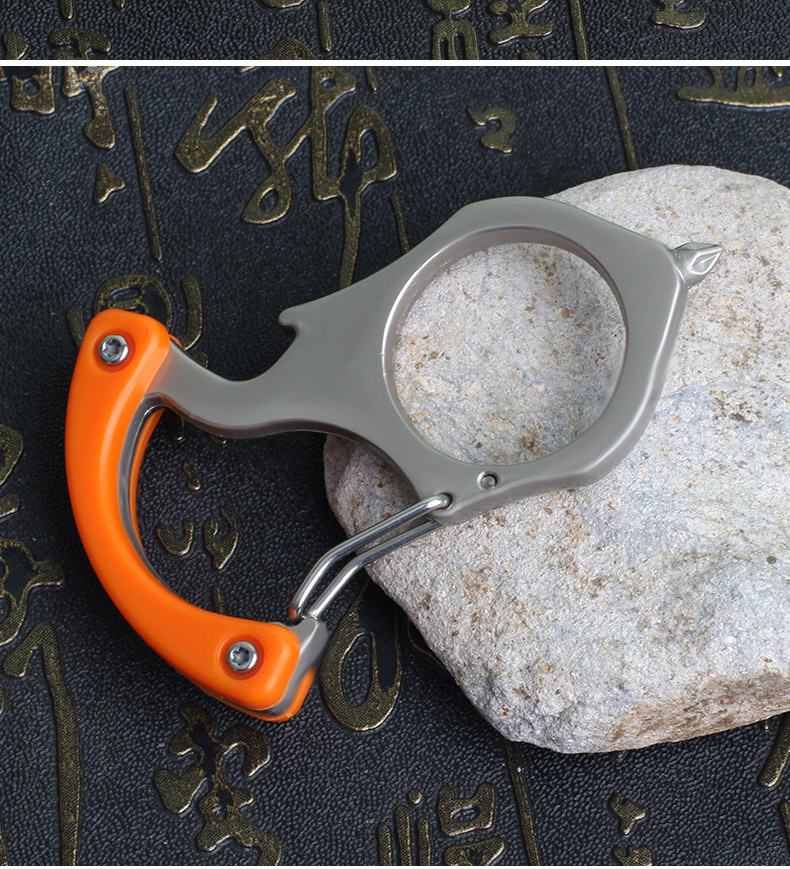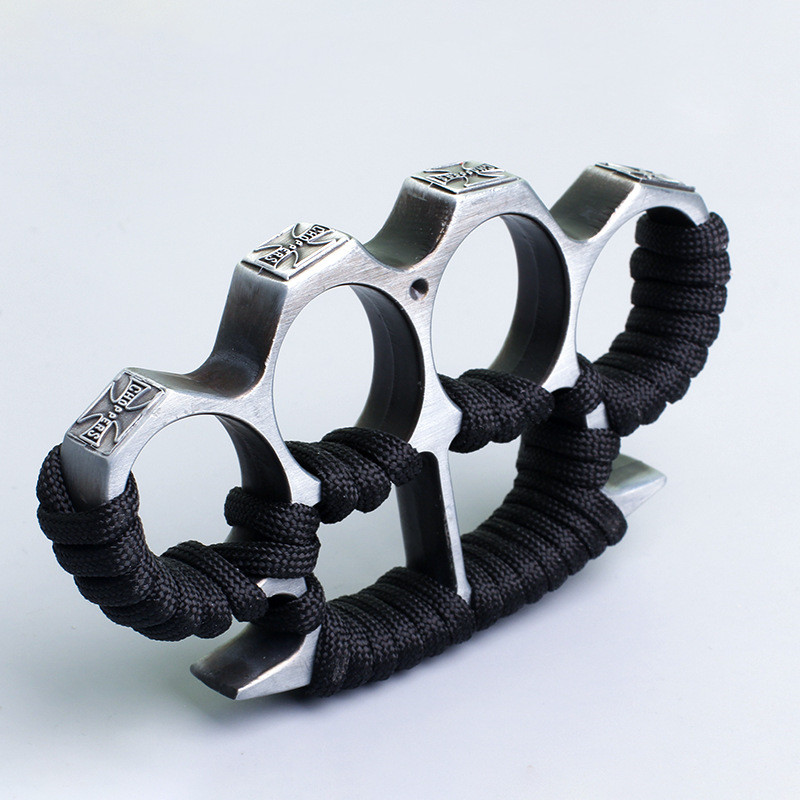
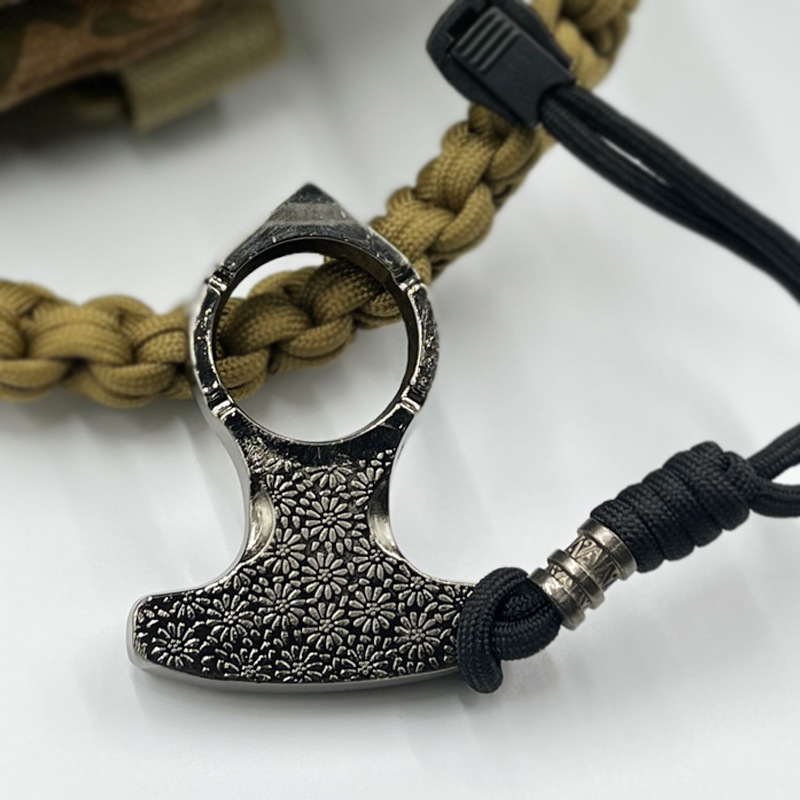
I. Integrated Defense Philosophy: Layered Protection Through Adaptive Tool Ecosystems Modern threat landscapes demand non-linear mitigation strategies where discrete tools operate synergistically across engagement ranges. This bundle creates a continuum of readiness: The pen dominates ultra-close quarters (0-2 ft), the multi-tool manages mechanical obstacles at intermediate distances (2-15 ft), and the combat fan controls spatial dynamics beyond 15 […]
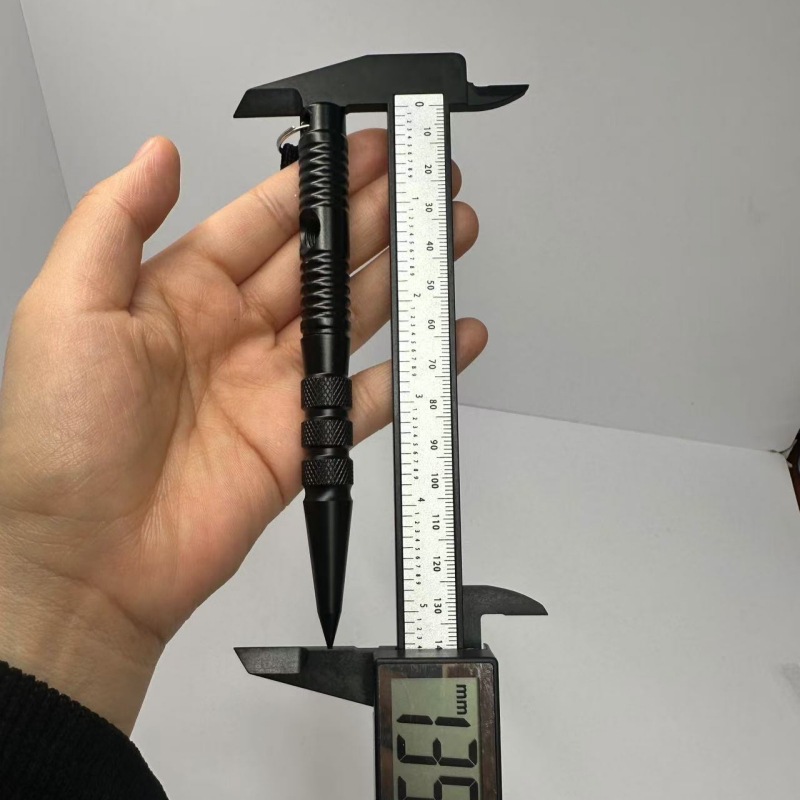
Category Archives: Knowledge of Weapons
Gain insights into the Knowledge of Weapons with our detailed guide. Explore weapon types, history, and technological advancements that have shaped military and self-defense practices.
I. Metallurgical Superiority: The Science Behind Surgical-Grade Resilience The foundation of elite tactical pens lies in aerospace-grade stainless steel alloys, specifically engineered to transcend conventional writing instruments. While common pens utilize inexpensive brass or aluminum, premium models deploy marine-certified 316L stainless steel (UNS S31603) or vacuum-remelted 17-4 PH stainless (AMS 5643), achieving Rockwell C40-45 hardness through solution heat treatment and […]
I. Material Science & Structural Integrity: The Foundation of Reliability The core value proposition of a premium tactical pen lies in its advanced metallurgical composition, which must simultaneously ensure writing precision, impact resistance, and corrosion stability. Leading manufacturers utilize aerospace-grade aluminum alloys (7075-T6 or 6061-T6) hardened to Rockwell B80-85 for the barrel, providing a 40% strength-to-weight advantage over standard steel while […]
I. Material Science & Metallurgy: The Foundation of Elite Brass Knuckle Durability The efficacy of premium brass knuckles hinges on advanced metallurgical formulations far exceeding historical iron or low-grade alloys. Modern examples utilize naval-grade brass alloys (C46400/C48500), incorporating precise ratios of copper (60-63%), zinc (36.2-39.7%), and trace elements like tin (0.5-1%) or lead (0.2-0.6%). This composition delivers an optimal […]
I. The Modern Urban Defender’s Toolkit: Navigating Complexity with Purpose In an increasingly unpredictable urban landscape, the informed citizen recognizes that preparedness transcends mere vigilance; it demands purposeful tools designed for efficacy within complex environments. Traditional self-defense options often prove impractical for crowded streets, public transit, or confined spaces, creating a critical niche for tactically refined instruments like expandable […]
I. The Evolution of Personal Defense: Why Metal Knuckle Dusters Reign Supreme In an era where personal safety is paramount, metal knuckle dusters have emerged as a fusion of historical utility and modern engineering. Originally designed for close combat in the 19th century, these tools have been reimagined to address contemporary security needs. Unlike bulkier alternatives, today’s […]
I. Crisis Response Chronometry: Activation Time Metrics The time-to-protection variable fundamentally dictates survival outcomes, demanding millisecond-level analysis of deployment sequences: A. Cognitive Activation Thresholds Stun Gun Readiness: Average 0.8-second activation from recognition to arc generation (per FBI Officer Survival Training metrics), enabled by single-button operation requiring 3.5lbs pressure. Baton Deployment Latency: Requires 1.4-second median engagement involving: 0.3s grip reorientation 0.6s inertial […]
I. Metallurgical Foundations of Micro-Tool Reliability The paradox of miniature EDC lies in achieving structural integrity at sub-5cm dimensions, demanding radical material innovations validated through destructive testing: A. Advanced Alloy Selection Matrix Material Hardness (HRC) Corrosion Resistance Key Application CPM-S90V Steel 60-62 1000hr salt spray High-wear cutting edges Beta-Titanium TC4 36-40 Nitric acid immune Spring components Maraging […]
I. Metallurgical Mastery: The Science of Pocket-Sized Durability Modern tactical keychain tools demand molecular precision to balance compact dimensions with emergency-ready performance. Through accelerated failure testing (AFT) and finite element analysis (FEA), engineers have optimized alloys for micro-scale resilience: A. Cutting-Edge Steel Alloys 440C Stainless Steel: Maintains 58-60 HRC hardness while resisting saltwater corrosion for 500+ hours (per ASTM […]
I. Material Science Decoded: The Polymer Wars Modern tactical gear survival hinges on molecular architecture, where proprietary polymer blends determine performance ceilings. Our lab subjected fibers to mass spectrometry and accelerated UV degradation cycles to reveal critical insights: A. Nylon vs. Dyneema Composite Fabric (DCF) 500D Cordura Nylon: Survived 4,200+ Martindale abrasion cycles but showed 23% tensile strength […]