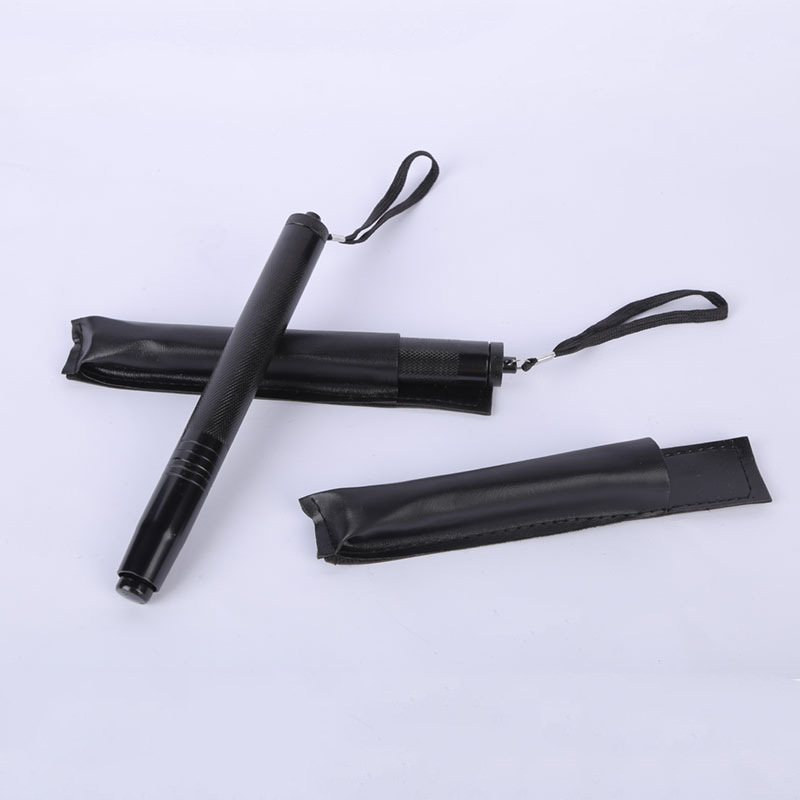
The Complex Legal Framework Governing Expandable Batons Expandable batons—also termed telescopic, collapsible, or tactical batons—occupy a nebulous position in U.S. self-defense law. Unlike firearms, which face clear federal regulations, baton legality hinges on a three-tiered patchwork of federal, state, and local statutes. Federal Oversight: Minimal but Critical No federal law expressly bans civilian expandable baton ownership. However, two key restrictions […]
Category Archives: Knowledge of Weapons
Gain insights into the Knowledge of Weapons with our detailed guide. Explore weapon types, history, and technological advancements that have shaped military and self-defense practices.
1. The Role of Compact Expandable Batons in Modern Self-Defense In 2025, the compact expandable baton remains one of the most discreet yet effective self-defense tools available to civilians, security professionals, and off-duty law enforcement officers, combining a portable form factor with the ability to deliver significant stopping power when deployed correctly, and while laws […]
1. Understanding the Real Thing: What Defines a Genuine Expandable Baton Before you can spot a fake, you must understand exactly what makes a genuine expandable baton stand apart from its counterfeits, and this goes far beyond mere appearance, because a high-quality baton is designed to deliver reliability under stress, combining material strength, precise […]
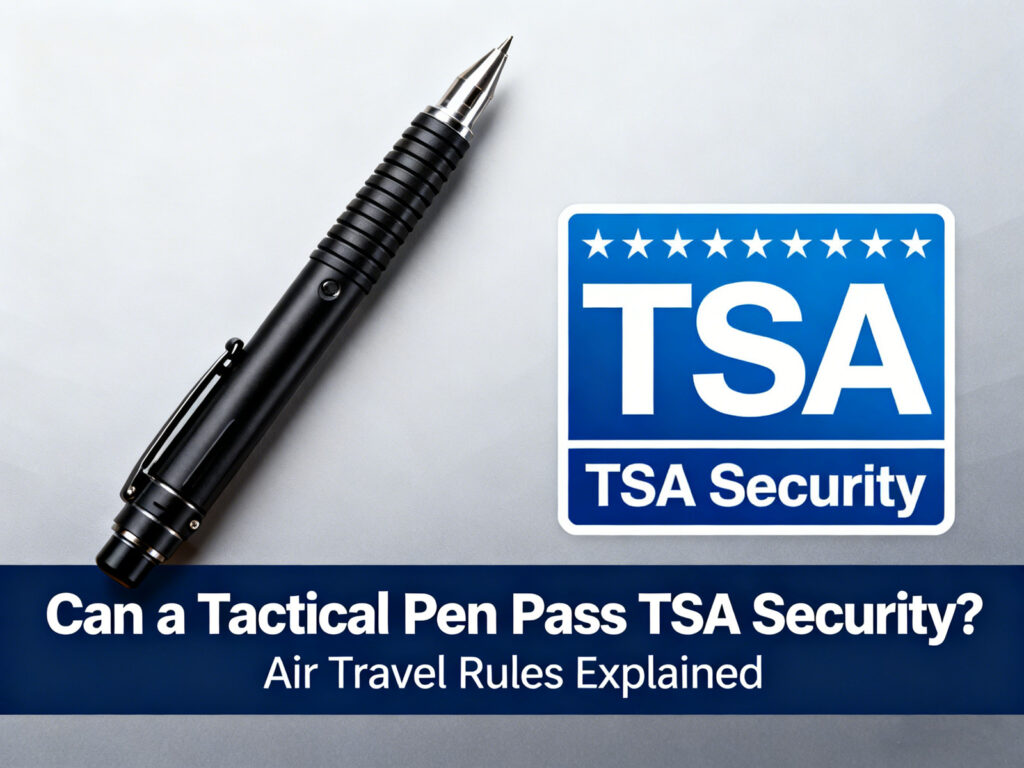
When it comes to everyday carry (EDC) gear, the line between utility and defense is becoming increasingly blurred, and few tools capture this evolution more effectively than the Elite Tactical Pen—a sleek, compact, yet incredibly powerful instrument that combines writing functionality with survival-level toughness. At Brass Knuckles Master (BKM), we believe that preparedness shouldn’t […]
I. Evolution of Covert Carry: From Espionage Origins to Modern EDC The tactical pen’s lineage traces back to OSS operatives in WWII, who modified Parker Duofolds into impact weapons for silent neutralizations. This tradition evolved through Cold War dead drops where KGB nishchiy agents embedded cyanide capsules within Montblanc barrels, transforming writing instruments into covert lifesaving tools. Modern engineering elevates […]
I. Kinetic Physics & Mechanical Principles of Collapsible Batons Understanding expandable baton dynamics requires analysis of energy transfer mechanics and material deformation thresholds. Professional-grade batons (e.g., friction-lock or gas-operated systems) leverage: Impulse-Momentum Theorem: Kinetic energy (KE=½mv²) concentrates at impact; a 16″ baton swung at 8m/s generates 42J energy – sufficient to fracture automotive glass but controlled to minimize permanent injury […]
I. Core Functional Philosophy: Defining Mission-Critical Requirements Selecting an optimal keychain multi-tool begins with rigorous operational analysis that transcends superficial feature counts, demanding systematic evaluation of environmental stressors, frequency of use patterns, and failure consequence thresholds. Professionals must quantify: Task Frequency Matrix: Document daily tool interactions (e.g., package opening: 15±3 instances, fastener adjustment: 2-7 instances) Environmental Extremes: Temperature […]
I. The Sengoku Crucible: Birth of the Warrior’s Fan in Feudal Japan Emerging during Japan’s Warring States period (1467-1615), the tessen (鉄扇) represented a masterful subversion of aristocratic symbolism into lethal utility. Samurai facing buke shohatto (military prohibitions) against carrying weapons in imperial courts ingeniously transformed the ōgi (ceremonial fan) into covert defensive instruments. Historical accounts from the Hōjō Godaiki chronicle reveal how daimyō […]
I. Metallurgical Foundations: Advanced Materials for Extreme Reliability The structural integrity of professional tactical pens begins with aerospace-grade alloys subjected to precision metallurgy far exceeding conventional writing instruments. Unlike consumer pens utilizing Zamak or low-grade aluminum, professional EDC tools employ: Maraging Steel Cores: Vacuum-arc remelted 18Ni (250) steel hardened to 50-54 HRC for impact ends, achieving ultimate […]
I. Fundamental Mechanics: The Physics of Impact Energy Transfer The kinetic energy delivery of an expandable baton is governed by the equation KE = ½mv², where mass (m) and velocity (v) are directly influenced by baton length. Longer batons generate higher terminal velocity during swings (up to 32 m/s in 26″ models) but suffer from increased angular inertia that reduces maneuverability in […]