
Jan
Knowledge of Weapons, Weapons What
Heavyweight vs Lightweight Brass Knuckles: Which Works Better?
1. Understanding Weight as a Design Variable
When people compare heavyweight and lightweight brass knuckles, they often assume that weight alone determines effectiveness, yet professionals and experienced users tend to view weight as one variable within a much broader design conversation that includes ergonomics, control, comfort, and responsible use. Weight influences how an object feels in the hand, how easily it can be carried, and how naturally it integrates into everyday routines, but it does not operate in isolation. A heavier piece may feel reassuring to some users, while a lighter design may encourage consistent carry and better control, which is why understanding what weight actually changes is essential before drawing conclusions.
2. Heavyweight Brass Knuckles: Perceived Strength and Stability
Heavyweight brass knuckles are often associated with durability and solidity, qualities that appeal to users who value a substantial feel and traditional construction.
Material Density and Hand Feel
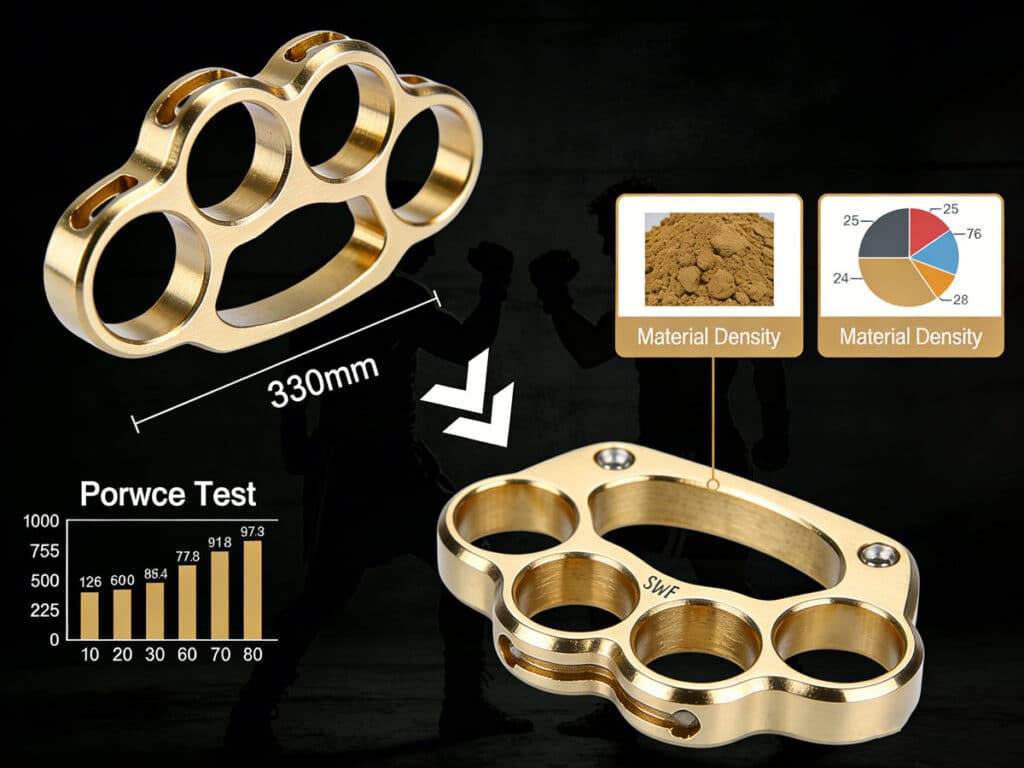
Heavier designs are typically made from solid metals with higher density, which creates a sense of stability when held. This added mass can make the piece feel anchored in the hand, reducing the sensation of flex or vibration during handling. For some users, this physical feedback contributes to confidence and perceived reliability.
Carry Considerations
The downside of added weight becomes apparent during extended carry. Heavier items can feel cumbersome in pockets or small pouches, leading some users to leave them behind more often. From a practical perspective, a tool that is not carried consistently offers limited value, regardless of its build quality.
3. Lightweight Brass Knuckles: Comfort and Consistency
Lightweight brass knuckles represent a more modern approach, emphasizing portability and ease of integration into daily life.
Ease of Carry and Accessibility
Lighter designs are easier to carry discreetly and comfortably, especially for users who prioritize minimalism or already carry multiple everyday items. Reduced weight can encourage consistent carry, which many professionals consider more important than marginal differences in physical presence.
Control and Handling
A lighter tool often allows for quicker adjustment in the hand and reduced fatigue during extended handling. This can translate into better control and predictability, particularly for users with smaller hands or those who value comfort over heft.
4. Ergonomics Matter More Than Mass
One of the most overlooked aspects of the heavyweight versus lightweight debate is ergonomics, which often has a greater impact on usability than weight alone.
Finger Hole Design and Fit
Poorly sized finger holes can create discomfort regardless of weight, while well-designed openings distribute pressure evenly and support natural hand alignment. A lightweight design with excellent ergonomics may feel more secure and controllable than a heavier piece with awkward proportions.
Balance and Weight Distribution
Even within the same weight category, balance plays a critical role. A well-balanced heavyweight design can feel manageable, while a poorly balanced lightweight option may feel unstable. Professionals often emphasize balance over total mass when evaluating tools.
5. Materials, Finish, and Long-Term Wear
Weight is closely tied to material choice, which influences how a piece ages and performs over time.
Durability and Surface Wear
Heavier brass knuckles often develop a patina that reflects long-term use, which some users appreciate for its character. Lightweight designs may use different alloys or finishing techniques that resist wear and maintain a cleaner appearance over time.
Maintenance Expectations
Lighter materials may require less maintenance due to corrosion resistance or protective coatings, while heavier, traditional metals may need occasional care to preserve finish and comfort.
6. Legal and Lifestyle Context
Beyond physical characteristics, users must consider how weight interacts with legality and daily lifestyle.
Discretion and Public Environments
In many regions, discretion is essential, and lighter, lower-profile designs tend to attract less attention during carry. This practical reality influences why many users gravitate toward compact, lightweight options.
Responsible Ownership
Professionals consistently stress that understanding local regulations and using tools responsibly is more important than choosing between weight categories. A well-informed user will always prioritize legality and context over perceived advantage.
7. Choosing What Works Best for You
Ultimately, the question of heavyweight versus lightweight brass knuckles does not have a universal answer, because effectiveness depends on how well the design aligns with the user’s needs, habits, and expectations. Some users prefer the traditional feel of heavier pieces, while others value the comfort and accessibility of lighter designs, and both perspectives are valid when grounded in thoughtful evaluation. Variations such as One-Finger Brass Knuckles, Two-Finger Brass Knuckles, and Four-Finger Brass Knuckles further demonstrate that fit and form often matter more than raw weight, while jewelry-inspired options like the Brass Knuckle Ring highlight how design intent can shift focus toward symbolism and wearability. By looking beyond simple weight comparisons and considering ergonomics, carry habits, and personal context, users can make informed choices that feel natural, responsible, and sustainable over time.