
Feb
Knowledge of Weapons, Weapons Why
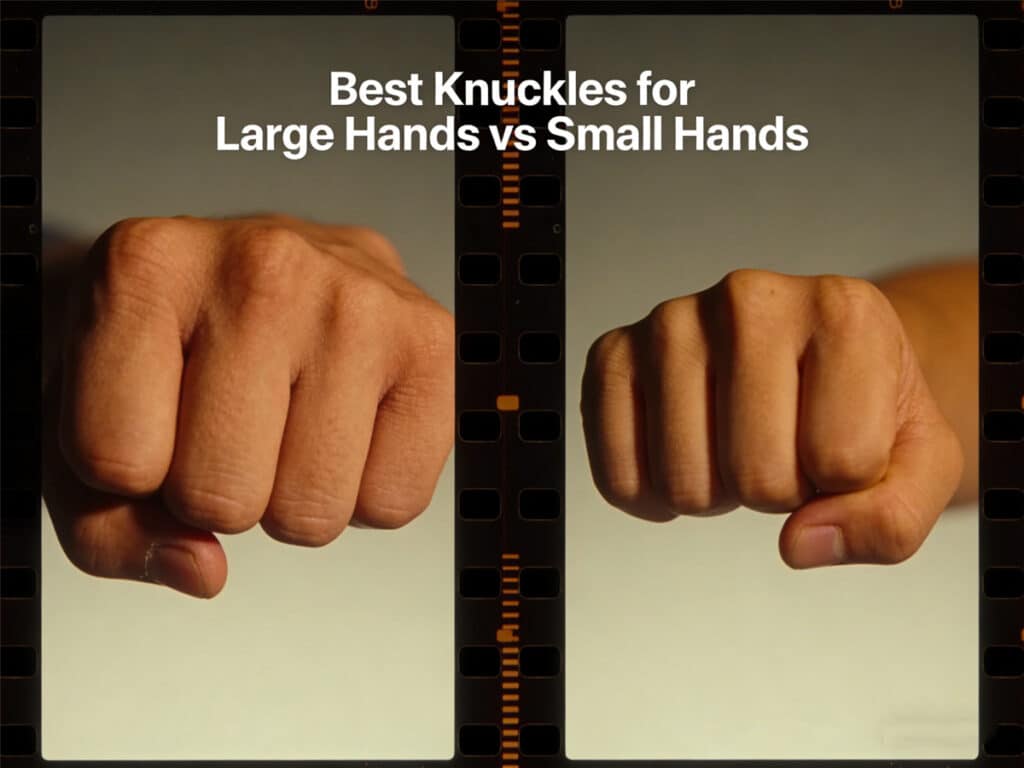
Best Knuckles for Large Hands vs Small Hands
Choosing the right knuckles is not simply a matter of aesthetics or brand preference. Hand size plays a critical role in comfort, control, safety, and overall effectiveness, yet it is one of the most overlooked factors when people make a purchase. What feels solid and balanced in one person’s hand can feel cramped, awkward, or even unsafe in another’s. Understanding the differences between knuckles designed for large hands versus small hands helps buyers avoid discomfort, improve grip stability, and get real value from their purchase.
This guide breaks down those differences in detail, explaining what to look for, what to avoid, and how proper sizing changes the entire experience.
Why Hand Size Matters More Than Most People Think
Hand size directly affects how knuckles align with your fingers, how evenly pressure is distributed, and how confidently the item can be held during use. A mismatch between hand size and knuckle dimensions often results in pinching, uneven weight distribution, or poor finger alignment, all of which reduce control.
For people with larger hands, knuckles that are too small can dig into the palm, restrict finger movement, and feel unstable. On the other hand, individuals with smaller hands often struggle with oversized knuckles that feel bulky, heavy, and difficult to position correctly. In both cases, improper sizing undermines the purpose of the item.
Comfort is not about softness but about fit. When knuckles fit properly, they become an extension of the hand rather than an object being forced into it.
Finger Hole Diameter and Spacing
Finger hole size is one of the most important factors to evaluate. Larger hands require wider holes with more spacing to prevent pressure points and restricted circulation. Smaller hands benefit from tighter spacing that allows for a secure grip without overextending the fingers.
Ignoring this detail often leads to buyer dissatisfaction, even when the product itself is well made.
Best Knuckle Features for Large Hands
People with large hands should prioritize knuckles that offer generous spacing, thicker frames, and balanced weight. These features ensure that the knuckles sit naturally across the fingers rather than feeling compressed or unstable.
Oversized hands often generate more grip strength, which means the knuckles must be able to handle that force without shifting or creating discomfort. Products designed with larger proportions tend to distribute pressure more evenly across the palm and fingers.
Structural Thickness and Weight Balance
Heavier, thicker knuckles tend to suit large hands better, as they provide a solid feel without seeming oversized. When weight is evenly distributed, the knuckles feel controlled rather than cumbersome, which is essential for confident handling.
However, heavier does not automatically mean better. The key is balance. Knuckles that are too heavy in one area can fatigue the hand quickly, even for larger users.
Palm Clearance and Ergonomic Curves
Large hands benefit from designs that offer sufficient palm clearance, preventing the knuckles from pressing awkwardly into the center of the hand. Subtle ergonomic curves can make a significant difference, allowing the hand to close naturally without strain.
Best Knuckle Features for Small Hands
For smaller hands, precision and proportion matter more than mass. Knuckles designed for compact hands focus on streamlined profiles, reduced spacing, and lighter overall weight, making them easier to control and more comfortable to hold.
Small-handed users often struggle with knuckles that feel oversized or unbalanced, which can lead to slipping or awkward finger positioning. Proper sizing solves these issues immediately.
Compact Design Without Compromising Strength
Smaller knuckles do not need to sacrifice durability. High-quality compact designs use strong materials and smart construction to maintain integrity while keeping dimensions manageable. The result is a secure grip that feels natural rather than forced.
Grip Security and Finger Alignment
Tighter finger hole spacing improves grip security for smaller hands, reducing the chance of shifting during use. When fingers align properly, the knuckles feel more stable, which increases confidence and reduces fatigue.
Material Choices and How They Affect Fit
Material selection plays a significant role in how knuckles feel, regardless of hand size. Different materials influence weight, temperature, texture, and overall balance, all of which affect comfort and usability.
Metal knuckles tend to feel cooler and heavier, while composite materials may offer lighter weight and smoother finishes. The right choice depends on hand size, grip strength, and personal preference.
Surface Finish and Edge Design
Smooth finishes with rounded edges are especially important for smaller hands, where pressure points are felt more quickly. Larger hands may tolerate sharper lines better, but comfort should never be compromised.
Poor finishing can make even well-sized knuckles uncomfortable, so attention to detail matters just as much as dimensions.
Common Sizing Mistakes Buyers Make
One of the most common mistakes is assuming that all knuckles are universal in size. This misconception leads many buyers to choose based on appearance alone, ignoring measurements and specifications.
Another frequent error is prioritizing weight over fit. While weight can add a sense of solidity, improper sizing negates any perceived advantage. Buyers should always consider how the knuckles will sit on their hand during extended handling, not just how they look in photos.
Ignoring Finger Length and Hand Width
Hand size is not just about palm width. Finger length and spacing vary significantly, and these differences affect how knuckles fit. Taking basic measurements before purchasing can prevent costly mistakes and frustration.
Choosing What Works for You Long Term
The best knuckles are the ones that feel natural, balanced, and secure in your hand from the moment you pick them up. Large hands and small hands have different needs, but both benefit from thoughtful design and proper sizing.
In the end, choosing the right fit is about understanding your own hand rather than following trends or assumptions. Whether someone prefers a discreet everyday option like a tactical pen or a more traditional self-defense tool such as a brass knuckle, comfort, control, and confidence should always guide the decision, ensuring that the item feels like a reliable extension of the hand rather than an awkward accessory.