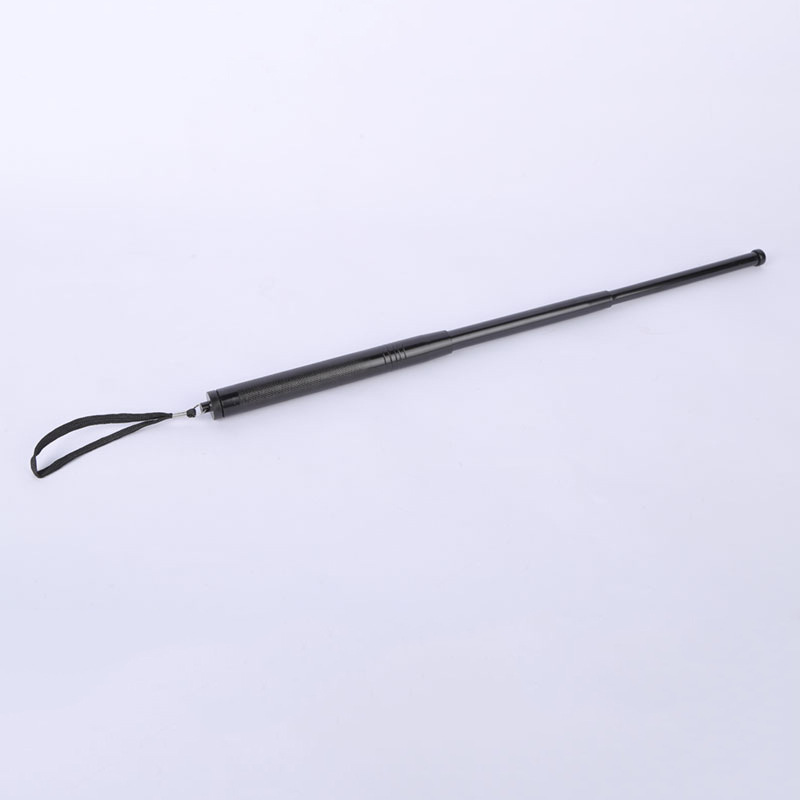
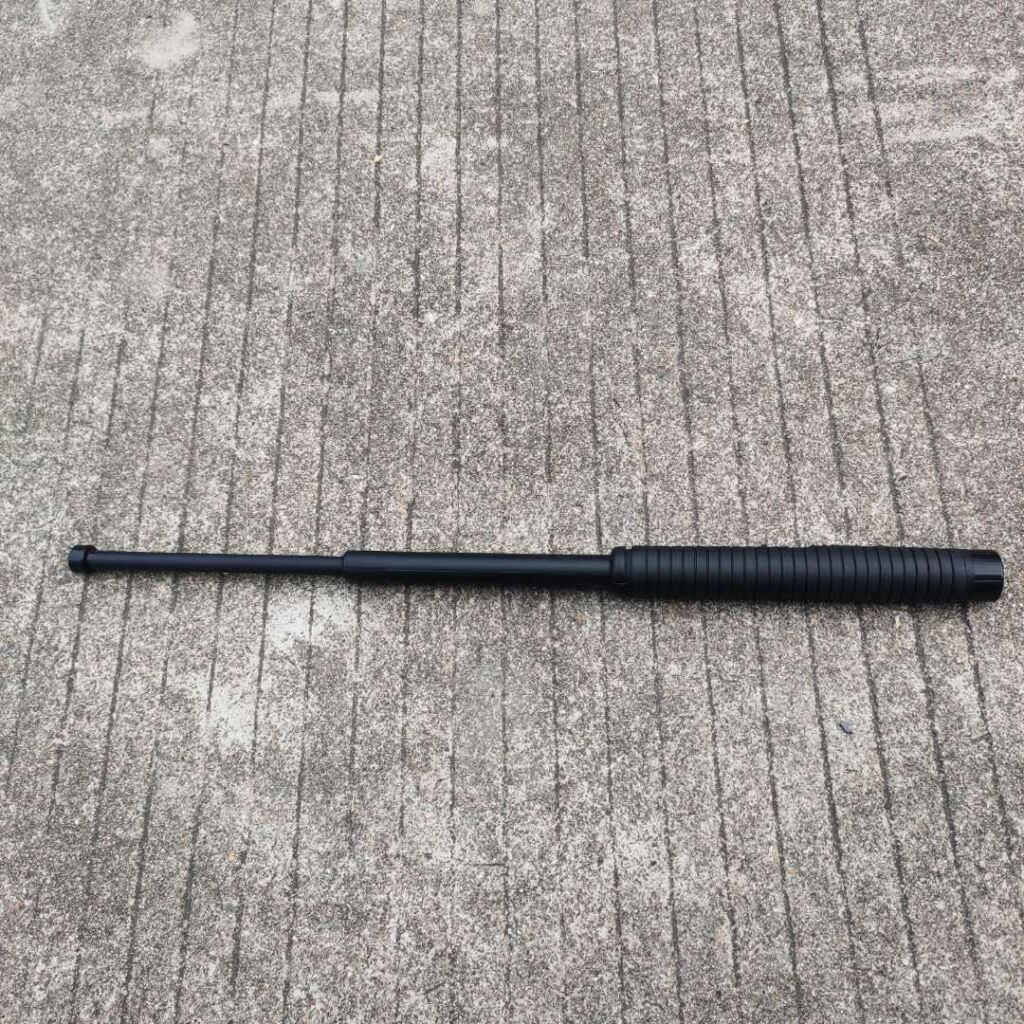
I. Osteological Vulnerability Principles: Energy Transfer Mechanics Expandable batons generate concentrated kinetic forces governed by the energy transfer equation Ek = ½mv2, where velocity exponentially amplifies impact severity. Clinical studies confirm that: A standard 21″ baton swung at 7 m/s (16 mph) by a 75kg user delivers 187 joules – exceeding the fracture threshold for clavicles (140J) and ribs (120J) Impact duration proves critical: […]

Category Archives: Knowledge of Weapons
Gain insights into the Knowledge of Weapons with our detailed guide. Explore weapon types, history, and technological advancements that have shaped military and self-defense practices.
I. Precision Disassembly: Systemic Deconstruction Methodology Controlled breakdown precedes all maintenance, requiring specialized tooling and protocols: Inertial Unlocking: Strike the base cap perpendicularly against dense rubber at 1.8-2.2 m/s velocity to overcome friction-locked sections without damaging threads Torque-Regulated Extraction: Apply 0.9-1.3 N·m clockwise rotation using knurled grip wrenches to prevent shaft scoring Component Sequencing: Utilize magnetic sorting trays with labeled sectors […]
1. Understanding the Nature of Expandable Batons and Why They Raise Questions An expandable baton, also called a telescopic baton or extendable baton, is a compact self-defense tool consisting of multiple telescoping steel or alloy segments that collapse into a small carry length and deploy with a swift flick of the wrist to create a […]
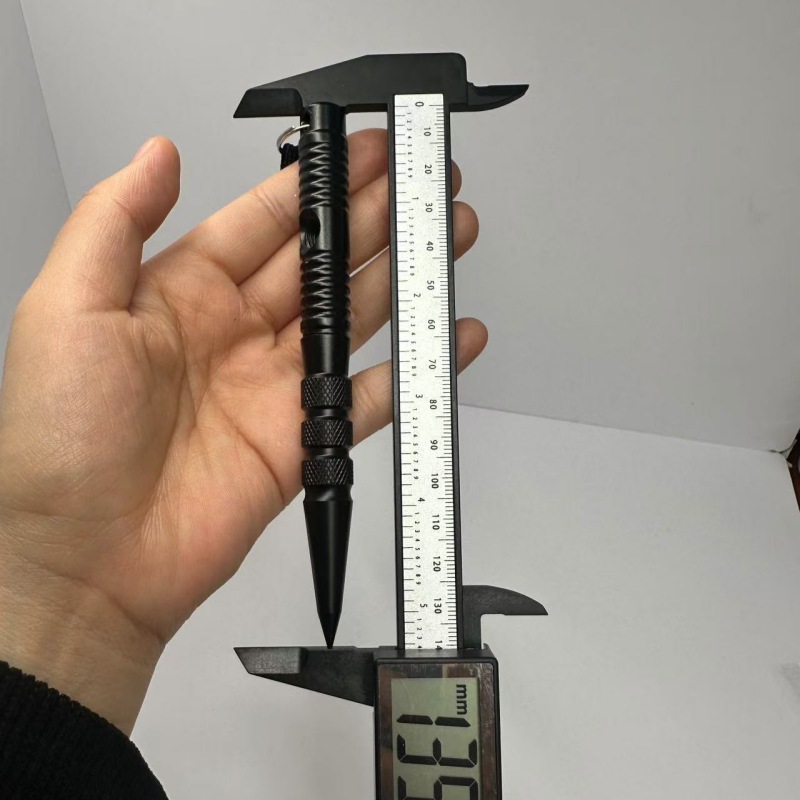
I. Integrated Defense Philosophy: Layered Protection Through Adaptive Tool Ecosystems Modern threat landscapes demand non-linear mitigation strategies where discrete tools operate synergistically across engagement ranges. This bundle creates a continuum of readiness: The pen dominates ultra-close quarters (0-2 ft), the multi-tool manages mechanical obstacles at intermediate distances (2-15 ft), and the combat fan controls spatial dynamics beyond 15 […]
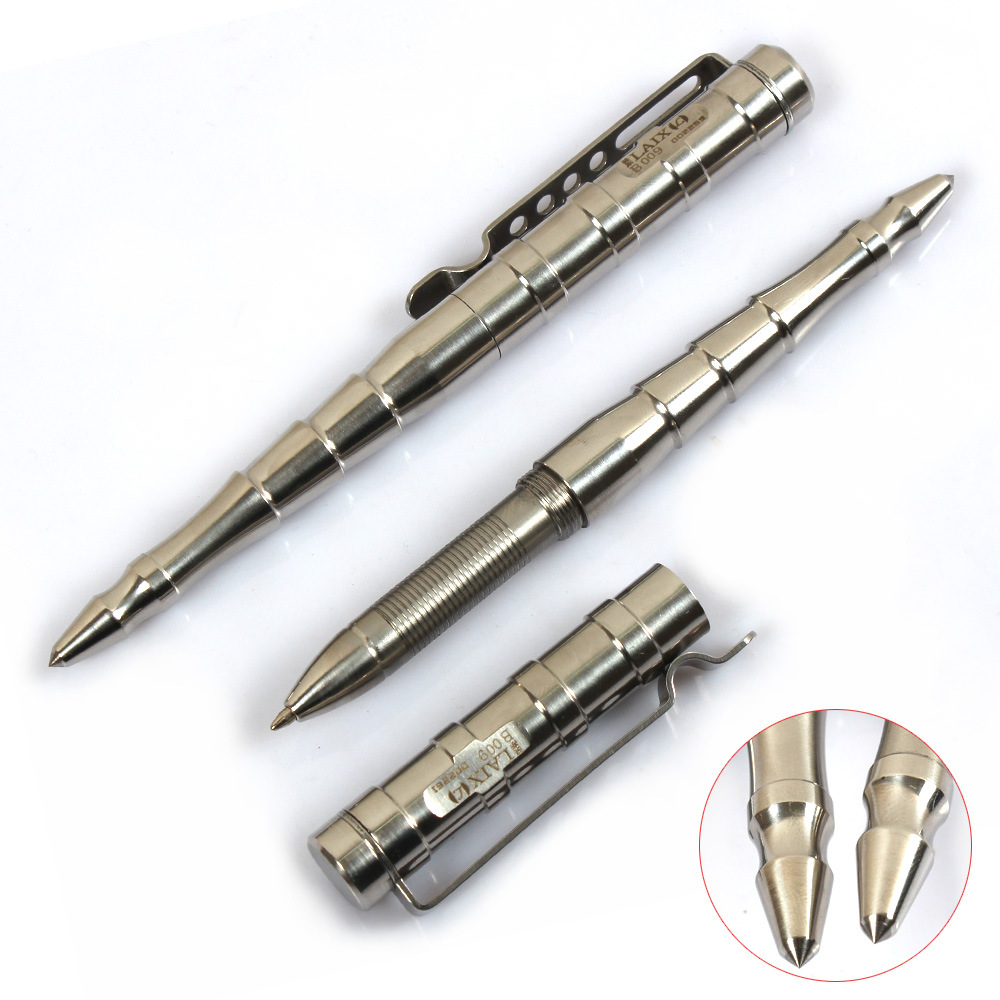
I. Metallurgical Superiority: The Science Behind Surgical-Grade Resilience The foundation of elite tactical pens lies in aerospace-grade stainless steel alloys, specifically engineered to transcend conventional writing instruments. While common pens utilize inexpensive brass or aluminum, premium models deploy marine-certified 316L stainless steel (UNS S31603) or vacuum-remelted 17-4 PH stainless (AMS 5643), achieving Rockwell C40-45 hardness through solution heat treatment and […]
I. Material Science & Structural Integrity: The Foundation of Reliability The core value proposition of a premium tactical pen lies in its advanced metallurgical composition, which must simultaneously ensure writing precision, impact resistance, and corrosion stability. Leading manufacturers utilize aerospace-grade aluminum alloys (7075-T6 or 6061-T6) hardened to Rockwell B80-85 for the barrel, providing a 40% strength-to-weight advantage over standard steel while […]
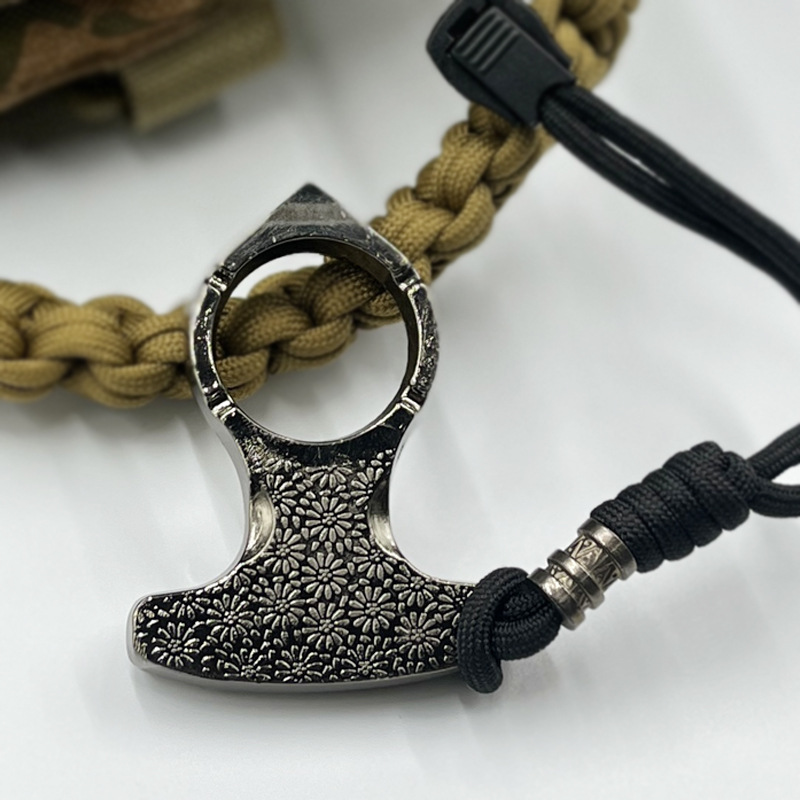
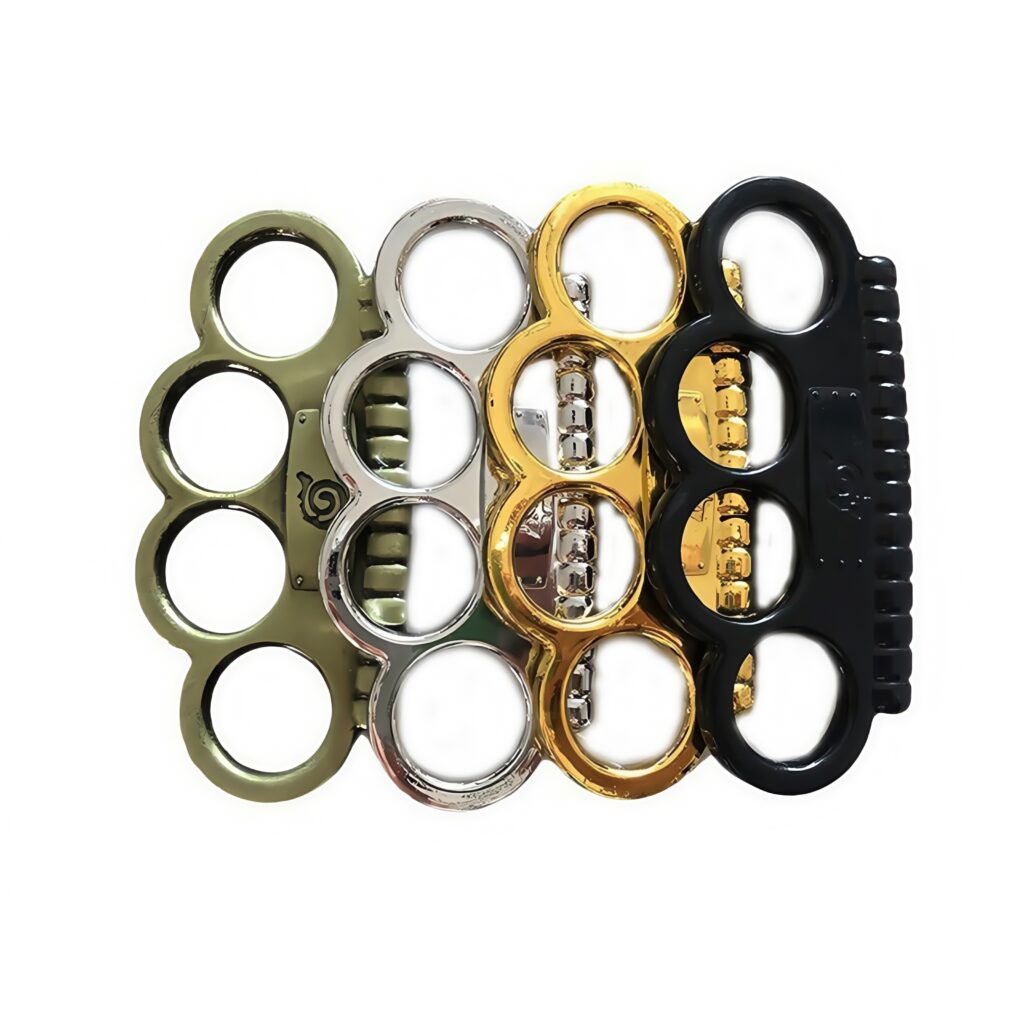
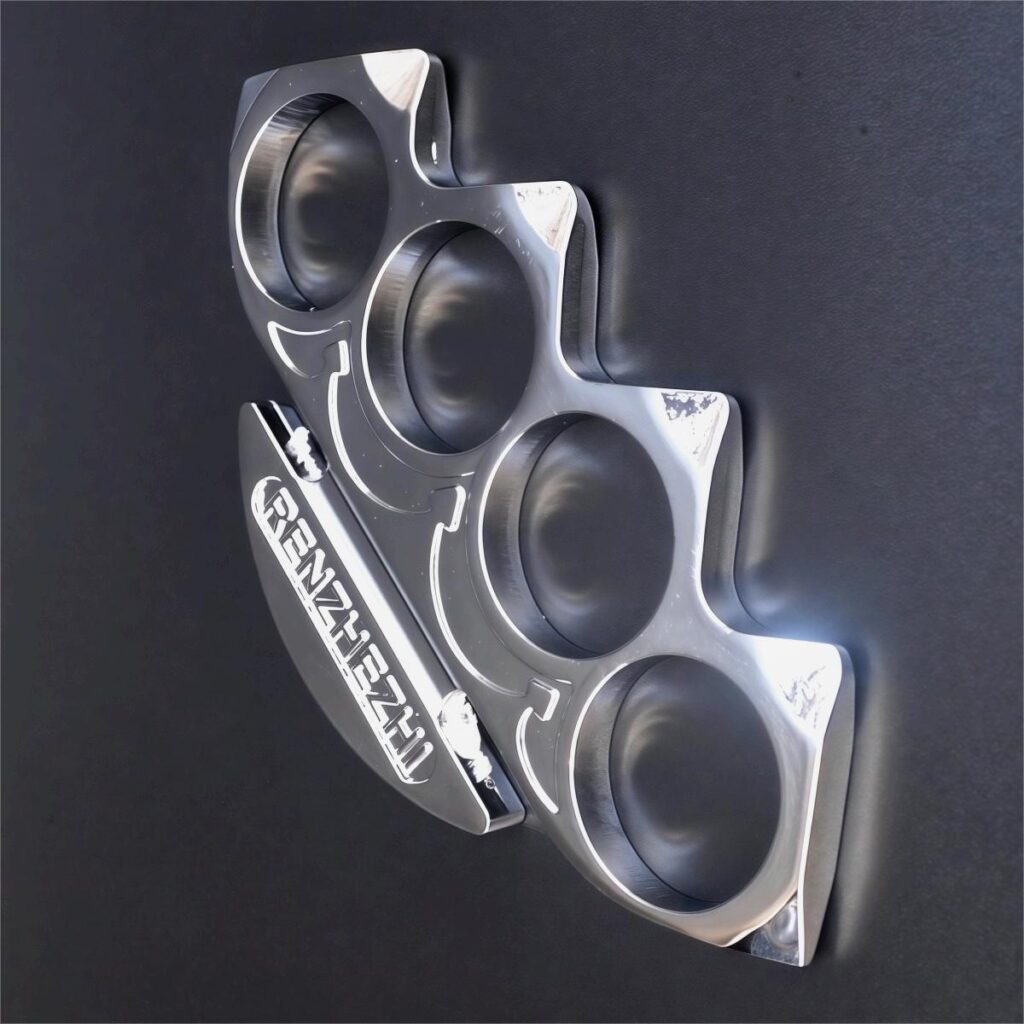
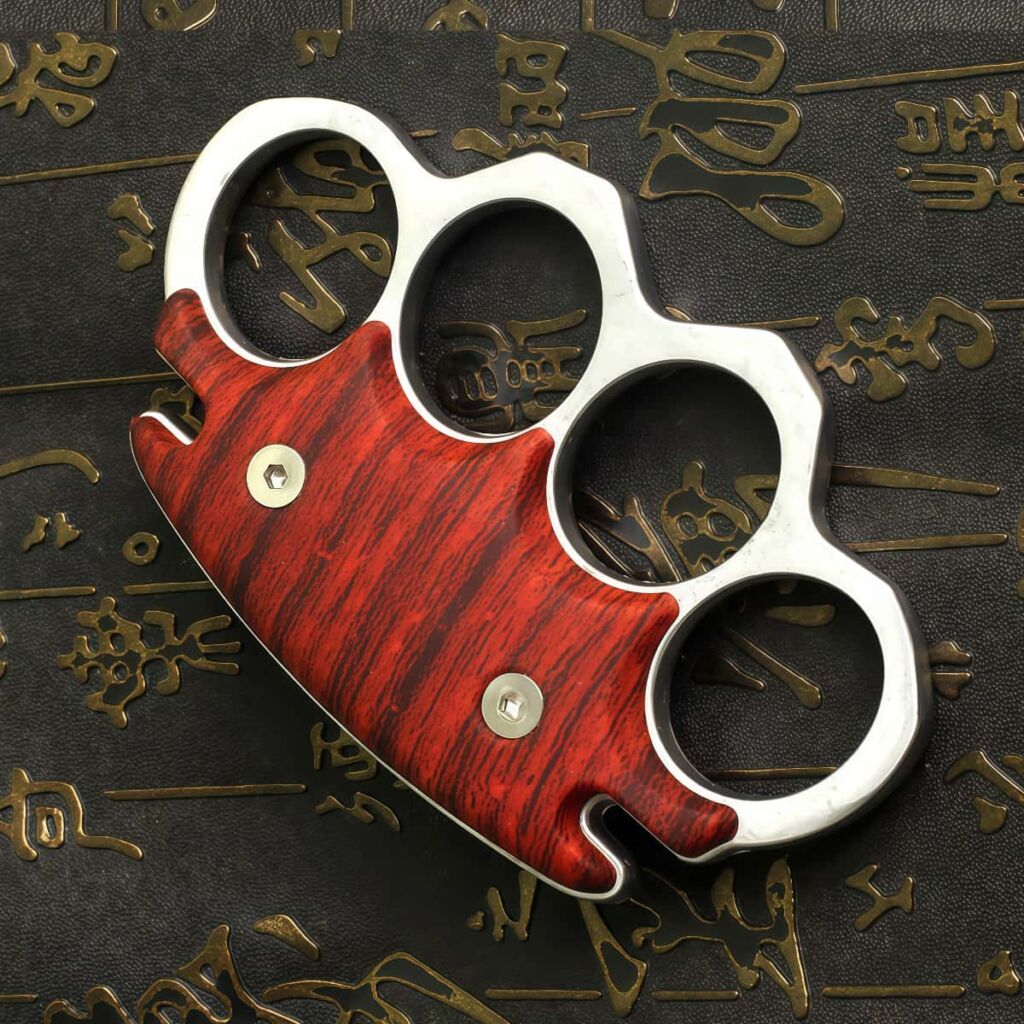
I. Material Science & Metallurgy: The Foundation of Elite Brass Knuckle Durability The efficacy of premium brass knuckles hinges on advanced metallurgical formulations far exceeding historical iron or low-grade alloys. Modern examples utilize naval-grade brass alloys (C46400/C48500), incorporating precise ratios of copper (60-63%), zinc (36.2-39.7%), and trace elements like tin (0.5-1%) or lead (0.2-0.6%). This composition delivers an optimal […]
I. The Modern Urban Defender’s Toolkit: Navigating Complexity with Purpose In an increasingly unpredictable urban landscape, the informed citizen recognizes that preparedness transcends mere vigilance; it demands purposeful tools designed for efficacy within complex environments. Traditional self-defense options often prove impractical for crowded streets, public transit, or confined spaces, creating a critical niche for tactically refined instruments like expandable […]
I. The Evolution of Personal Defense: Why Metal Knuckle Dusters Reign Supreme In an era where personal safety is paramount, metal knuckle dusters have emerged as a fusion of historical utility and modern engineering. Originally designed for close combat in the 19th century, these tools have been reimagined to address contemporary security needs. Unlike bulkier alternatives, today’s […]
I. Crisis Response Chronometry: Activation Time Metrics The time-to-protection variable fundamentally dictates survival outcomes, demanding millisecond-level analysis of deployment sequences: A. Cognitive Activation Thresholds Stun Gun Readiness: Average 0.8-second activation from recognition to arc generation (per FBI Officer Survival Training metrics), enabled by single-button operation requiring 3.5lbs pressure. Baton Deployment Latency: Requires 1.4-second median engagement involving: 0.3s grip reorientation 0.6s inertial […]