
Aug
Knowledge of Weapons, Whether Weapons Are Illegal
Can You Travel Internationally with an Expandable Baton?
1. Understanding the Nature of Expandable Batons and Why They Raise Questions
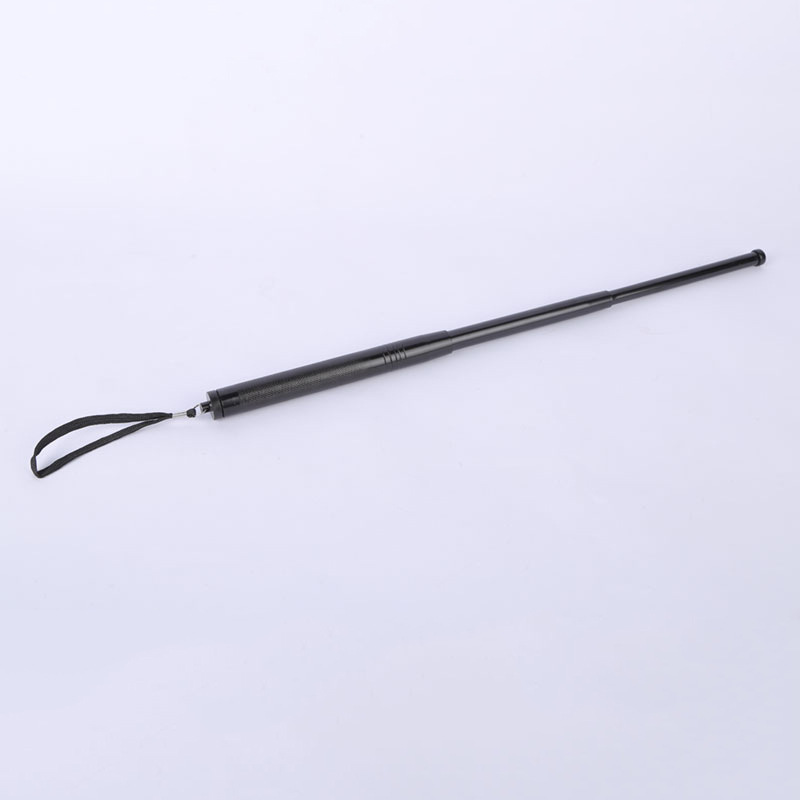
An expandable baton, also called a telescopic baton or extendable baton, is a compact self-defense tool consisting of multiple telescoping steel or alloy segments that collapse into a small carry length and deploy with a swift flick of the wrist to create a rigid, full-length striking instrument, and while it is valued by law enforcement, security personnel, and private citizens in many countries for its portability and deterrence, it also occupies a legally sensitive position in the eyes of customs agencies, airline security teams, and national weapons regulators, which is why traveling internationally with one can be far more complicated than carrying common personal safety tools like pepper spray or a tactical flashlight.
The complexity stems from the fact that expandable batons straddle a gray zone between “non-lethal defensive aid” and “prohibited offensive weapon,” and their classification changes dramatically from one jurisdiction to another—meaning that the same item you carry legally in your home city might be considered contraband when you cross a border, potentially leading to confiscation, fines, or even criminal charges if you are unaware of the specific rules that apply at your destination.
2. The Legal Landscape: How Laws Differ Around the World
Varied National Approaches
The global legal treatment of expandable batons is fragmented. In some countries—such as the United States—the legality is determined at the state or local level, with states like Texas and Florida permitting open civilian possession, while others like California prohibit them outright for non-law enforcement personnel. In the United Kingdom, expandable batons are classified as prohibited offensive weapons, meaning they cannot be possessed, carried, or imported without special authority, and penalties for violations can be severe. In Canada, they are prohibited under federal law, making it illegal to carry, import, or sell them, even as a collector’s item, without an explicit exemption.
In contrast, several European countries, such as the Czech Republic, permit civilian ownership under specific conditions, while parts of Asia, including Japan and Singapore, enforce strict bans with zero tolerance for import or possession. Australia maintains complex state-by-state rules, but in most cases, expandable batons are restricted to licensed security professionals or law enforcement officers.
Air Travel Security Regulations
Air travel compounds these complexities, because even in jurisdictions where expandable batons are legal to own, airline and airport security rules typically forbid them in both carry-on and checked luggage for commercial flights. The International Civil Aviation Organization (ICAO) and the International Air Transport Association (IATA) recognize them as blunt-force weapons, and airport screening systems—whether under TSA in the U.S. or equivalent bodies abroad—will treat them as prohibited items, leading to confiscation at the checkpoint if discovered.
3. Before You Go: Research and Preparation
Country-Specific Research
The most critical step before attempting to travel internationally with an expandable baton is thorough research into the laws of your destination and any transit countries, since a simple layover could expose you to different regulations than your final stop. This means consulting official government resources, embassy websites, or recognized legal databases, and not relying solely on forum discussions or anecdotal advice from travelers, which can be outdated or incomplete.
Airline and Shipping Policies
Equally important is checking your airline’s policies and those of any connecting carriers, because even if you plan to check your baton in luggage, most carriers will refuse to transport it, and they are legally within their rights to do so. Some travelers opt to ship their baton separately via courier services, but even this approach demands compliance with import laws and carrier regulations at the destination.
Documentation and Licensing
In jurisdictions where expandable batons are legal but regulated, carrying proof of licensing or authorization can help avoid misunderstandings. For example, licensed security officers traveling for work may be able to transport their equipment with prior clearance, though this typically requires paperwork filed in advance with customs and relevant authorities.
4. Risks of Traveling with an Expandable Baton
Confiscation and Fines
The most common consequence of attempting to travel internationally with an expandable baton is confiscation, and once seized by airport security or customs officials, the baton is almost never returned, even if it is legal in your home country. In addition to losing the item, travelers may face on-the-spot fines or be referred to law enforcement for further questioning.
Legal Prosecution
In countries with strict weapons laws, being found in possession of an expandable baton can trigger formal charges, resulting in arrest, court appearances, and in extreme cases, imprisonment. Even if you are ultimately acquitted or charges are dropped, the legal process can be costly, time-consuming, and damaging to your travel plans.
Misinterpretation of Intent
Customs and law enforcement officials may interpret the possession of an expandable baton—especially if undeclared—as evidence of intent to use it unlawfully. This perception can influence their decisions in both legal and administrative proceedings, even if your actual intent was legitimate and defensive.
5. Safer Alternatives for International Travel
Non-Prohibited Defensive Tools
Given the risks, many experienced travelers recommend replacing expandable batons with defensive tools that are legal in most countries and compliant with airline regulations. These can include tactical pens made from hardened aluminum, which can be carried in hand luggage and function as both writing instruments and close-contact impact tools, as well as compact LED flashlights with strobe features that can temporarily disorient an aggressor.
Self-Defense Training
Traveling without a baton does not mean traveling unprotected; instead, investing in basic self-defense training—whether unarmed combat techniques, situational awareness skills, or improvised weapon strategies—can significantly enhance personal safety without risking legal complications at border crossings.
Local Purchase at Destination
In some cases, travelers who require a baton for legitimate purposes may be able to rent or purchase one locally where it is legal, using it for the duration of their stay and returning it before departure. This avoids import complications and ensures compliance with the host country’s laws.
6. Best Practices if You Must Travel with an Expandable Baton
If after thorough research and consideration you determine that it is both legal and necessary to bring an expandable baton on an international trip, a series of deliberate steps can reduce the risk of complications:
- Obtain written confirmation from the destination country’s authorities and keep copies of all correspondence.
- Declare the item proactively at customs checkpoints rather than attempting to conceal it.
- Use proper storage and labeling, ensuring it is secured in a locked case and clearly identified as defensive equipment.
- Avoid transit through jurisdictions where possession is illegal, even for connecting flights.
- Maintain professional conduct if questioned, explaining the lawful purpose and providing any licensing documents you hold.
By combining legal due diligence, cautious planning, and awareness of both airline and national restrictions, you can make informed decisions about whether carrying an expandable baton internationally is worth the effort and potential risks.