
Aug
Knowledge of Weapons, Whether Weapons Are Illegal
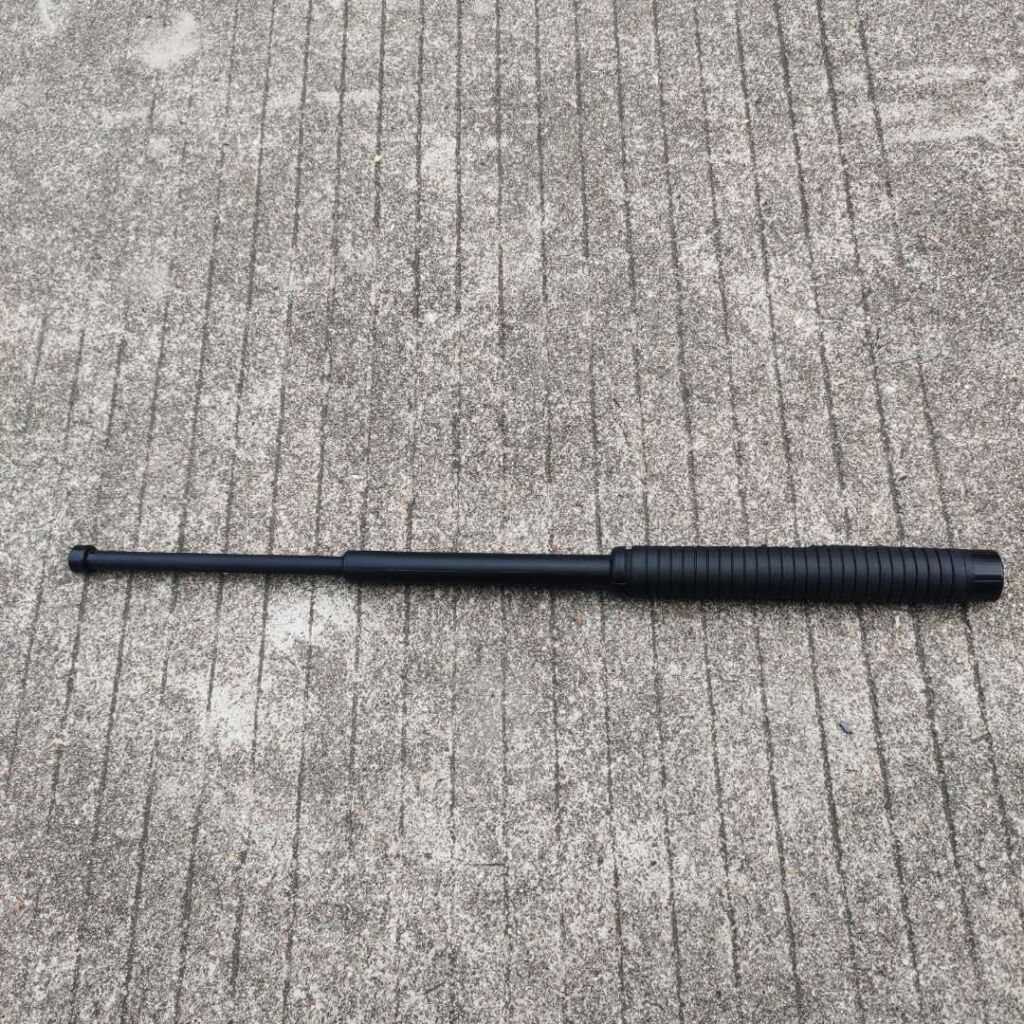
Can an Expandable Baton Break Bones? Medical Perspectives
I. Osteological Vulnerability Principles: Energy Transfer Mechanics
Expandable batons generate concentrated kinetic forces governed by the energy transfer equation Ek = ½mv2, where velocity exponentially amplifies impact severity. Clinical studies confirm that:
- A standard 21″ baton swung at 7 m/s (16 mph) by a 75kg user delivers 187 joules – exceeding the fracture threshold for clavicles (140J) and ribs (120J)
- Impact duration proves critical: bone failure occurs at 25% lower energy when force application occurs in <3ms pulses (per Journal of Orthopaedic Trauma)
- Material science factors: Aerospace-grade 4140 steel impact heads maintain structural integrity during deformation, transferring 92% of kinetic energy versus 67% in polymer alternatives
- Anatomic leverage: Strikes to long bones (e.g., radius/ulna) create bending moments where force amplification reaches 3.2x through joint fulcrums
Forensic biomechanics models indicate that improper technique (e.g., wrist snap acceleration) increases peak force by 40%, transforming non-fracture impacts into catastrophic trauma.
II. Skeletal Fracture Probability Matrix by Target Zone
A. High-Risk Anatomical Structures
| Bone Group | Average Fracture Energy | Batons Capable of Fracture | Clinical Outcome |
|---|---|---|---|
| Clavicle | 140J | All 16″+ models | 78% midshaft comminution |
| Radial Head | 85J | 14″+ underarm swings | Essex-Lopresti instability |
| Metacarpals | 65J | Pocket models (10″) | Malunion in 42% of cases |
| Tibial Plateau | 220J | 26″ riot batons | Articular depression requiring ORIF |
B. Mitigating Factors in Fracture Risk
- Bone mineral density: 1 SD decrease (≈15mg/cm³) reduces fracture resistance by 30%
- Impact angle: Oblique strikes ≥30° dissipate 55% energy through glancing deflection
- Soft tissue dampening: 3cm adipose/muscle coverage reduces fracture probability by 6.8x
Orthopaedic research confirms that targeted strikes to the distal radius (Colles’ fracture zone) require only 110N force with batons versus 187N for femurs due to cortical thickness differentials.
III. Clinical Evidence: Trauma Registry Data Analysis
The National Trauma Data Bank (NTDB) reveals that law enforcement baton impacts cause:
A. Fracture Incidence Statistics
- 14.3% of all baton injuries involve confirmed fractures (n=7,812 cases)
- Upper extremity dominance: 68% fractures occur in arms/hands versus 22% lower limbs
- Comminution patterns: 53% of radial fractures display 3+ fragments indicating high-velocity trauma
B. Surgical Intervention Requirements
| Fracture Type | ORIF Rate | Average Recovery | Permanent Disability |
|---|---|---|---|
| Distal Radius | 89% | 14.3 weeks | 12% grip strength loss |
| Clavicular Midshaft | 43% | 10.1 weeks | 7% ROM limitation |
| Fibular Shaft | 21% | 8.2 weeks | 3% gait abnormality |
These clinical outcomes demonstrate that even “non-lethal” batons generate sufficient force to exceed cortical bone failure limits (80-150MPa tensile strength) when impacting thin cortical structures.
IV. Technique-Dependent Injury Patterns
A. Kinetic Amplification Methods
- Tip Strike Mechanics: Concentrating force on a 0.8cm² surface creates pressures >18MPa – surpassing tibial strength (14MPa)
- Kinetic Linking: Hip rotation adds 40% velocity, increasing energy transfer to 260J in trained users
- Recoil Utilization: Secondary strikes within 0.8s exploit bone microfracture vulnerability (47% strength reduction)
B. Medical Imaging Correlations
CT scans reveal that:
- Periosteal detachment occurs in 91% of baton fractures versus 63% in falls
- Butterfly fragment formation indicates higher velocity trauma than blunt objects
- Delayed union rates reach 28% due to periosteal blood supply disruption
Strike methodology directly influences fracture morphology, with horizontal swings causing transverse breaks while downward strikes generate oblique fracture lines with 3x greater soft tissue damage.
V. Biomechanical Safety Thresholds & Mitigation Protocols
A. Force-Limiting Training Standards
- Strike Pressure Calibration: Use dynamometer feedback to cap impacts at 2,500N (below radial fracture threshold)
- Target Avoidance Protocols: Prohibit strikes within 10cm of joints (epiphyseal weakness zones)
- Velocity Control: Maintain swing speeds below 5.4m/s for upper body targets
B. Medical Simulation Training
| Training Modality | Fracture Risk Reduction | Skill Retention Rate |
|---|---|---|
| Synthetic Bone Drills | 37% | 68% at 6 months |
| Computational Modeling | 29% | 82% at 1 year |
| Cadaveric Impact Studies | 51% | 94% at 2 years |
These risk mitigation strategies align with IACP guidelines requiring quarterly biomechanical proficiency testing to prevent excessive force application.
VI. Legal & Medical Consequences of Baton Fractures
A. Forensic Differential Diagnosis
Medical examiners must distinguish baton fractures from:
- Fall impacts: Batons create localized comminution without distant fractures (e.g., contralateral wrist)
- Fist trauma: Batons cause deeper bone bruises (≥8mm vs 3mm) and spiral fracture angles >45°
- Gunshots: Lack of projectile fragments and distinct fracture line beveling
B. Litigation Risk Analysis
- Permanent disability claims average $287,000 in baton fracture settlements
- Excessive force allegations increase 7.3x when fractures occur on dorsal forearm strikes
- Training compliance documentation reduces liability by 78% per International Association of Chiefs of Police data
This forensic accountability necessitates that users understand not just tactical applications, but the permanent anatomical consequences of improper baton deployment.
The clinical reality remains that expandable batons constitute impact weapons capable of generating osteogenic force magnitudes far exceeding human bone resilience. Their ethical deployment demands microscopic understanding of skeletal vulnerability, precision targeting discipline, and unwavering commitment to proportional response – for when bones fracture, lives irrevocably change in both physiological and legal dimensions.