
Aug
Whether Weapons Are Illegal
Are Tactical Pens Legal in Europe? Country-Specific Laws Decoded
By BKM (brassknucklesmaster.com)
Tactical pens, often marketed as self-defense tools that double as writing instruments, have become increasingly popular due to their discreet appearance and multifunctional utility. But what seems like a harmless pen can, in legal terms, cross over into the territory of regulated or even prohibited weapons—especially in Europe, where weapon laws are notoriously complex and vary significantly from one country to another.
Whether you’re a traveler, collector, or everyday citizen considering carrying a tactical pen for safety, understanding the legal framework surrounding these tools across European countries is critical. This article breaks down the legislation, interpretations, and enforcement trends of tactical pen legality in Europe, offering country-specific insights to help you avoid unintentional violations.
1. Understanding What a Tactical Pen Is (Legally Speaking)
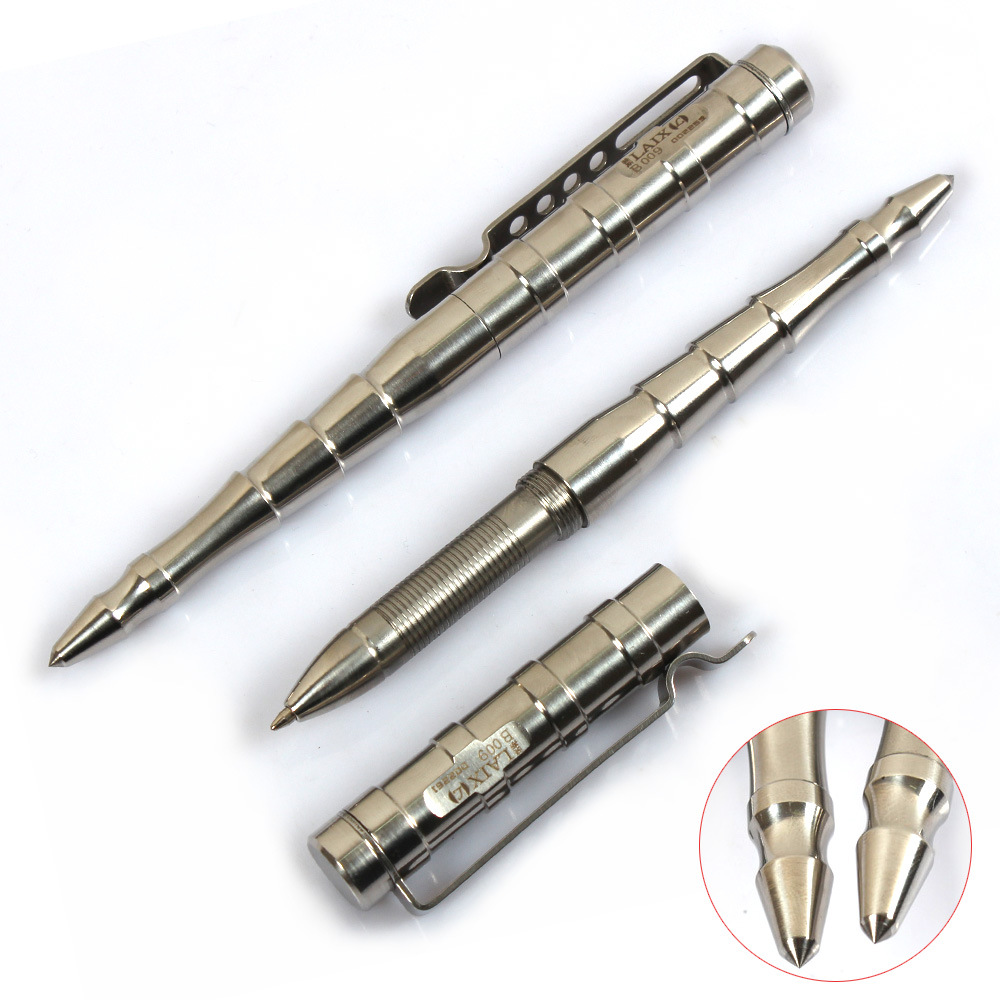
Before diving into country laws, it’s essential to understand how authorities legally interpret a tactical pen. Unlike standard pens, tactical pens are designed with features like a reinforced metal body, a pointed end for striking, and often include glass breakers or DNA catchers. While these features enhance self-defense utility, they also raise eyebrows under weapon classifications.
The legal ambiguity stems from dual-purpose use. Is it a pen, a tool, or a weapon? In some jurisdictions, a tactical pen is perfectly legal unless it’s used or intended to be used as a weapon. In others, even possession without intent can attract legal scrutiny depending on the context and configuration.
2. General EU Framework on Self-Defense Tools
Harmonized Policies? Not Exactly
The European Union attempts to standardize certain policies—especially those around firearms—but self-defense tools like tactical pens are generally governed by national law, not EU-wide directives. Therefore, no unified legal stance exists on tactical pens across the EU.
However, common themes do emerge:
- Concealed carry laws can affect tactical pens.
- Intent matters: carrying a tactical pen with the stated or obvious intention of self-defense can transform it into a prohibited item.
- Classification debates: In many countries, authorities can subjectively classify a tactical pen as a weapon if it resembles or functions as one.
Understanding this fragmented legal environment is the first step in staying compliant.
3. Country-Specific Legal Status of Tactical Pens
Germany
Germany’s weapons law (Waffengesetz) is among the strictest in Europe. While the tactical pen itself isn’t explicitly banned, any object intended to be used as a weapon may fall under weapon laws. Tactical pens can easily be interpreted as “impact weapons,” particularly if carried in self-defense contexts.
Key takeaway: Possession may be legal, but carrying one in public can be problematic, especially during events or airport screenings.
United Kingdom
The UK does not maintain a specific law on tactical pens, but the Offensive Weapons Act can be interpreted broadly. If an officer believes you are carrying a tactical pen as a weapon, intent becomes the focal point. In the UK, even self-defense is not a valid legal reason for carrying an object that could be construed as a weapon.
Key takeaway: While ownership at home may be fine, carrying a tactical pen in public could result in criminal charges if deemed offensive.
France
In France, the Code de la sécurité intérieure governs weapons and self-defense tools. Tactical pens are not explicitly listed in the restricted weapons categories. However, if the pen has features resembling knuckledusters, or is intended to strike, it can be classified as a category D weapon, which requires legal justification for carrying.
Key takeaway: Avoid carrying it in public; keep it in luggage, not on your person, to reduce legal risk.
Italy
Italy’s law on weapons is nuanced. While there is no clear ban on tactical pens, Article 4 of the Consolidated Public Security Act prohibits carrying any object that could injure a person without justified reason. Tactical pens often fall into this grey area.
Key takeaway: You must demonstrate a legitimate, non-defensive reason for carrying a tactical pen—such as utility or writing.
Spain
Spain has a similar interpretation to Italy. Objects not classified as weapons can still be prohibited if authorities determine their primary purpose is defensive or offensive use. Tactical pens may not be listed as weapons, but context and intent matter greatly.
Key takeaway: Best kept in checked luggage or used solely as a desk item.
The Netherlands
In the Netherlands, any object intended for self-defense is illegal to carry, including pepper spray and tactical pens if deemed so. Dutch law is strict on possession, especially in public, where suspicion alone can lead to seizure and fines.
Key takeaway: Avoid public carry entirely, even if you argue it’s a pen.
4. Tactical Pen Use at Airports and Border Crossings
Security Implications
Airports across Europe treat tactical pens with heightened caution. TSA and EU security guidelines often result in these pens being confiscated at checkpoints, particularly if they feature aggressive designs or pointed ends. Some carriers explicitly list tactical pens as prohibited in carry-on luggage.
To avoid delays, fines, or worse, store tactical pens in checked luggage, and avoid carrying them during international travel unless you’re confident in local laws and airport security stances.
5. Practical Tips to Stay on the Right Side of the Law
Know Before You Go
If you’re traveling with a tactical pen, do the following:
- Research national laws and recent enforcement trends in your destination country.
- Avoid marketing or describing the pen as a “self-defense tool” during inspections or conversations with law enforcement.
- Keep packaging or documentation that emphasizes its writing utility rather than combat effectiveness.
Choose Designs Wisely
Opt for tactical pens with a discreet appearance—no sharp protrusions, aggressive knurling, or DNA catchers. The more your pen looks like an ordinary writing tool, the better.
Avoid Making Statements
Carrying a tactical pen while wearing military gear, tactical backpacks, or even talking about self-defense can trigger suspicion. In many European countries, even lawful objects become illegal in the context of perceived threat or aggressive behavior.
6. The Legal Grey Zone: Is It Worth the Risk?
Tactical pens walk a very fine legal line in Europe. While they are not categorically banned in most countries, their status as “dual-use” items means they can easily flip from legal to illegal based on minor situational factors like how you describe them, where you carry them, or even the mood of the inspecting officer.
Their legality often rests on intent, context, and discretion—all subjective factors that offer little protection once legal trouble begins. For those traveling, living, or working in Europe, the practical risk of carrying a tactical pen often outweighs the perceived safety benefit unless you have a thorough understanding of the local legal environment.
If you’re determined to carry one, choose models that favor utility over intimidation, store them smartly, and above all, treat them as tools, not weapons—both in use and explanation.
For more insights on self-defense tools, legality, and tactical gear across borders, visit us at brassknucklesmaster.com. We believe in staying smart, staying safe, and knowing your rights before stepping into risky legal territory.