
Jan
Knowledge of Weapons
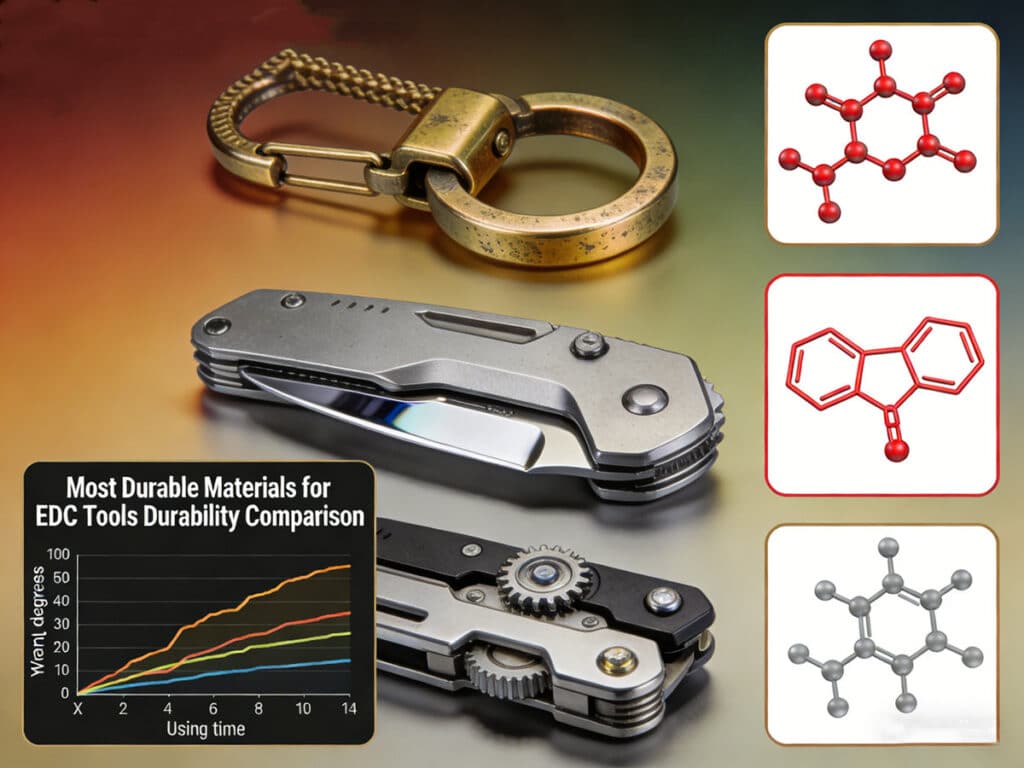
Most Durable Materials for EDC Tools (Brass, Titanium, Steel)
1. Durability as the Core Principle of Everyday Carry
Durability is the quiet foundation of effective everyday carry, because no matter how well-designed or aesthetically appealing an EDC tool may be, its long-term value depends on how reliably it performs after years of exposure to friction, moisture, temperature changes, and constant handling. Professionals who evaluate EDC gear tend to focus less on novelty and more on how materials behave over time, particularly when tools are carried daily in pockets, bags, or pouches where abrasion and impact are unavoidable. Whether discussing simple utility items or more structurally focused tools such as brass knuckles or discreet writing instruments like tactical pens, material selection directly determines how well a tool resists deformation, corrosion, and fatigue, making it one of the most important considerations for anyone building a dependable EDC setup.
2. Brass: Weight, Character, and Long-Term Stability
Brass has remained a favored material in toolmaking for centuries, not because it is the strongest metal available, but because it offers a distinctive balance of durability, density, and workability that suits certain EDC applications particularly well.
Mechanical Properties and Wear Resistance
Brass is an alloy primarily composed of copper and zinc, giving it a natural resistance to corrosion while maintaining sufficient hardness for structural integrity. In everyday carry contexts, brass resists cracking and brittle failure, instead tending to wear gradually, which allows users to notice changes over time rather than experiencing sudden breakage.
Aging, Patina, and User Preference
One of brass’s defining characteristics is its tendency to develop a natural patina, a surface oxidation that many users find visually appealing rather than problematic. This aging process does not typically compromise structural strength, and for some EDC enthusiasts, it adds a sense of individuality and history to the tool, reinforcing long-term attachment rather than encouraging replacement.
3. Titanium: Strength Without Excess Weight
Titanium has earned a reputation as a premium material in modern EDC design, valued for its exceptional strength-to-weight ratio and resistance to environmental stress.
High Strength, Low Density
Titanium offers impressive tensile strength while remaining significantly lighter than steel, making it ideal for users who prioritize comfort during extended carry. This balance allows tools to feel substantial without becoming burdensome, a quality especially appreciated in pocket-carried items.
Corrosion Resistance and Environmental Stability
Titanium naturally forms a protective oxide layer that resists corrosion even in humid or saline environments, making it well-suited for users who spend time outdoors or in variable climates. This resistance contributes to consistent performance with minimal maintenance.
4. Steel: Traditional Reliability and Structural Confidence
Steel remains one of the most widely used materials in EDC tools due to its versatility, availability, and predictable behavior under stress.
Varieties and Performance Differences
Not all steel is the same, and EDC tools may use stainless steel, carbon steel, or specialized alloys depending on intended use. Stainless steel offers corrosion resistance with moderate hardness, while higher-carbon steels provide increased strength at the expense of additional maintenance requirements.
Impact Resistance and Longevity
Steel’s ability to absorb impact without permanent deformation makes it a dependable choice for tools expected to endure repeated stress. When properly treated and maintained, steel components can last decades, reinforcing their reputation for reliability.
5. Comparing Material Performance in Daily Carry
Understanding how brass, titanium, and steel perform side by side helps clarify why no single material is universally superior, and why experienced users often select tools based on context rather than trend.
Weight Versus Stability
Brass offers satisfying weight and balance, titanium prioritizes lightness and strength, and steel provides familiar solidity. The “best” choice depends on whether the user values heft, comfort, or traditional durability.
Maintenance Expectations
Brass and titanium generally require less maintenance than certain steels, though all materials benefit from basic care. Users willing to clean and inspect their tools regularly may find steel’s performance advantages worthwhile, while others may prefer lower-maintenance options.
6. Material Choice and Tool Design Integration
Material durability cannot be evaluated in isolation from design, because geometry, thickness, and finishing techniques all influence how a tool performs over time.
Structural Design and Stress Distribution
A well-designed tool distributes stress evenly across its structure, reducing the likelihood of failure regardless of material choice. Poor design can compromise even the strongest metals, while thoughtful engineering enhances durability across all three materials.
Surface Finishes and User Interaction
Finishes such as polishing, bead blasting, or anodizing protect surfaces and affect grip comfort. High-quality finishing also reduces micro-abrasions that can accelerate wear, underscoring the relationship between material science and craftsmanship.
7. Durability Across Different EDC Tool Categories
Different EDC tools place different demands on materials, and understanding these demands helps users make informed choices.
Solid Tools Versus Mechanized Components
Solid tools with no moving parts rely heavily on material toughness and thickness, making brass and steel popular choices. Tools with threads or internal mechanisms may benefit from titanium’s strength and reduced weight, which minimizes wear on moving interfaces.
Parallels With Other EDC Items
The same material considerations apply across categories, whether evaluating the grip integrity of tactical pens or the structural simplicity of brass knuckles, reinforcing the idea that durability is a system-level characteristic rather than a single specification.
8. Choosing Durability With Long-Term Perspective
Selecting the most durable material for EDC tools ultimately involves balancing mechanical properties, maintenance habits, aesthetic preferences, and intended use, rather than chasing a universally “best” option. Brass offers character and steady wear, titanium delivers strength without weight, and steel provides time-tested reliability, each excelling under different conditions. When chosen thoughtfully and paired with quality design, any of these materials can support years of dependable everyday carry. For those seeking professionally crafted tools and deeper insight into material choices and construction standards, the BKM office website at https://brassknucklesmaster.com/ provides a valuable reference point for understanding how durable materials, responsible design, and long-term usability come together across a range of EDC products, including thoughtfully engineered tactical pens and structurally focused tools designed for consistent performance over time.