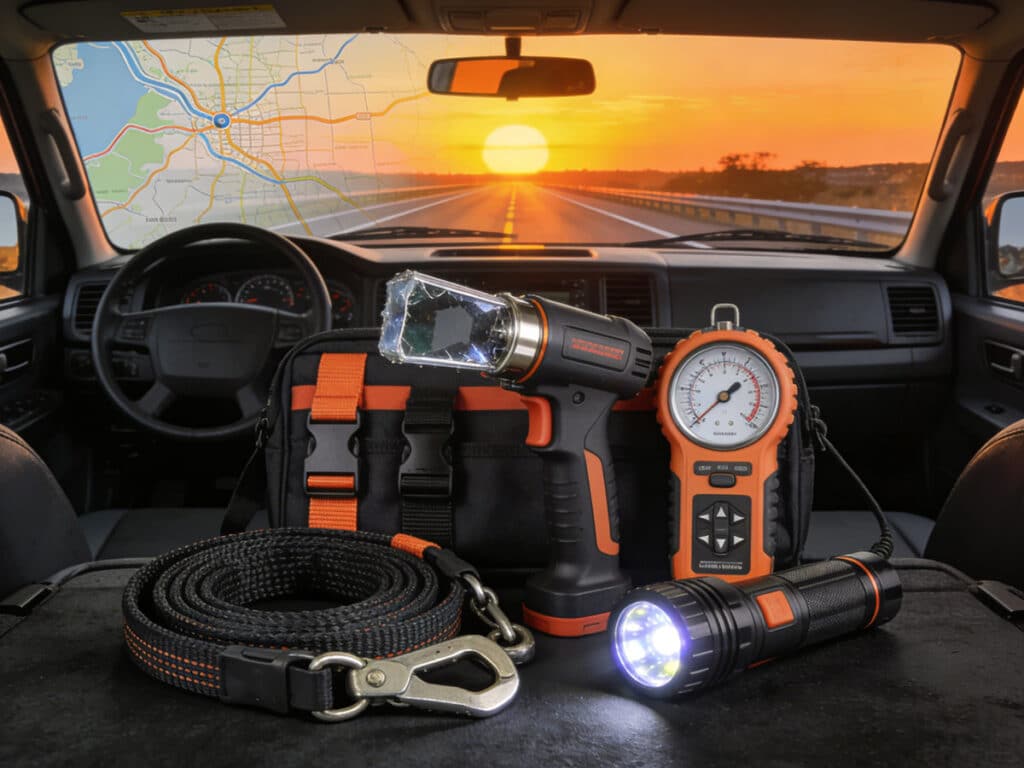
1. Why Emergency Preparedness Matters on the Road Road trips are often associated with freedom and discovery, yet even the most carefully planned journey can be disrupted by unpredictable circumstances such as mechanical failure, sudden weather changes, or unexpected detours through remote areas. Emergency preparedness is not about anticipating disaster at every turn, but about […]
Category Archives: Weapons What
Uncover Weapons What—explore the types, functions, and designs of various weapons, from ancient tools to modern technology, and understand their roles in history and defense.
1. Start With Your Real-World Needs Before looking at any specific self-defense tool, it is essential to pause and evaluate the situations you are realistically preparing for, rather than relying on dramatic scenarios or marketing claims. Daily routines, work environments, commute patterns, and personal comfort levels all influence what type of tool makes sense. Someone […]
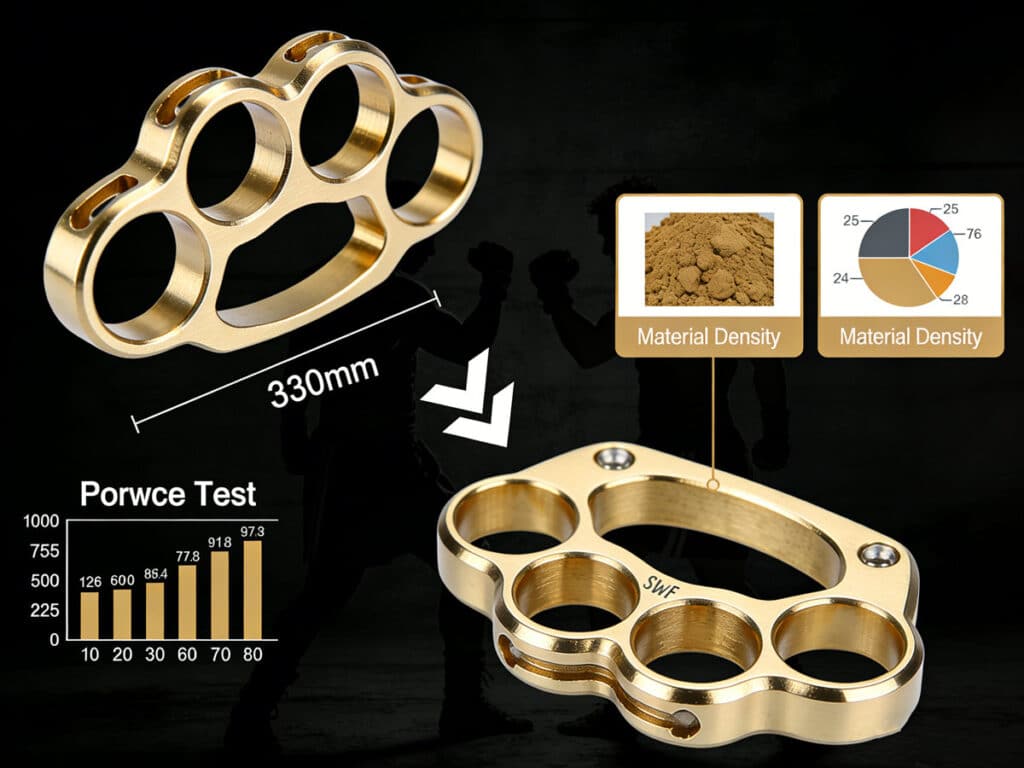
1. Understanding Weight as a Design Variable When people compare heavyweight and lightweight brass knuckles, they often assume that weight alone determines effectiveness, yet professionals and experienced users tend to view weight as one variable within a much broader design conversation that includes ergonomics, control, comfort, and responsible use. Weight influences how an object feels […]
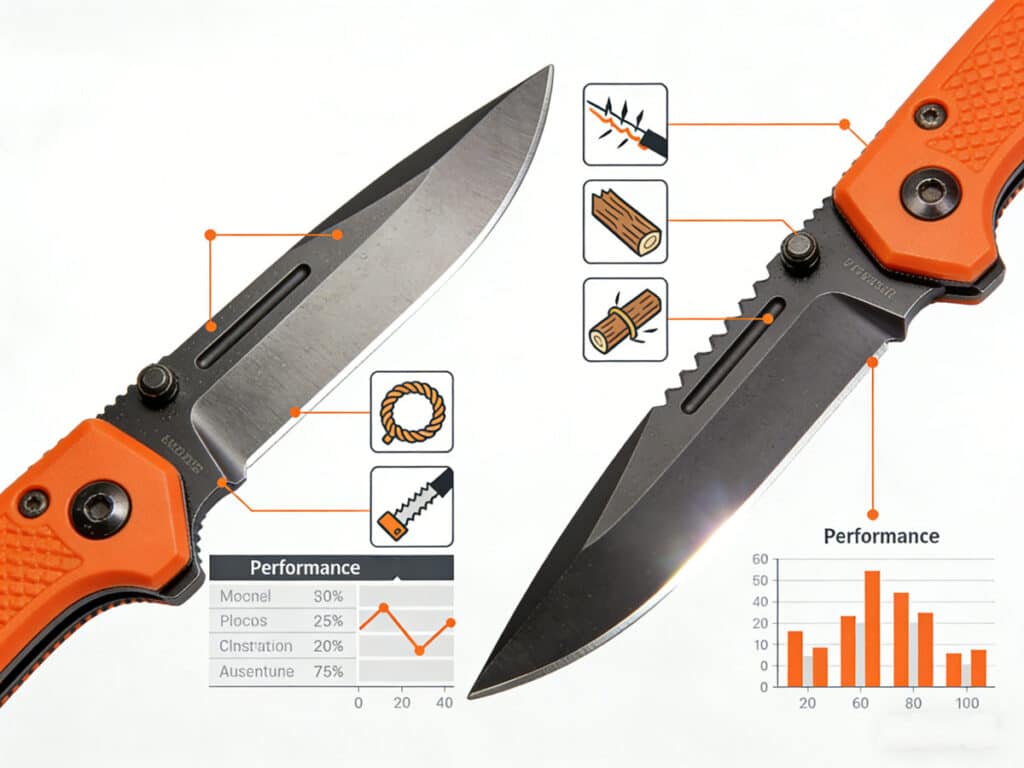
1. The Role of Rescue Knives in Emergency Preparedness Rescue knives occupy a unique space within the broader world of safety tools, because they are designed not for utility in everyday cutting tasks alone, but for reliability and speed in situations where seconds matter and conditions are rarely ideal. Whether carried by first responders, outdoor […]
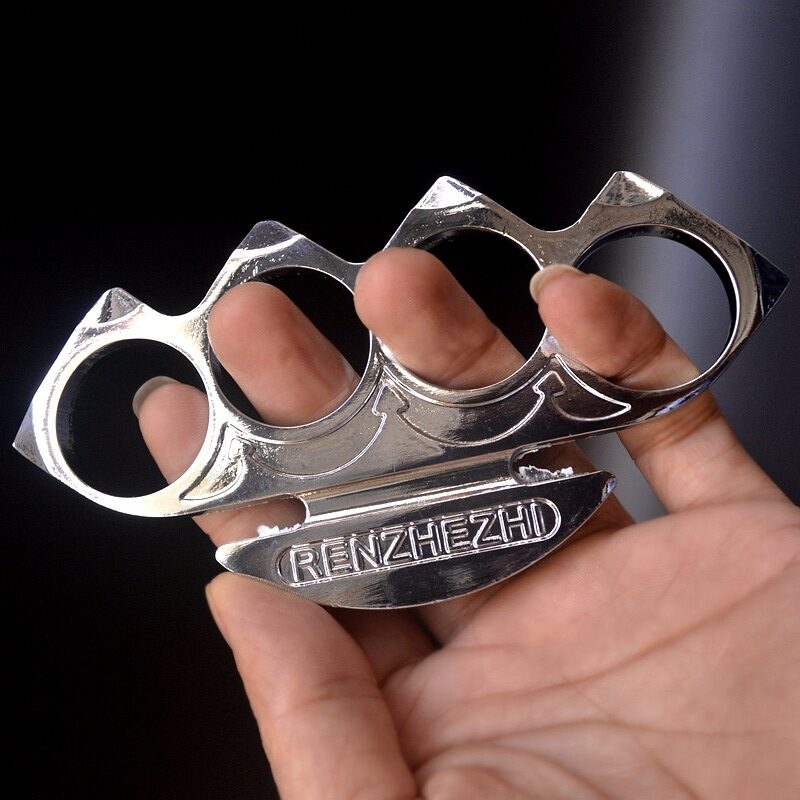
1. The Design Language Behind Finger Hole Geometry The study of finger hole design on brass knuckles is not merely a discussion about appearance or tradition, but a deeper exploration of ergonomics, mechanical balance, material stress distribution, and user comfort, all of which influence how the object feels in the hand over extended periods of […]
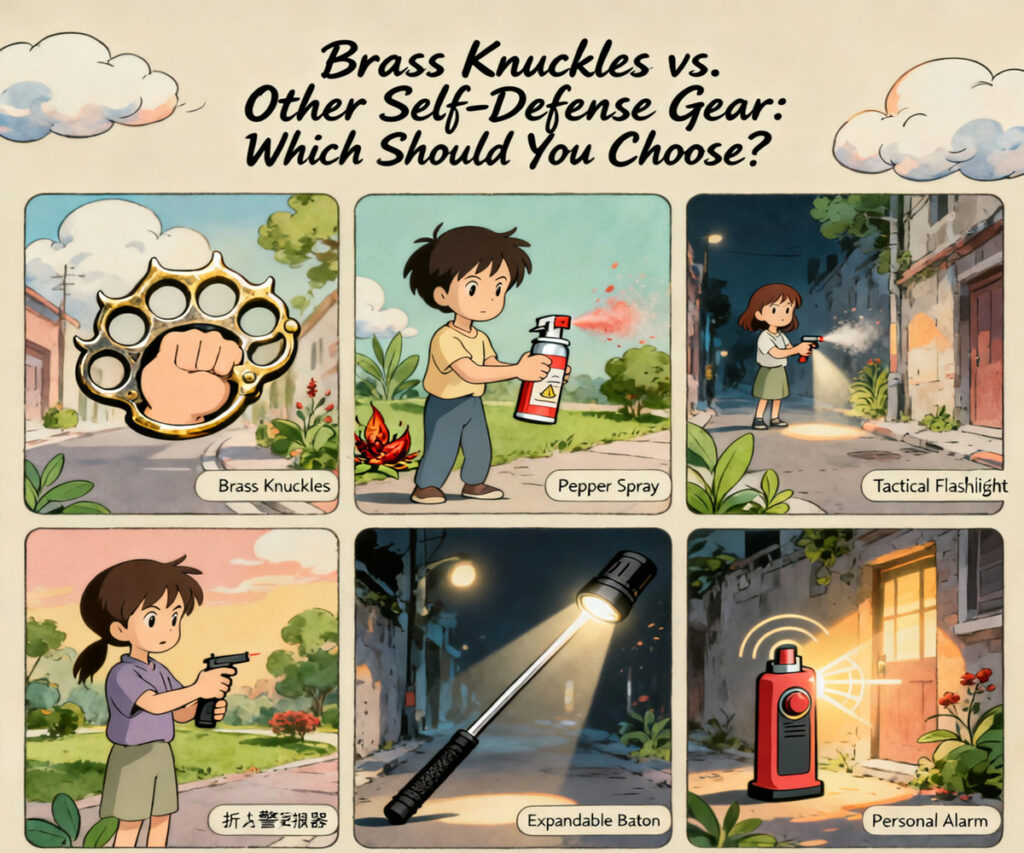
Brass Knuckles vs. Other Self-Defense Gear: Which Should You Choose? In a world where personal safety is an ever-present concern, selecting the right self-defense tool can mean the difference between feeling empowered and being caught off guard. With countless options flooding the market—from chemical deterrents to melee weapons—many people find themselves debating which gear aligns […]
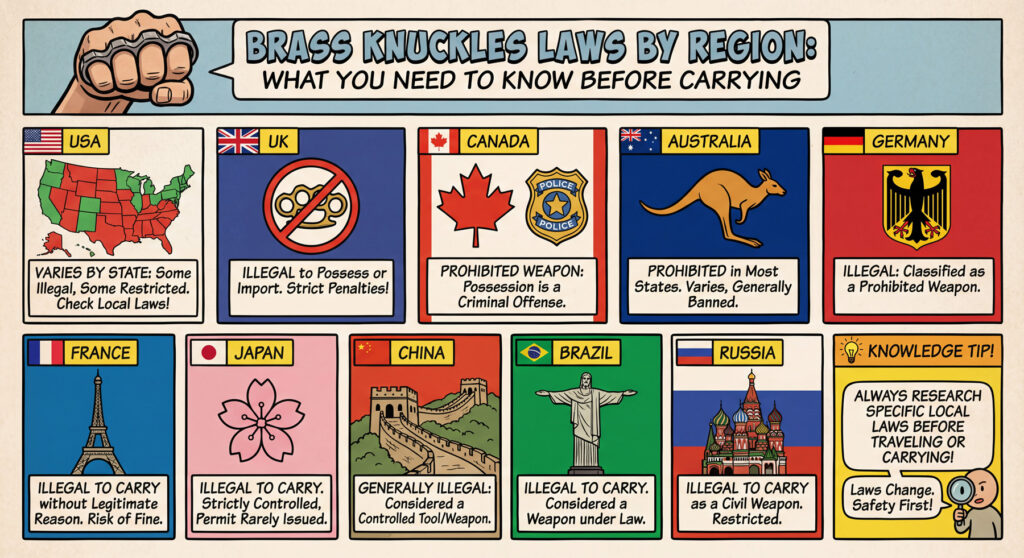
Carrying a self-defense tool demands not only confidence in its use but, crucially, a thorough understanding of its legal status. Brass knuckles, also known as knuckle dusters, occupy a particularly complex and often prohibited space within weapon laws across the United States and internationally. Possessing or carrying them without clear knowledge of local statutes can lead […]
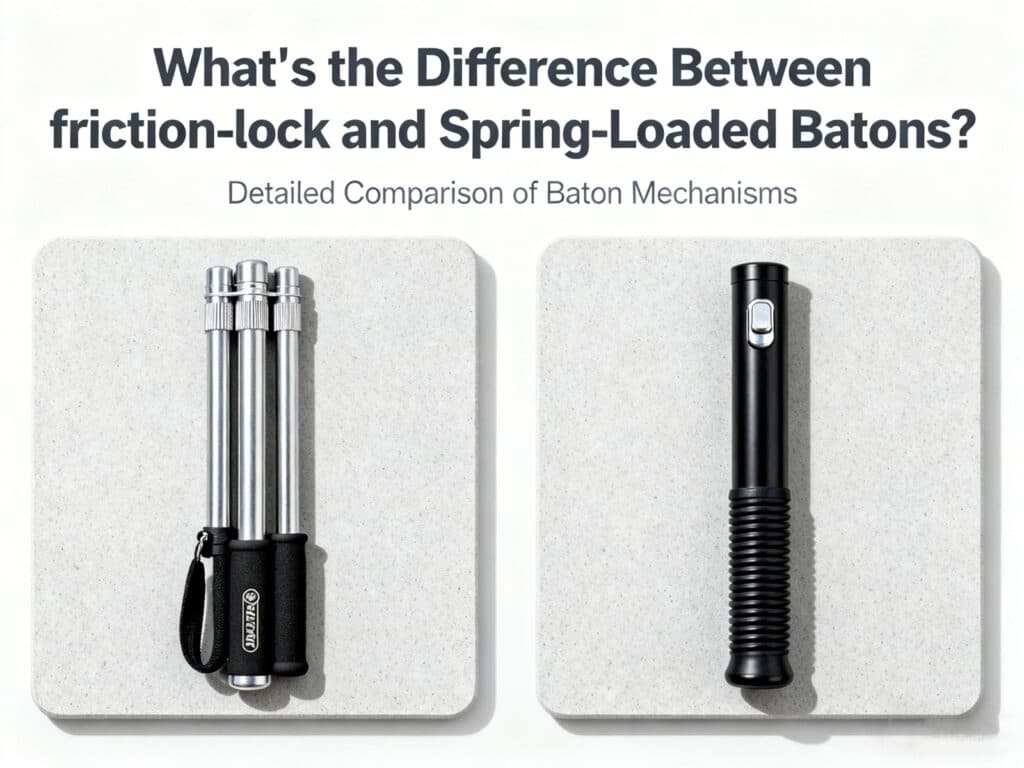
In discussions about modern impact tools, especially those analyzed in law-enforcement policy studies, security-equipment evaluations, or engineering reviews of extendable metal devices, few comparisons appear more often than the one between friction-lock batons and spring-loaded batons, because both devices represent distinct design philosophies that prioritize different combinations of durability, mechanical complexity, reliability, and deployment style. […]
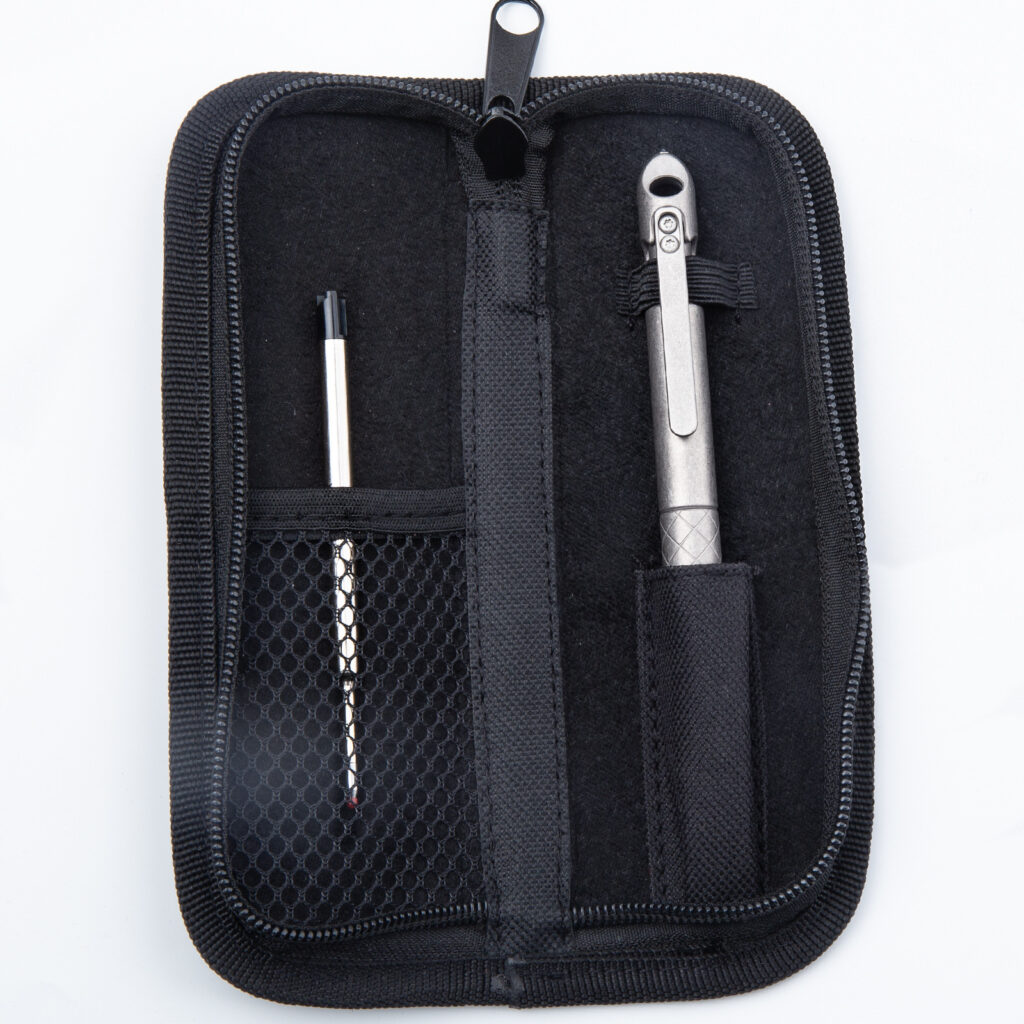
The Physics of Automotive Glass – Why Conventional Strikes Fail Automotive windows utilize engineered fracture mechanics that resist blunt-force impacts through two distinct technologies: 1.1 Laminated Windshields: Polymer-Reinforced Security Structural Composition: 0.3″ thickness comprising two soda-lime glass layers bonded by polyvinyl butyral (PVB) interlayer Energy Absorption: PVB dissipates 120J+ impact energy through viscoelastic deformation (per ANSI Z26.1 […]
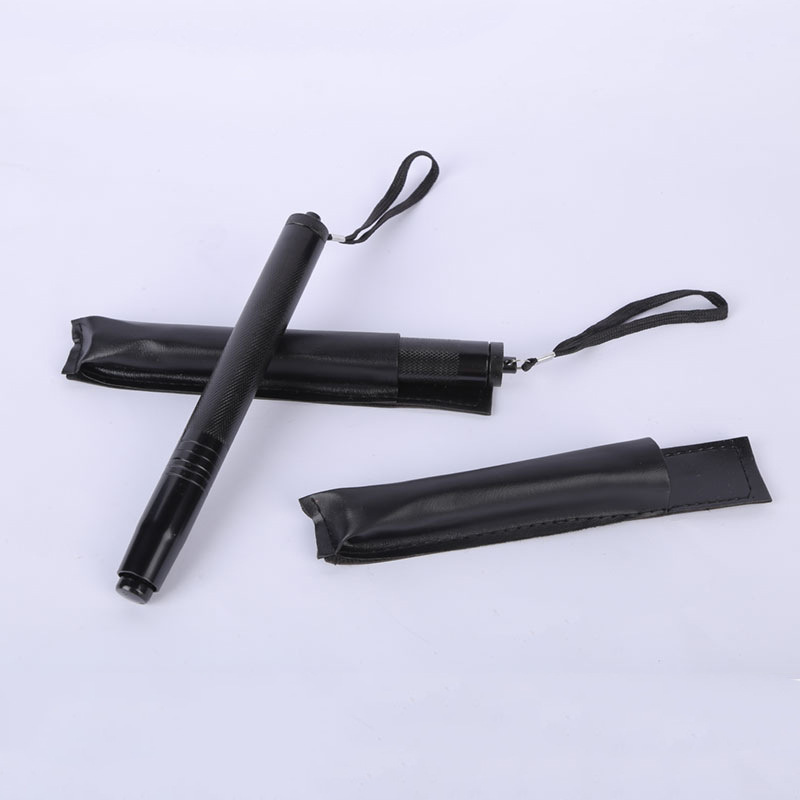
Fundamental Material Properties – Atomic Structure to Macro-Performance The durability hierarchy between steel and aluminum batons originates at the molecular level, dictating real-world resilience under kinetic stress. Metallurgical Composition Breakdown Property Aerospace Aluminum (6061-T6) Tool Steel (4140 Alloy) Crystal Structure Face-centered cubic (FCC) Body-centered cubic (BCC) Density 2.70 g/cm³ 7.85 g/cm³ Elemental Additives Magnesium (1.0%), Silicon (0.6%) […]