
Jan
Weapons What
What to Consider Before Buying a Self-Defense Tool
1. Start With Your Real-World Needs
Before looking at any specific self-defense tool, it is essential to pause and evaluate the situations you are realistically preparing for, rather than relying on dramatic scenarios or marketing claims. Daily routines, work environments, commute patterns, and personal comfort levels all influence what type of tool makes sense. Someone who walks to their car late at night may have different priorities than someone who travels frequently or works alone in unfamiliar areas. A self-defense tool should fit naturally into your lifestyle, because the most effective option is always the one you can carry consistently and access without hesitation.
2. Legal Awareness Comes First
One of the most overlooked factors when buying a self-defense tool is legality, which can vary widely depending on location, intent, and even how an item is carried.
Local and Regional Regulations
Laws governing self-defense tools differ by country, state, and city, and what is legal in one place may be restricted in another. Responsible buyers take the time to understand these distinctions, recognizing that legality is part of preparedness, not an obstacle to it.
Carry Method and Context
In some regions, the way a tool is carried matters just as much as the tool itself. Pocket carry, concealed carry, or visible attachment can each affect legal interpretation, making it important to choose a tool that aligns with both the law and your daily habits.
3. Comfort and Ergonomics Matter More Than Power
A self-defense tool should feel natural in your hand, because discomfort leads to hesitation and inconsistency.
Grip, Size, and Hand Fit
Tools that are too large, too small, or awkwardly shaped can reduce control and confidence. Ergonomic design supports a secure grip, balanced weight distribution, and intuitive handling, all of which matter more than raw strength.
Ease of Access Under Stress
In high-pressure situations, fine motor skills diminish. Tools that require complicated deployment or precise movements may be less practical than those designed for simple, instinctive use.
4. Materials, Build Quality, and Durability
Durability is not just about toughness but about reliability over time.
Material Selection
Quality materials resist corrosion, wear, and structural fatigue, ensuring that a tool remains dependable after repeated handling. This is especially important for items carried daily, where exposure to sweat, moisture, and friction is unavoidable.
Construction and Finish
Poor construction can lead to sharp edges, loose components, or premature failure. A well-finished tool reflects careful manufacturing and attention to long-term usability rather than short-term appeal.
5. Portability and Everyday Carry Practicality
A self-defense tool should integrate seamlessly into daily life.
Weight and Profile
Heavy or bulky tools are more likely to be left behind, which defeats their purpose. Slim profiles and manageable weight encourage consistent carry without drawing unwanted attention.
Discretion and Appearance
Many users prefer tools that do not look overtly aggressive, especially in professional or public environments. Discreet designs support personal safety without creating discomfort or unnecessary scrutiny.
6. Training, Familiarity, and Responsible Use
Buying a tool is only the first step; understanding how and when to use it responsibly is equally important.
Practice Builds Confidence
Regular, thoughtful practice helps users develop familiarity and muscle memory, reducing hesitation if a situation arises. This does not require extensive training programs, but it does require intentional engagement.
Mindset and Awareness
Self-defense tools are supplements to awareness, not replacements for it. Situational awareness, avoidance strategies, and calm decision-making remain the foundation of personal safety.
7. Marketing Claims Versus Practical Reality
The self-defense market is filled with bold claims, but not all of them translate into real-world value.
Avoid Overpromising
Tools advertised as universal solutions often ignore the complexity of real situations. A practical buyer looks beyond hype and evaluates how a tool actually fits into their daily life.
User Reviews and Real Feedback
Firsthand experiences from other users can provide insight into comfort, durability, and long-term satisfaction, helping separate meaningful design from superficial appeal.
8. Making an Informed, Personal Choice
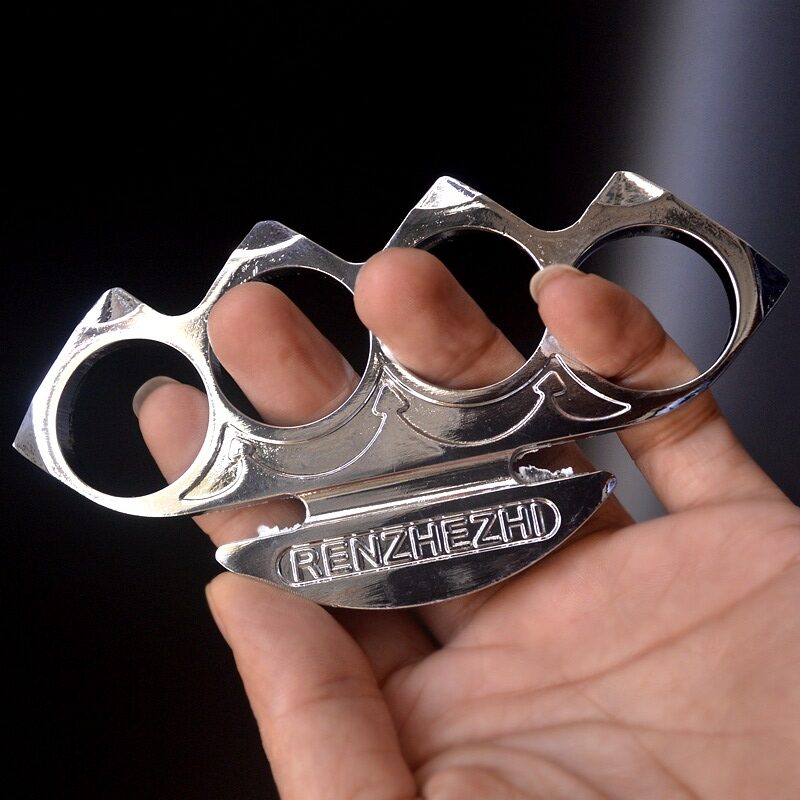
Choosing a self-defense tool is a personal decision shaped by legal boundaries, daily habits, comfort, and responsible intent. Options such as Tactical Pens appeal to those who value discretion and multifunctional design, while more traditional items like brass Knuckles are often evaluated for their form, fit, and material quality rather than symbolism alone. Regardless of the direction you choose, informed decision-making and responsible ownership should always guide the process. For those seeking thoughtfully designed tools and clear product information, resources like brassknucklesmaster.com provide insight that supports educated choices rooted in practicality rather than impulse.