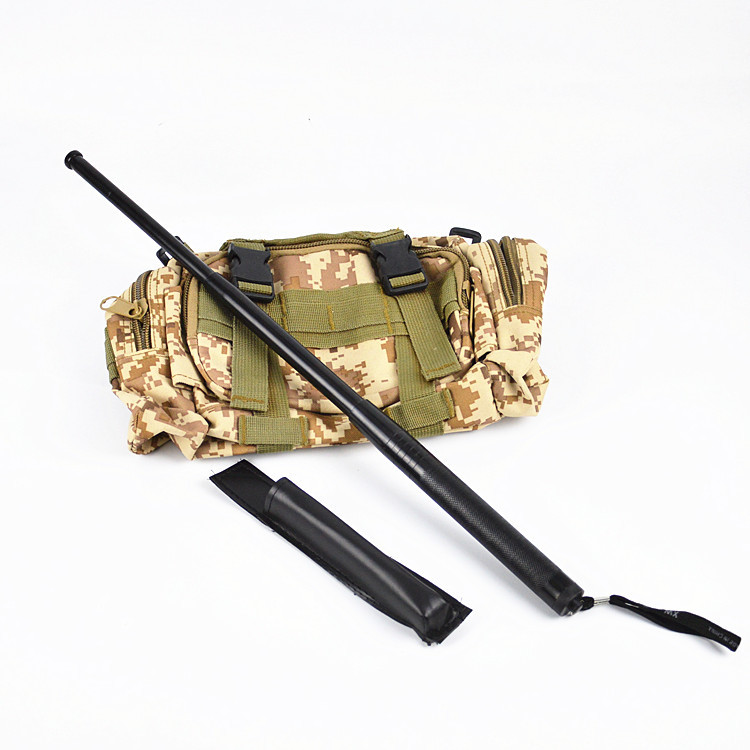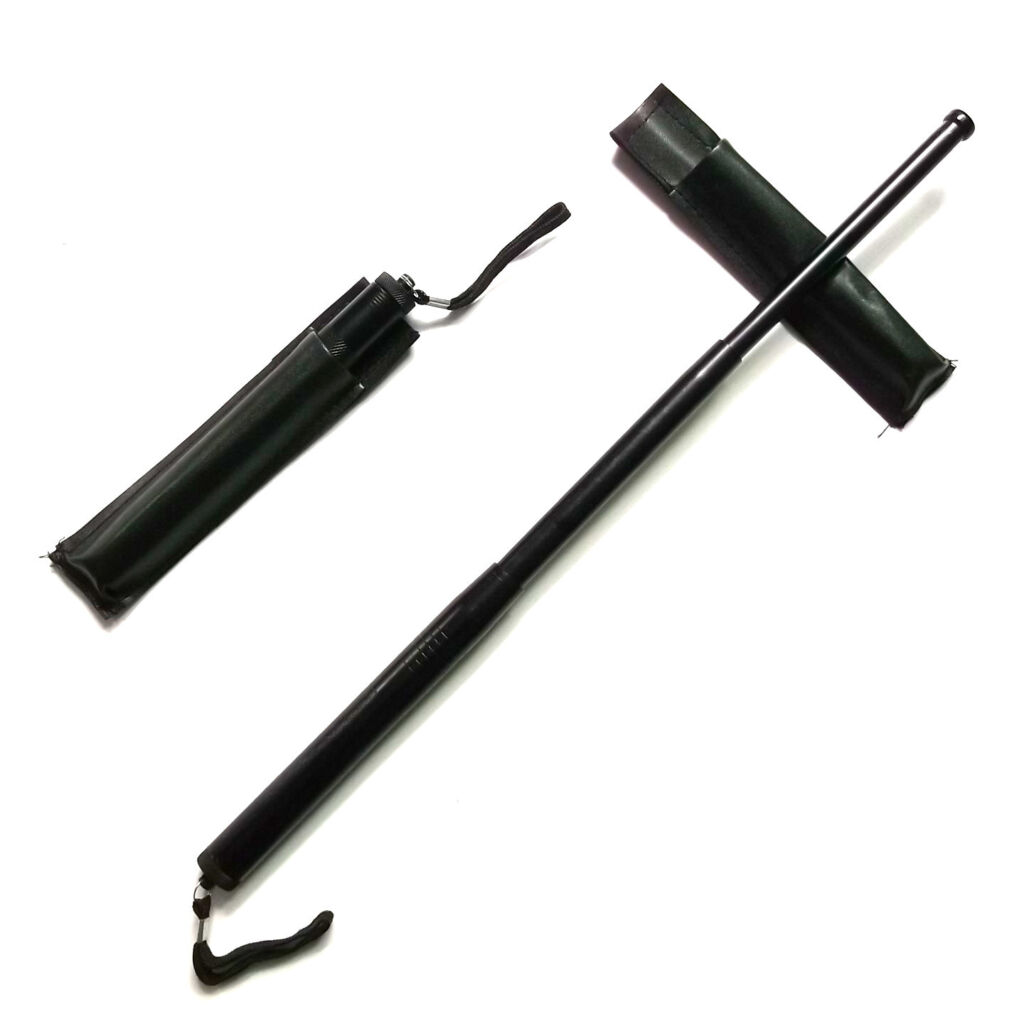

I. Kinetic Physics & Mechanical Principles of Collapsible Batons Understanding expandable baton dynamics requires analysis of energy transfer mechanics and material deformation thresholds. Professional-grade batons (e.g., friction-lock or gas-operated systems) leverage: Impulse-Momentum Theorem: Kinetic energy (KE=½mv²) concentrates at impact; a 16″ baton swung at 8m/s generates 42J energy – sufficient to fracture automotive glass but controlled to minimize permanent injury […]
Category Archives: Weapons How
Discover Weapons How—a comprehensive look at how weapons are designed, used, and maintained. Learn about the mechanics, techniques, and technologies behind effective weaponry.
I. Core Functional Philosophy: Defining Mission-Critical Requirements Selecting an optimal keychain multi-tool begins with rigorous operational analysis that transcends superficial feature counts, demanding systematic evaluation of environmental stressors, frequency of use patterns, and failure consequence thresholds. Professionals must quantify: Task Frequency Matrix: Document daily tool interactions (e.g., package opening: 15±3 instances, fastener adjustment: 2-7 instances) Environmental Extremes: Temperature […]
I. Fundamental Mechanics: The Physics of Impact Energy Transfer The kinetic energy delivery of an expandable baton is governed by the equation KE = ½mv², where mass (m) and velocity (v) are directly influenced by baton length. Longer batons generate higher terminal velocity during swings (up to 32 m/s in 26″ models) but suffer from increased angular inertia that reduces maneuverability in […]
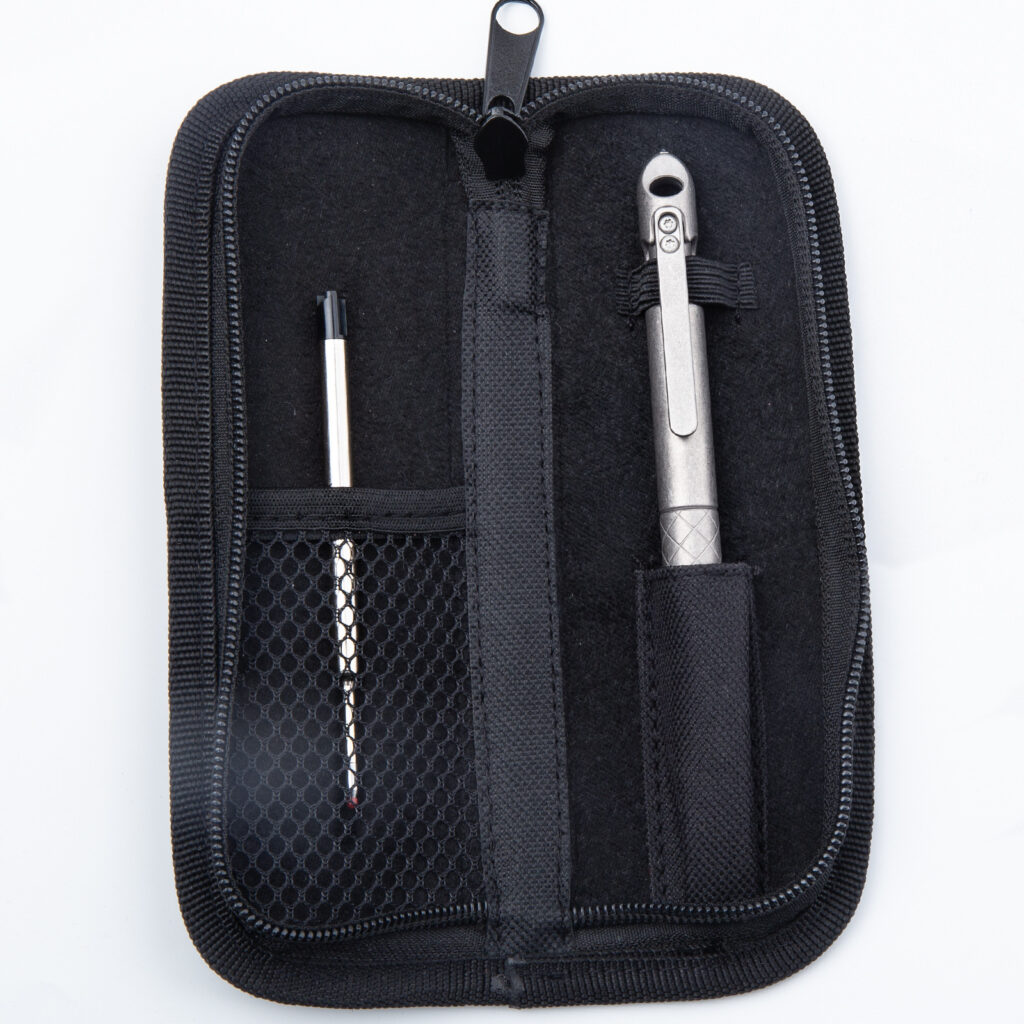
I. Strategic Customization Philosophy: Balancing Aesthetics and Function Tactical pen customization transcends mere decoration, representing a holistic integration of user biomechanics, operational requirements, and personal identity expression through calculated material science interventions. Unlike conventional writing instruments, these modifications demand simultaneous consideration of structural integrity preservation, tactile optimization, and anthropometric alignment, requiring designers to navigate complex trade-offs between decorative depth and […]
I. Precision Disassembly: Systemic Deconstruction Methodology Controlled breakdown precedes all maintenance, requiring specialized tooling and protocols: Inertial Unlocking: Strike the base cap perpendicularly against dense rubber at 1.8-2.2 m/s velocity to overcome friction-locked sections without damaging threads Torque-Regulated Extraction: Apply 0.9-1.3 N·m clockwise rotation using knurled grip wrenches to prevent shaft scoring Component Sequencing: Utilize magnetic sorting trays with labeled sectors […]
I. Metallurgical Architecture: Nano-Engineered Alloys for Maximum Strength-to-Volume Ratio The foundation of any legitimate keychain multi-tool lies in metastable austenitic steels cold-worked to achieve transformational hardening upon stress. Premium units utilize Vanax SuperClean (Uddeholm) – a nitrogen-enhanced corrosion-resistant steel hardened to HRC 62 through cryogenic treatment at -196°C, providing 4.8x the fracture toughness of conventional 440C stainless while maintaining […]
In the evolving landscape of personal security tools, tactical pens stand out for their dual role as writing instruments and discreet self-defense devices. Yet few users realize that how you sharpen these tools determines whether they function as mere pocket jewelry or life-saving instruments. Drawing on metallurgical principles and field testing, this guide details the science-backed methods […]
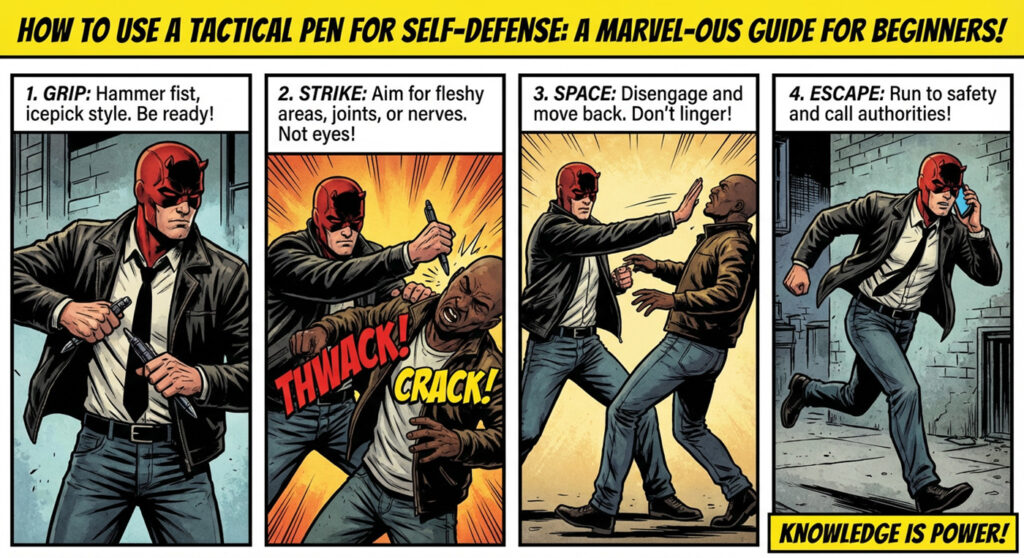
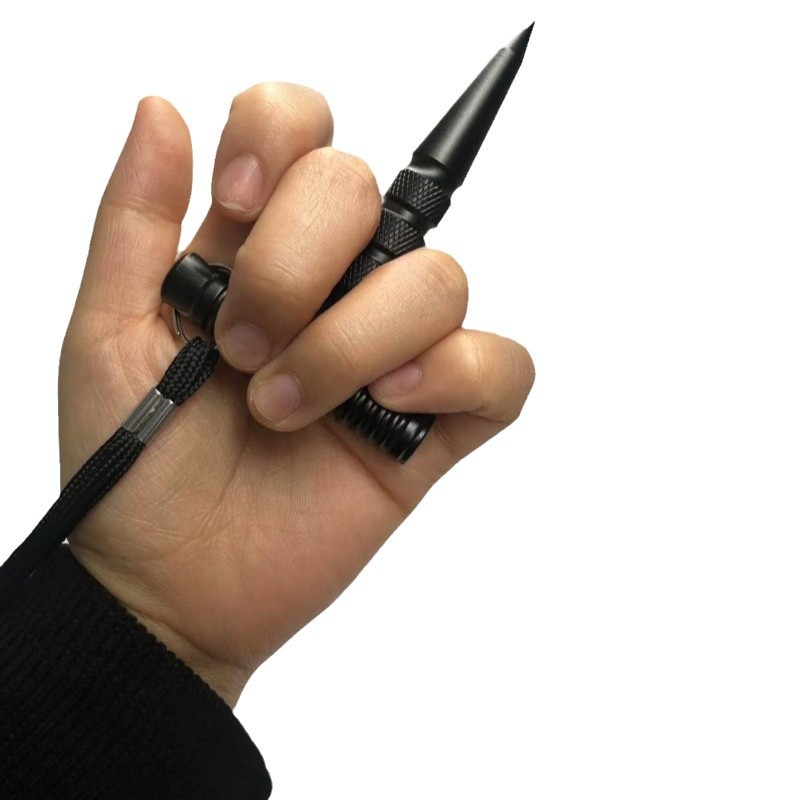
Part 1: Understanding the Tactical Pen and Its Purpose A tactical pen is a discreet, multifunctional tool designed to serve as both a writing instrument and a self-defense weapon. Unlike ordinary pens, it is constructed from durable materials like aircraft-grade aluminum or titanium, often featuring a pointed end, textured grip, and reinforced structure capable of withstanding high-impact […]
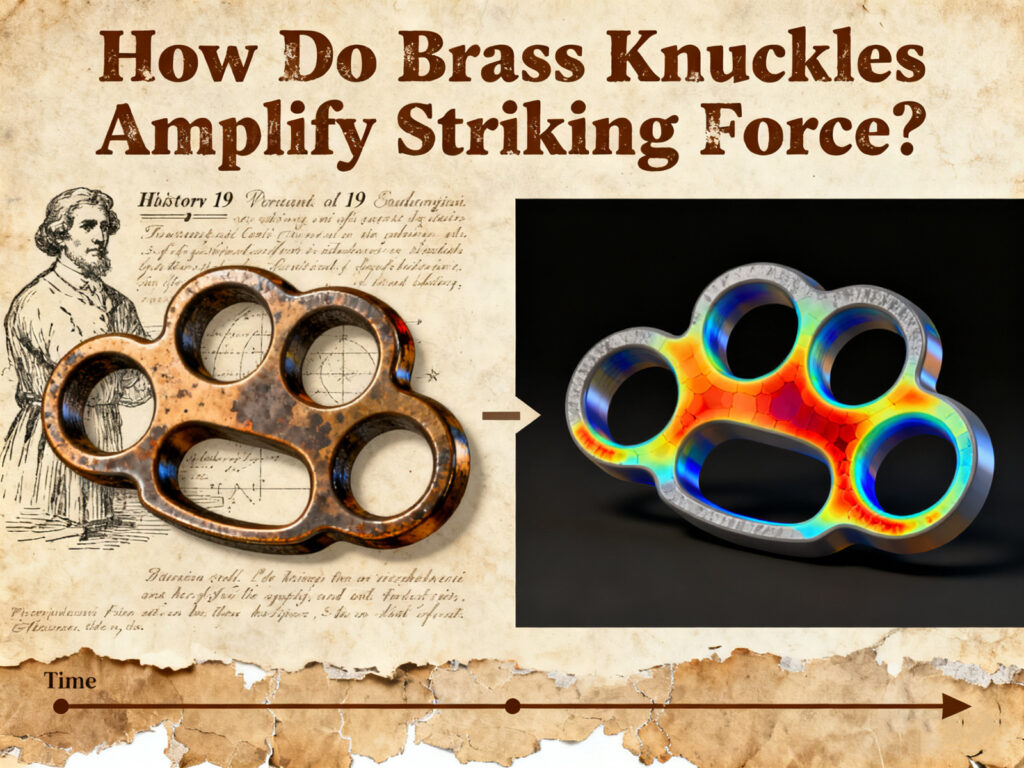
Section 1: Understanding Materials and Weight Brass knuckles, also known as knuckle dusters, are historically made from metal alloys like brass, steel, or aluminum. However, modern replicas often use cheaper materials such as plastic, zinc alloys, or pot metal to cut costs. The material composition is the first indicator of authenticity. 1.1 Metal Density and Weight Authentic brass knuckles have […]