
May
History of Weapons, Weapons Why
The Evolution of Self-Defense Tools in the Digital Age
The Historical Foundation of Personal Protection
The concept of carrying tools for personal protection stretches back through millennia of human history, with our ancestors recognizing the fundamental need to prepare for threats that might materialize without warning during daily activities, travel, or times of social upheaval and conflict that have characterized virtually every era of recorded civilization and likely many periods that preceded written history entirely. From ancient civilizations that developed increasingly sophisticated weapons and protective implements to medieval societies where carrying certain types of armaments became regulated by guild systems and municipal authorities concerned about public safety, the evolution of self-defense tools reflects humanity’s ongoing struggle to balance the desire for personal security against collective concerns about violence and intimidation in public spaces where ordinary citizens conduct their legitimate business and go about their daily lives without fear of victimization by predatory criminals who prey upon the vulnerable and unsuspecting. The brass knuckle represents one of the most enduring designs in this category, having maintained its essential form and function across generations of technological advancement and shifting social attitudes toward personal armament that have transformed the landscape in which these tools exist and the purposes they serve for their owners.
Understanding this historical context proves essential for appreciating how contemporary self-defense tools have developed and why certain designs persist despite competition from newer technologies that might seem superficially superior in their capabilities and features. Traditional implements like the brass knuckle earned their enduring popularity through decades of proven reliability, intuitive operation that requires minimal training to employ effectively, and psychological impact that often proves more valuable than physical capability in deterring potential attackers who assess risk versus reward before deciding whether to proceed with criminal action against an intended victim who appears prepared and capable of mounting effective resistance. The tactile feedback and secure grip provided by well-designed traditional tools create confidence in their users that translates directly into more effective deployment when genuine threats materialize, which explains why these classic designs continue finding appreciative audiences among modern practitioners who appreciate their proven effectiveness and straightforward functionality that newer alternatives sometimes sacrifice in pursuit of additional features that may prove less valuable in actual defensive scenarios.
How Technology Has Transformed Traditional Self-Defense Implements
Modern manufacturing techniques and materials science have revolutionized virtually every aspect of self-defense tool design, enabling contemporary craftsmen and manufacturers to produce implements that offer performance characteristics impossible to achieve using traditional methods and materials that constrained earlier generations of designers working within more limited technological parameters and available resources. Computer-aided design software allows engineers to optimize blade geometry, weight distribution, and structural reinforcement with precision that would have seemed miraculous to craftspeople who relied entirely upon的经验, intuition, and hand-fitting techniques passed down through apprenticeship systems that required decades to master and could never guarantee consistent results across different practitioners working under varying conditions and with different materials sourced from multiple suppliers whose quality standards might fluctuate unpredictably over time. Advanced metallurgy has produced steel alloys and composite materials that combine hardness, toughness, corrosion resistance, and weight reduction in configurations that previous metallurgists could only dream about achieving within practical constraints that limited their ability to experiment with exotic formulations requiring specialized equipment and processing techniques unavailable in their era of practice and professional development.
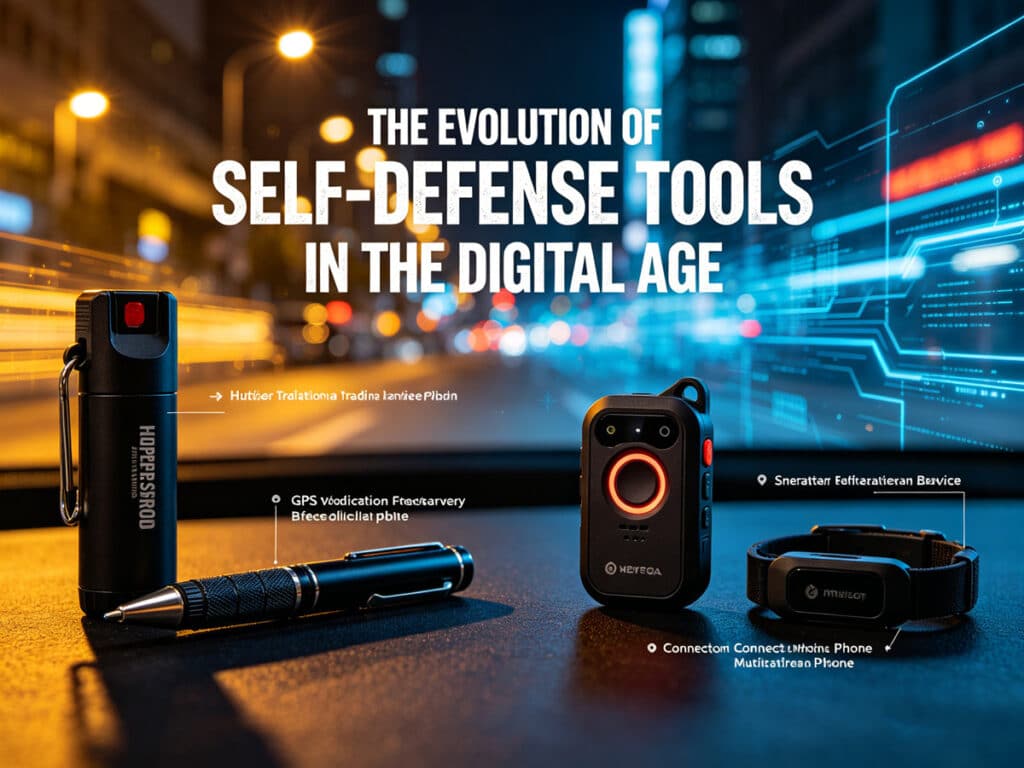
The integration of electronic components into self-defense tools represents perhaps the most dramatic departure from traditional designs, with modern implementations incorporating LED lights, personal alarms, GPS tracking, and even communication capabilities that connect users with emergency services or designated contacts when threatening situations develop beyond their ability to manage independently using purely mechanical implements that lack any capacity for summoning external assistance when circumstances demand intervention from trained professionals equipped to handle serious threats that exceed the capabilities of civilian responders operating without official authority or specialized training. These technological enhancements do not replace traditional mechanical functions but rather supplement them with capabilities that address gaps in the defensive ecosystem that purely physical tools cannot fill, creating comprehensive personal safety solutions that integrate multiple layers of protection into cohesive systems designed to address diverse threat scenarios with appropriate responses calibrated to specific circumstances encountered during actual defensive deployments.
Modern Innovations in Everyday Carry Defense Tools
The everyday carry movement has catalyzed tremendous innovation in self-defense tool design, as millions of individuals worldwide have embraced the philosophy of carrying tools daily that might prove essential during emergencies or simply useful during routine activities that benefit from having appropriate implements readily available whenever needs arise unexpectedly during the course of normal daily life. This cultural shift toward consistent carry has created market demand for tools that balance defensive capability with discretion, comfort, and social acceptability that enables users to carry them throughout their daily routines without generating concern from colleagues, employers, or strangers who might feel uncomfortable around obviously weapon-like implements that project aggressive intentions inappropriate for professional environments, family gatherings, or other social contexts where maintaining appropriate appearances matters for personal and professional reasons that transcend pure defensive considerations and practical utility calculations.
The tactical pen exemplifies this convergence of defensive capability with everyday carry practicality, representing a design philosophy that prioritizes tools which function as normal writing instruments while incorporating features that enable effective defensive use when circumstances demand rapid transition from mundane to protective functions without requiring separate equipment or preparation steps that might prove impossible during surprise attacks that develop too quickly for deliberate response preparation. Quality tactical pens feature aggressive tip geometries, reinforced construction capable of delivering impactful strikes, and sometimes additional features like glass breakers or integrated flashlights that enhance their utility across diverse scenarios that might confront everyday carry practitioners during their daily activities and travels through environments that present varying levels of potential threat from criminal activity, accidents, or natural emergencies requiring evacuation through compromised barriers and obstacles. The subtlety of these designs proves particularly valuable in restrictive jurisdictions where carrying obvious weapons remains prohibited or heavily regulated, enabling prepared citizens to maintain some defensive capability within legal constraints that might otherwise leave them entirely dependent upon law enforcement response times that rarely match the immediacy of criminal attacks requiring instant countermeasures to prevent victimization and serious harm.
Materials innovation has enabled tactical pen manufacturers to produce implements that combine strength with elegance, using aerospace-grade aluminum, titanium alloys, and high-impact polymers that withstand rigorous use while maintaining the refined appearance appropriate for professional environments where carrying obviously defensive equipment might prove awkward or counterproductive for career advancement and interpersonal relationships that benefit from projecting competence and sophistication rather than paranoid preparedness that colleagues might find unsettling or inappropriate for workplace contexts where different norms govern acceptable behavior and equipment choices. This marriage of form and function represents the cutting edge of everyday carry design philosophy, where understanding user psychology and social dynamics proves equally important as engineering excellence in producing tools that people will actually carry consistently rather than leaving at home because their appearance or social implications prove too burdensome for daily use in environments that reward conformity and punish visible deviation from established norms and expectations.
Legal and Social Considerations in the Digital Era
The legal landscape governing self-defense tools continues evolving rapidly in response to changing crime patterns, political pressures, and technological innovations that create novel regulatory challenges for legislators and law enforcement officials struggling to craft policies that balance legitimate security needs against concerns about weapons proliferation and violence prevention that have motivated increasingly restrictive legislation in many jurisdictions worldwide. Understanding these regulations proves essential for anyone considering the acquisition and carry of defensive tools, as violations can result in serious criminal penalties that transform potential protectors into defendants facing charges that may permanently alter their lives through incarceration, fines, and permanent criminal records that limit future employment and housing opportunities while simultaneously failing to provide any meaningful public safety benefit that might justify the restrictions imposed upon ordinary citizens exercising their rights to prepare for contingencies that responsible individuals have always recognized as possibilities requiring appropriate preparation and response capability. The digital age has made accessing legal information easier than ever before, though the complexity and variability of regulations across jurisdictions demands careful research tailored to specific locations where carry might occur rather than reliance upon general information that may prove dangerously inaccurate when applied to particular circumstances governed by local ordinances, state laws, and federal regulations that interact in sometimes contradictory ways requiring expert interpretation to navigate successfully.
Social attitudes toward self-defense tools have shifted dramatically over recent decades, with growing recognition that personal responsibility for one’s own safety does not conflict with but rather complements community safety efforts that cannot rely exclusively upon law enforcement response to protect individuals from criminal predation that develops too quickly for official intervention to prevent harm. This cultural evolution has created space for more open discussion of defensive preparation strategies, though significant stigma persists in certain professional and social contexts where carrying defensive tools remains stigmatized as paranoid, aggressive, or inappropriate for civilized society that should rely upon institutional mechanisms rather than individual armament to maintain public order and personal security. Navigating these social dynamics requires sensitivity to context and judgment about when and with whom to discuss defensive preparations, recognizing that disclosure to inappropriate audiences might generate negative consequences ranging from social awkwardness to professional repercussions that could prove more harmful than any benefit gained from defensive tool carry might provide during the rare circumstances when such implements prove genuinely necessary for preventing serious harm.
Preparing for Tomorrow: Emerging Trends in Self-Defense Technology
The future of self-defense tools promises continued innovation driven by advances in materials science, electronics, connectivity, and design philosophy that will produce implements with capabilities unimaginable to previous generations while raising new questions about appropriate use, legal status, and social implications that society will need to address as these technologies become mainstream and ubiquitous in everyday carry contexts worldwide. Artificial intelligence and sensor technology are already beginning integration into personal safety devices, with emerging products incorporating threat detection algorithms, automatic emergency communication capabilities, and even non-lethal deterrent systems that provide graduated response options calibrated to specific threat levels encountered during daily activities and travels through environments of varying safety profiles and potential hazard exposure levels. These developments represent natural extensions of the technological trajectory that has characterized self-defense tool evolution throughout human history, with each generation building upon previous innovations while introducing novel capabilities that expand the range of options available to prepared individuals facing diverse threat scenarios that require flexible, adaptive responses rather than rigid, predetermined actions that may prove inappropriate for specific circumstances encountered during actual defensive deployments.
The convergence of physical and digital security domains creates both opportunities and challenges for self-defense practitioners who must now consider cyber threats alongside traditional physical dangers when developing comprehensive personal safety strategies that address the full spectrum of risks confronting modern individuals navigating complex, interconnected environments where threats may manifest through multiple vectors simultaneously or in rapid succession that tests the adaptability and preparedness of even well-equipped responders. Training and education will become increasingly important as tool complexity grows, with users requiring deeper understanding of their equipment’s capabilities, limitations, and proper deployment techniques to extract maximum benefit from investments in sophisticated implements that reward expertise while potentially disappointing users who expect intuitive operation without investment in learning the skills necessary to unlock their full potential during critical moments when competent performance matters most for achieving favorable outcomes against determined adversaries or challenging circumstances that demand peak capability from both equipment and operator alike.
For those seeking to explore the full range of modern self-defense tools and discover options that match their specific requirements, circumstances, and experience levels, the comprehensive resources and expert guidance available at brassknucklesmaster.com provide invaluable support for navigating the complex landscape of contemporary defensive equipment, including traditional implements like the classic brass knuckle that continues serving practitioners worldwide alongside innovative designs like the versatile tactical pen that embodies the fusion of practicality and protection characterizing the digital age approach to personal safety and self-defense preparation that responsible individuals increasingly recognize as essential components of comprehensive life management strategies addressing the full spectrum of contingencies that modern existence inevitably presents to those who venture beyond their homes into a world that rewards preparedness while punishing complacency and naive trust in the sufficiency of institutional protections that were never designed to guarantee individual safety in all circumstances but rather to establish baseline security within which responsible citizens must assume appropriate responsibility for their own protection and that of their loved ones who depend upon their judgment and preparation during emergencies that develop without warning and demand immediate, effective response from those who have taken seriously the ancient wisdom that fortune favors the prepared.