
Apr
Knowledge of Weapons
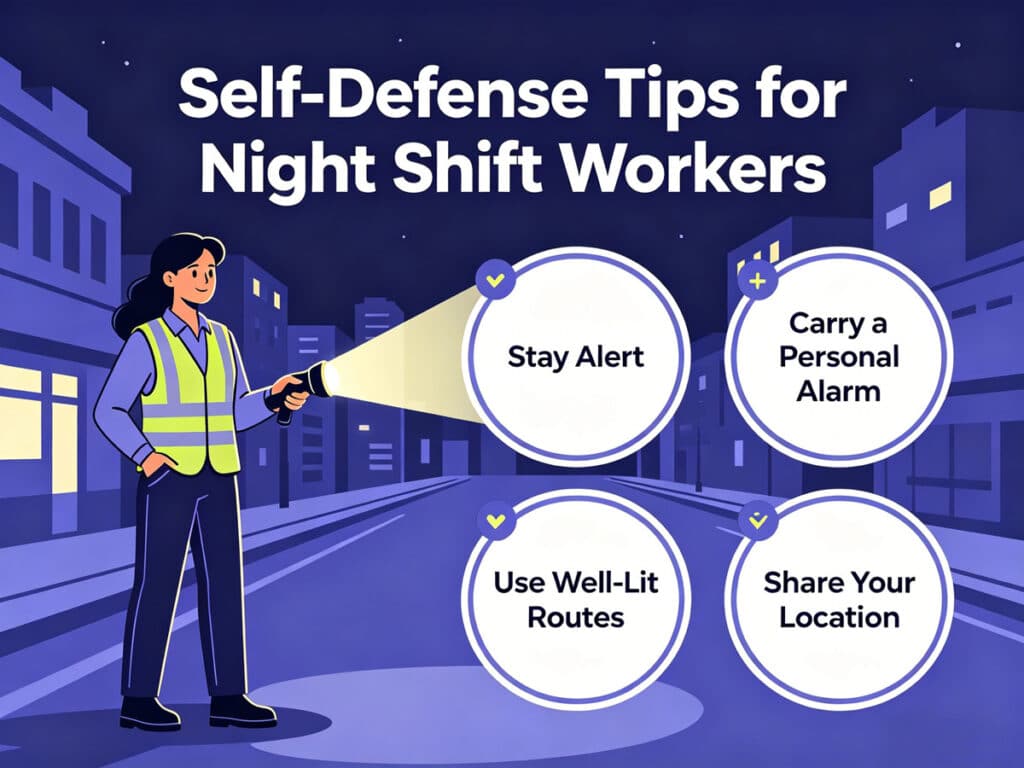
Self-Defense Tips for Night Shift Workers
Working the night shift presents a unique set of challenges that most traditional 9-to-5 employees never have to consider. When you’re walking to your car at 3 AM or navigating dimly lit parking structures after a late shift, the normal rules of personal safety take on heightened importance. Night shift workers across countless industries—from healthcare and hospitality to security and manufacturing—face elevated risks simply because their schedules don’t align with daylight hours. Understanding these risks and developing practical strategies to mitigate them isn’t paranoia; it’s smart, proactive self-care that every night shift professional deserves to prioritize.
This comprehensive guide provides actionable self-defense tips specifically tailored to the realities of working unconventional hours. Whether you’re a nurse finishing a graveyard shift, a security guard completing overnight rounds, or anyone else who earns their living while most of the world sleeps, these insights will help you navigate the darkness with greater confidence and security.
Understanding the Unique Safety Challenges of Night Shift Work
Night shift workers operate in an environment fundamentally different from daytime workplaces, and these differences create specific vulnerabilities that require thoughtful consideration and preparation. The reduced foot traffic during late-night hours means fewer potential witnesses to any incident, which unfortunately can embolden individuals with malicious intentions. Additionally, the natural human circadian rhythm works against night shift workers, as decreased alertness and slower reaction times are physiological responses to working against your body’s natural sleep-wake cycle.
The physical environment itself presents challenges that daylight workers rarely encounter. Parking lots that bustle with activity during business hours become eerily quiet after midnight, creating spaces where predators can operate with less chance of detection. Street lighting may be inadequate in certain areas, and businesses that close for the night eliminate the natural safe zones and populated areas that daytime workers take for granted. Understanding these environmental factors is the essential first step toward developing effective countermeasures that address the specific threats night shift workers face.
Beyond the physical environment, night shift workers often experience social isolation that compounds safety concerns. Public transportation options diminish significantly after certain hours, making it harder to avoid walking alone in isolated areas. Friends and family members are typically asleep, meaning you may have no one immediately available to check in with or call for help if something goes wrong. This combination of environmental and social factors creates a perfect storm of vulnerability that demands intentional safety planning rather than passive hope that nothing bad will happen.
Situational Awareness: Your First Line of Defense
The single most effective self-defense strategy available to any person, regardless of occupation or schedule, is cultivating genuine situational awareness. This means developing the habit of paying constant attention to your surroundings, identifying potential threats before they materialize, and positioning yourself to avoid dangerous situations whenever possible. For night shift workers, this awareness becomes even more critical because the reduced activity around you makes anomalies easier to spot—if you’re paying attention.
Practicing situational awareness involves several concrete habits that become second nature with consistent practice. Before leaving any building, take a moment to scan the area you’ll need to cross, noting where shadows fall, which vehicles are parked, and whether anyone appears to be lingering without apparent purpose. Walk with confidence and purpose, avoiding the distracted behavior of checking your phone or wearing headphones that block environmental sounds. Trust your instincts absolutely—if something feels wrong, it probably is, and your subconscious mind often picks up on danger signals before your conscious thought processes register them.
Developing this awareness also means understanding the patterns of your commute and workplace environment. Note which areas are consistently poorly lit, where blind corners exist, and which routes tend to have the least foot traffic. Once you’ve identified these patterns, you can consciously choose to avoid them when possible or at minimum prepare yourself mentally when you must pass through them. Criminals often target predictable patterns, so varying your routes and schedules when feasible can significantly reduce your risk profile.
Practical Self-Defense Strategies for Night Shift Environments
Beyond awareness, having concrete physical strategies for responding to threatening situations provides crucial backup when de-escalation fails or circumstances escalate unexpectedly. Night shift workers should develop a personal safety toolkit that includes verbal de-escalation techniques, escape strategies, and as a last resort, physical defensive measures that can create opportunities to flee to safety.
Verbal de-escalation represents the first response tier when confronted with a potential threat. Speaking clearly and confidently while maintaining appropriate distance can often discourage opportunistic attackers who are looking for easy targets. Simple phrases like “I need to get past you” or “I’m calling for help right now” assert your boundaries while keeping communication lines open. Avoid aggressive posturing or threatening language that might escalate a situation unnecessarily, but equally avoid appearing passive or submissive, as this can encourage continued aggression.
Escape should always be your primary objective when facing an actual attack. Running toward well-lit, populated areas while making noise attracts attention and potential assistance. If you’re grabbed, targeting vulnerable areas like eyes, throat, and groin can create the momentary distraction needed to break free and flee. The goal is never to win a fight but rather to create an opportunity to escape, and every self-defense technique should be evaluated through this lens of creating escape windows.
Walking Safely to Your Vehicle
The journey from workplace to vehicle represents one of the most vulnerable moments for night shift workers, as you’re transitioning from the relative security of a building into potentially isolated outdoor spaces. Before your shift ends, take a few minutes to prepare your vehicle and route. Check that your keys are readily accessible, and consider parking in well-lit areas near building entrances even if this means walking a bit farther. Many employers will accommodate requests to park closer to doors for night shift workers who express legitimate safety concerns.
When walking to your vehicle, carry your keys in a ready position rather than fumbling through a bag or pockets once you arrive. Scan the area around your car before approaching, checking underneath and through windows to ensure no one is hiding nearby. If anything appears suspicious, return to your workplace and request an escort or wait until you feel comfortable proceeding. Most security-conscious employers will provide escorts for night shift workers upon request, and there’s no shame in using this service.
Workplace Safety Protocols
Your workplace itself should be evaluated for safety vulnerabilities that can be addressed through both procedural changes and physical modifications. Work with management to ensure adequate lighting in all areas where night shift employees work or transit, including hallways, stairwells, parking areas, and break rooms. Establish buddy systems where no employee walks alone during late-night hours, and create clear protocols for checking in at regular intervals when working in isolated areas.
Emergency communication systems deserve particular attention for night shift environments. Ensure that phones are charged and accessible, that emergency contact numbers are memorized or readily available, and that any panic buttons or emergency phones installed in the building are functional and well-marked. Consider establishing personal check-in protocols with trusted friends or family members who agree to contact authorities if you miss scheduled check-ins.
Essential Safety Equipment and Tools
While awareness and strategy form the foundation of personal safety, having appropriate tools available can provide crucial advantages in threatening situations. Night shift workers should carefully evaluate which tools are legal in their jurisdiction and appropriate for their specific work environment, then invest in quality equipment that they’ll actually carry and know how to use effectively.
Personal safety alarms represent one of the most accessible and universally legal options for augmenting your defensive capabilities. These small devices emit extremely loud sounds when activated, potentially startling attackers and attracting attention from anyone nearby. Modern versions are compact enough to attach to keychains or carry in pockets, and their simplicity means they’re reliable under stress. The psychological benefit of carrying such a device can also boost your confidence, which itself contributes to safer behavior and more confident presence.
Legal considerations vary significantly by location regarding other defensive tools, so researching your local laws before purchasing anything beyond basic personal alarms is essential. Some jurisdictions permit certain types of defensive sprays, while others restrict them heavily. The same applies to various impact weapons and other tools that might seem reasonable for self-defense but face legal restrictions. When in doubt, consult local law enforcement or legal resources to understand exactly what you’re permitted to carry.
Everyday Carry Items That Enhance Safety
Beyond dedicated safety tools, many everyday carry items can serve defensive purposes when used appropriately. A sturdy flashlight serves multiple functions—it illuminates dark areas to reveal potential threats, can temporarily blind an attacker when shined in their eyes, and serves as an improvised impact tool if necessary. Quality flashlights designed for everyday carry are relatively inexpensive and provide excellent value for their safety benefits.
For those seeking additional defensive options, certain tools have proven effective when used by trained individuals. A brass knuckle design provides enhanced striking capability and can be legally carried in many jurisdictions for legitimate self-defense purposes. Similarly, a tactical pen combines a functional writing instrument with an impact tool and glass breaker, making it a versatile addition to your everyday carry repertoire. These tools require training to use effectively, so investing time in learning proper techniques is essential before relying on them in actual emergencies.
Building Confidence Through Training and Preparation
Knowledge without practice remains incomplete, and the most effective self-defense strategy combines understanding with muscle memory developed through regular training. Night shift workers who invest in learning practical self-defense skills develop not just techniques but also the confidence that comes from knowing you have options when facing threats. This confidence manifests in body language and presence that itself acts as a deterrent to potential attackers.
Self-defense training should emphasize realistic scenarios relevant to night shift work rather than focusing solely on sport martial arts techniques that may not translate to street encounters. Look for courses specifically designed for everyday self-defense, which typically emphasize awareness, avoidance, de-escalation, and simple but effective techniques that can be executed under stress by people of various physical capabilities. The best self-defense training builds on your existing strengths rather than trying to transform you into a fighter.
Physical fitness contributes significantly to self-defense capability, as better cardiovascular conditioning enables faster flight, stronger strikes, and quicker recovery from exertion. Even modest improvements in strength and endurance translate to meaningful advantages in defensive situations. For night shift workers specifically, maintaining fitness also helps counteract some of the negative health effects associated with working unconventional hours, making it a doubly valuable investment.
Creating a Personal Safety Plan
Effective self-defense ultimately requires more than individual awareness and skills—it demands a comprehensive personal safety plan that addresses the specific circumstances of your night shift work. This plan should be written down, shared with trusted individuals, and reviewed regularly to ensure it remains current and effective. Having a concrete plan eliminates the paralysis that can occur when faced with unexpected threats, allowing you to respond automatically according to predetermined protocols.
Your personal safety plan should include specific routes and transportation methods, emergency contact information for both workplace security and local authorities, check-in schedules with designated contacts, and clear protocols for various threat scenarios. Identify safe locations along your commute where you could seek refuge if needed, and know the locations of police stations, fire stations, and busy 24-hour establishments along your routes. The more specific your plan, the more effectively you’ll be able to execute it under stress.
Regular review and updating of your safety plan ensures it remains relevant as circumstances change. If you change shifts, move to a new residence, or notice changes in your work environment, adjust your plan accordingly. Discuss your plan with the trusted individuals you’ve designated as contacts, ensuring they understand their roles and know how to respond if you fail to check in as scheduled. This network of support provides additional layers of protection beyond your own capabilities.
For night shift workers seeking to enhance their personal safety toolkit with quality defensive equipment, exploring resources at brassknucklesmaster. com can provide access to reliable tools that complement your awareness, training, and planning efforts. Remember that self-defense is ultimately about layered strategies—awareness, skills, tools, and planning all work together to keep you safer in the challenging environment of night shift work.