
Feb
Knowledge of Weapons, Weapons What
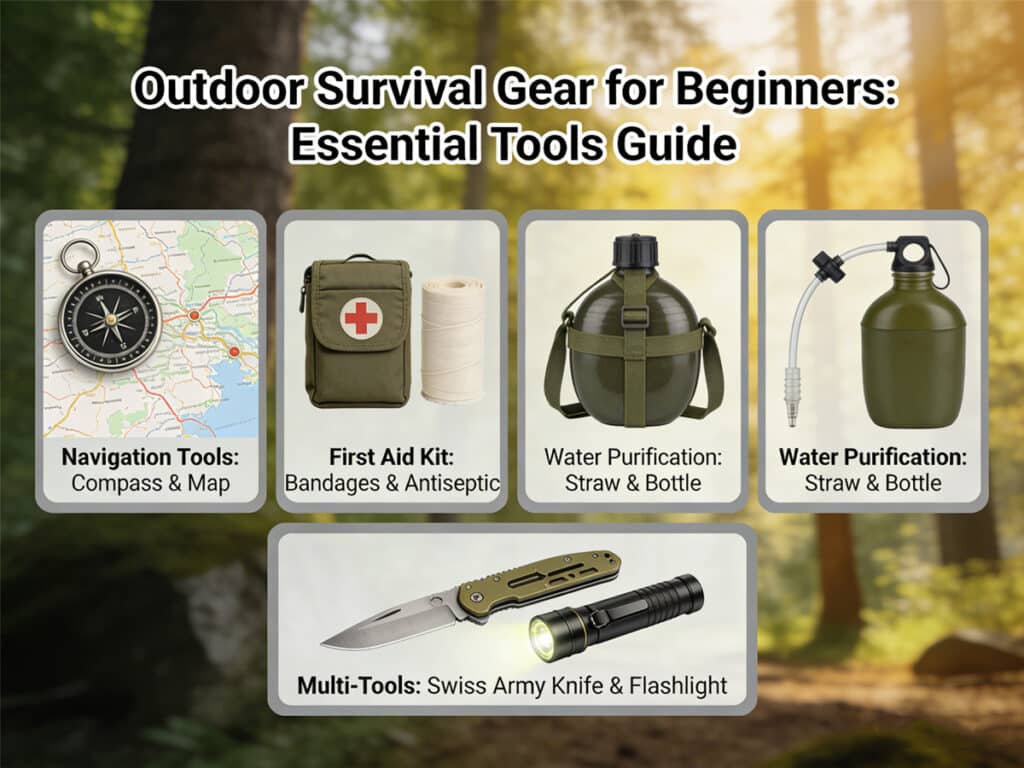
Outdoor Survival Gear for Beginners: Essential Tools Guide
1. Understanding the Purpose of Outdoor Survival Gear
For beginners stepping into the world of hiking, camping, or backcountry exploration, choosing the right outdoor survival gear can feel overwhelming, especially when faced with endless product lists and dramatic marketing claims. The key is to understand that survival gear is not about preparing for extreme scenarios alone, but about ensuring safety, comfort, and self-sufficiency in unpredictable environments.
At its core, survival equipment serves three primary functions: protection from the elements, access to clean water and food, and the ability to signal or respond to emergencies. Rather than overpacking or investing in specialized tools too early, beginners should focus on versatile items that serve multiple purposes. A carefully selected kit reduces stress, improves confidence, and allows newcomers to enjoy outdoor experiences without unnecessary risk.
2. Shelter and Weather Protection Essentials
Protection from wind, rain, cold, and excessive sun exposure is the first priority in any survival scenario.
Reliable Shelter Options
A durable tent, bivy sack, or weather-resistant tarp provides essential protection against the elements. Beginners should prioritize waterproof materials, sturdy poles, and simple setup mechanisms. In unpredictable weather conditions, a dependable shelter can prevent hypothermia, heat exhaustion, and other serious health risks.
Appropriate Clothing Layers
Clothing functions as a mobile shelter. Moisture-wicking base layers, insulating mid-layers, and windproof outer shells allow adaptability across changing temperatures. High-quality rain gear is especially important, as prolonged exposure to wet conditions significantly increases risk in outdoor settings.
By focusing on practical shelter solutions and weather-appropriate clothing, beginners establish a stable foundation for safe outdoor exploration.
3. Water Procurement and Purification Tools
Access to clean water is non-negotiable in any outdoor situation, and dehydration can occur more quickly than many beginners anticipate.
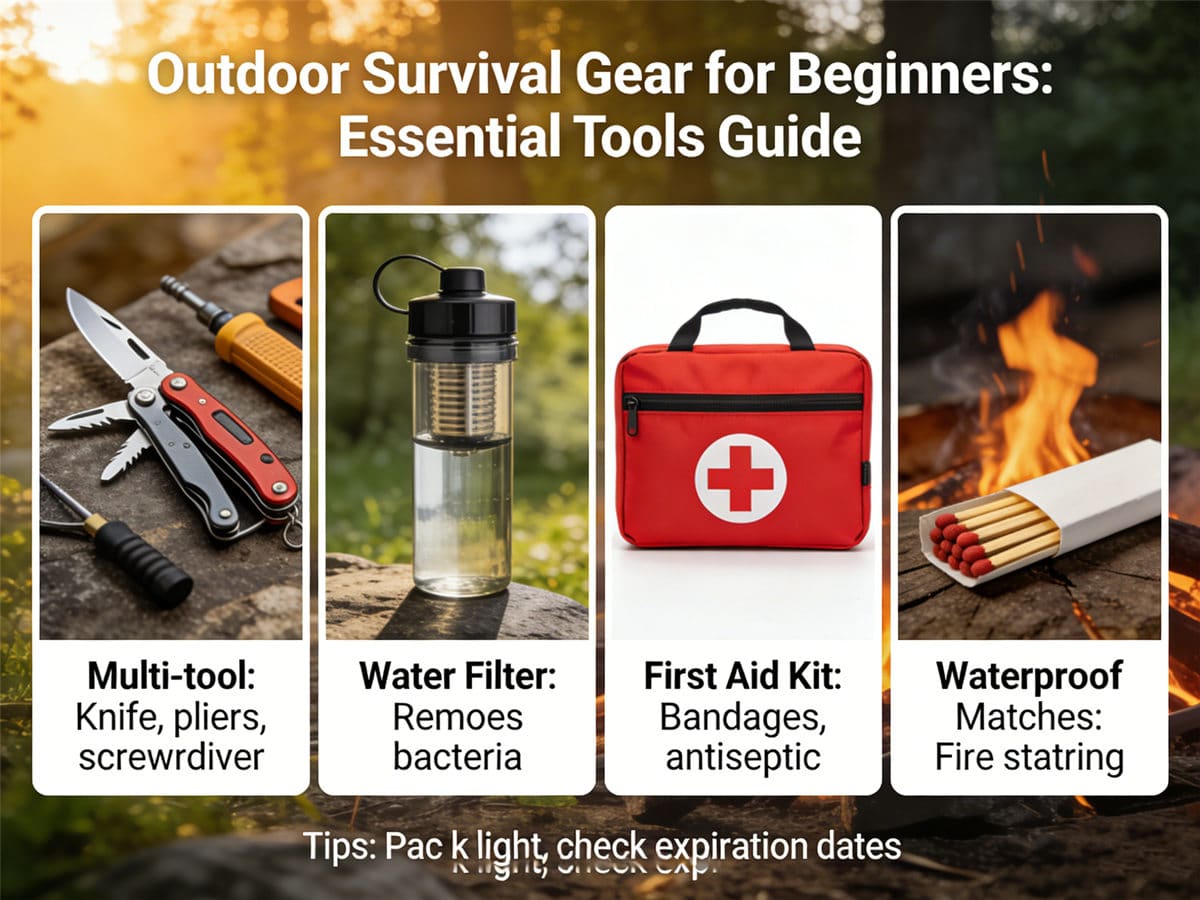
A compact water filter or purification tablets should be considered essential items. Portable filtration systems allow hikers and campers to safely collect water from streams or lakes without carrying excessive weight. Stainless steel or BPA-free water bottles provide durable storage options.
Hydration Planning
Beginners should plan routes based on known water sources whenever possible and carry sufficient backup purification methods. Even on short trips, unexpected delays can increase water needs, so redundancy is a wise strategy.
Reliable hydration tools not only support physical endurance but also enhance mental clarity, which is critical when making decisions in unfamiliar terrain.
4. Navigation and Communication Equipment
Getting lost is one of the most common challenges faced by inexperienced outdoor enthusiasts.
Traditional Navigation Tools
A topographic map and compass remain essential tools, even in the age of smartphones. While GPS devices and mapping apps are valuable, they rely on battery life and signal strength. Learning basic map-reading and compass skills adds a layer of security that technology alone cannot guarantee.
Emergency Communication Devices
For remote adventures, personal locator beacons or satellite communicators provide an additional safeguard. These devices allow users to send distress signals when outside standard cellular coverage areas. Beginners should understand how to operate such equipment before entering remote environments.
Navigation and communication tools are not merely accessories; they form a crucial part of any responsible survival gear kit.
5. Fire-Starting and Cooking Equipment
Fire serves multiple survival functions, including warmth, cooking, water purification, and morale support.
A reliable fire starter, such as waterproof matches or a ferro rod, should always be included in a beginner’s gear list. Carrying multiple ignition sources is advisable in case one fails due to moisture or damage.
Compact Cooking Solutions
Lightweight camp stoves offer a controlled and efficient method for preparing meals and boiling water. While open fires may not always be permitted or practical, a small stove ensures consistent cooking capability. Fuel compatibility and ease of maintenance should be considered when selecting a model.
Proper fire and cooking equipment enhance comfort and sustainability during extended outdoor stays.
6. First Aid and Personal Safety Tools
Accidents can happen even during well-planned trips, making a comprehensive first aid kit essential for beginners.
A basic kit should include bandages, antiseptic wipes, blister treatment, pain relievers, and any personal medications. Knowing how to use these supplies is just as important as carrying them. Beginners may benefit from basic wilderness first aid training to build confidence and preparedness.
Multi-Tools and Practical Implements
A durable multi-tool or fixed-blade knife can assist with gear repairs, food preparation, and general camp tasks. Flashlights or headlamps with spare batteries provide reliable illumination after dark.
Personal safety equipment should prioritize practicality and legality. While some individuals explore defensive tools such as a brass knuckle, it is essential to understand local laws and emphasize responsible ownership. Outdoor gear should primarily support safety, not create unnecessary risk.
7. Building a Balanced Beginner Survival Kit
The goal for beginners is not to assemble the largest kit, but to create a balanced and efficient system that supports core survival needs without excessive weight.
Start with essential categories: shelter, water, navigation, fire, food preparation, and medical supplies. Gradually expand based on experience and specific trip requirements. Investing in quality rather than quantity leads to better long-term performance and reliability.
When researching additional gear or specialized equipment, it is wise to consult reputable sources and retailers. Some online platforms, such as brassknucklesmaters.com, may offer various tools related to personal preparedness, but beginners should always evaluate products carefully, prioritize safety, and ensure compliance with local regulations.
Outdoor survival is ultimately about preparation, awareness, and responsible decision-making. By focusing on fundamental tools and developing practical skills, beginners can approach outdoor adventures with confidence, knowing they are equipped not only with reliable gear but also with the understanding necessary to use it effectively.