Apr
Knowledge of Weapons, Whether Weapons Are Illegal
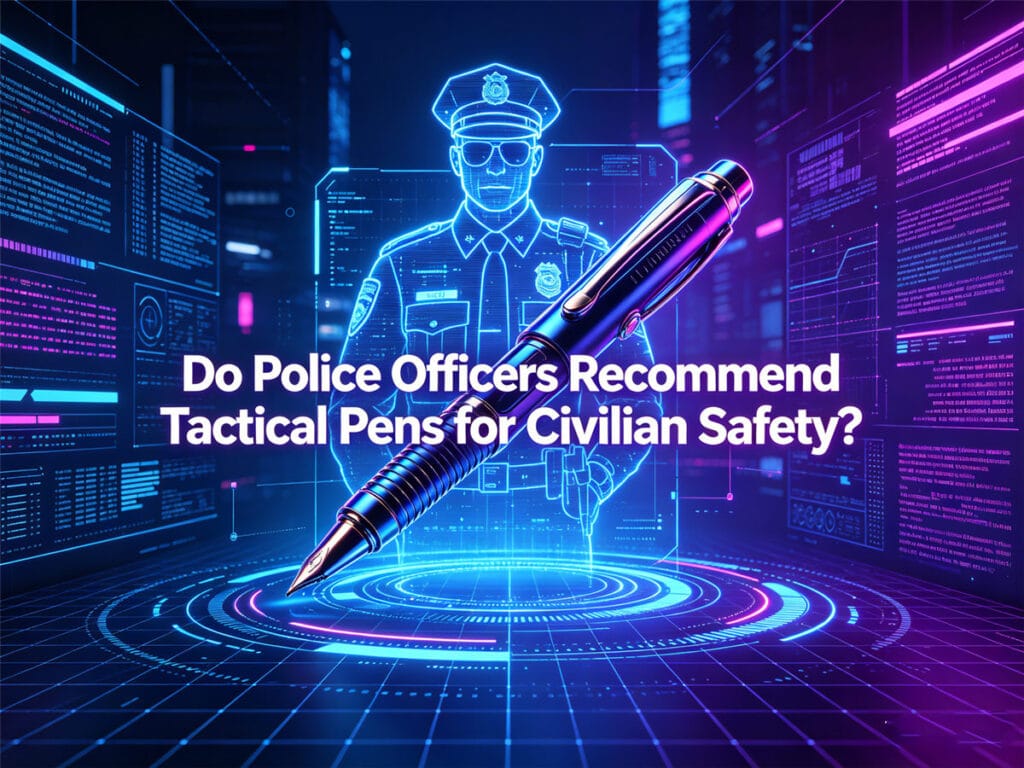
Do Police Officers Recommend Tactical Pens for Civilian Safety?
Understanding the Role of Tactical Pens in Modern Self-Defense
In recent years, the concept of everyday carry (EDC) has evolved significantly, especially among civilians seeking practical and discreet methods of personal protection, and within this context, the tactical pen has emerged as a uniquely versatile tool that blends ordinary functionality with defensive capability. Unlike traditional self-defense weapons that may be restricted or draw unwanted attention, a tactical pen is designed to appear like a standard writing instrument while incorporating reinforced materials and features such as glass breakers and pointed ends, which can be used in emergency situations.
From a law enforcement perspective, tools that emphasize accessibility, legality, and ease of use tend to be more suitable for civilian adoption, and tactical pens align closely with these criteria, particularly for individuals who prioritize subtlety and portability without sacrificing preparedness. However, whether police officers actively recommend them requires a deeper exploration into professional viewpoints, training standards, and real-world applications.
Law Enforcement Perspectives on Civilian Self-Defense Tools
Police officers are generally cautious when recommending self-defense tools to civilians, not because such tools lack value, but because improper use or misunderstanding of their purpose can lead to unintended consequences. That said, many officers acknowledge that certain tools—when used responsibly—can enhance personal safety, especially in unpredictable environments.
Practicality Over Aggression
Law enforcement professionals often emphasize that self-defense tools should serve as deterrents or last-resort options, rather than primary means of confrontation, and in this regard, the tactical pen is viewed favorably because it does not inherently escalate a situation but remains available if needed.
Training and Responsibility
Officers also stress that no tool replaces awareness, judgment, and situational control, and while a tactical pen may be effective in trained hands, civilians are encouraged to understand basic defensive techniques before relying on any physical instrument.
Why Tactical Pens Appeal to Both Officers and Civilians
One of the main reasons tactical pens are frequently discussed in both civilian and professional circles is their ability to bridge the gap between utility and defense, offering a dual-purpose design that aligns with real-world needs.
Discreet Design
Unlike more obvious self-defense items, a tactical pen does not attract attention, making it suitable for environments where carrying overt tools may be inappropriate or restricted.
Ease of Carry
Its compact size allows it to fit naturally into pockets, bags, or notebooks, ensuring that it is always within reach without requiring special storage considerations.
Legal Accessibility
In many regions, tactical pens fall into a category of tools that are less regulated compared to other self-defense items, although users must still verify local laws.
Effectiveness in Real-Life Scenarios
The effectiveness of a tactical pen depends largely on context, user awareness, and the ability to respond quickly under pressure, which are factors that law enforcement professionals frequently highlight when discussing civilian safety.
Close-Range Defense
Tactical pens are designed for close-contact situations, where quick, controlled movements can create an opportunity to disengage and escape, rather than engage in prolonged conflict.
Emergency Utility
Beyond self-defense, these tools can be used to break glass in emergencies, such as vehicle accidents, which adds an additional layer of practical value that resonates with both civilians and first responders.
Psychological Confidence
Carrying a discreet self-defense tool can enhance a person’s sense of confidence, which in itself can contribute to better situational awareness and decision-making.
Limitations and Considerations
Despite their advantages, tactical pens are not without limitations, and understanding these is crucial for making informed decisions about personal safety.
Skill Dependency
Unlike alarms or sprays, a tactical pen requires physical interaction, meaning the user must be prepared to act decisively and effectively under stress.
Situational Constraints
In scenarios involving multiple threats or long-distance danger, a tactical pen may not provide sufficient protection, which is why officers often recommend combining tools with broader safety strategies.
Legal Variability
Although generally permissible, regulations can vary significantly between regions, and responsible ownership requires awareness of these differences.
Professional Advice for Choosing and Using Tactical Pens
Police officers and security professionals often provide general guidance for civilians considering tactical pens as part of their safety approach.
Choose Quality Materials
A reliable tactical pen should be constructed from durable materials such as aircraft-grade aluminum, ensuring that it can withstand pressure without failure.
Practice Basic Techniques
Even minimal training can significantly improve effectiveness, particularly in understanding grip, control, and targeting safe escape opportunities.
Prioritize Awareness
No tool can replace situational awareness, which remains the most important factor in avoiding dangerous situations altogether.
Integrating Tactical Pens into a Broader Safety Strategy
While tactical pens offer clear advantages, they are most effective when used as part of a comprehensive personal safety plan, rather than as standalone solutions. Law enforcement professionals consistently emphasize layered approaches to safety, which may include awareness training, avoidance strategies, and, when appropriate, complementary tools.
In practical terms, civilians often combine a tactical pen with other discreet items such as alarms or compact accessories to create a balanced and adaptable defense system that aligns with their daily routines and environments. The key is not to rely solely on any single tool, but to understand how different options can work together to enhance preparedness without increasing risk.
Ultimately, while police officers may not universally “recommend” any specific tool, many acknowledge that items like tactical pens can be useful, practical, and appropriate for civilian safety, provided they are used responsibly and supported by awareness and training. For individuals exploring additional options, tools such as brass knuckle, expanded Baton, and Keychain accessories are sometimes considered within broader discussions of personal defense, though each comes with its own considerations regarding legality, usability, and context.