
May
Knowledge of Weapons, Weapons How
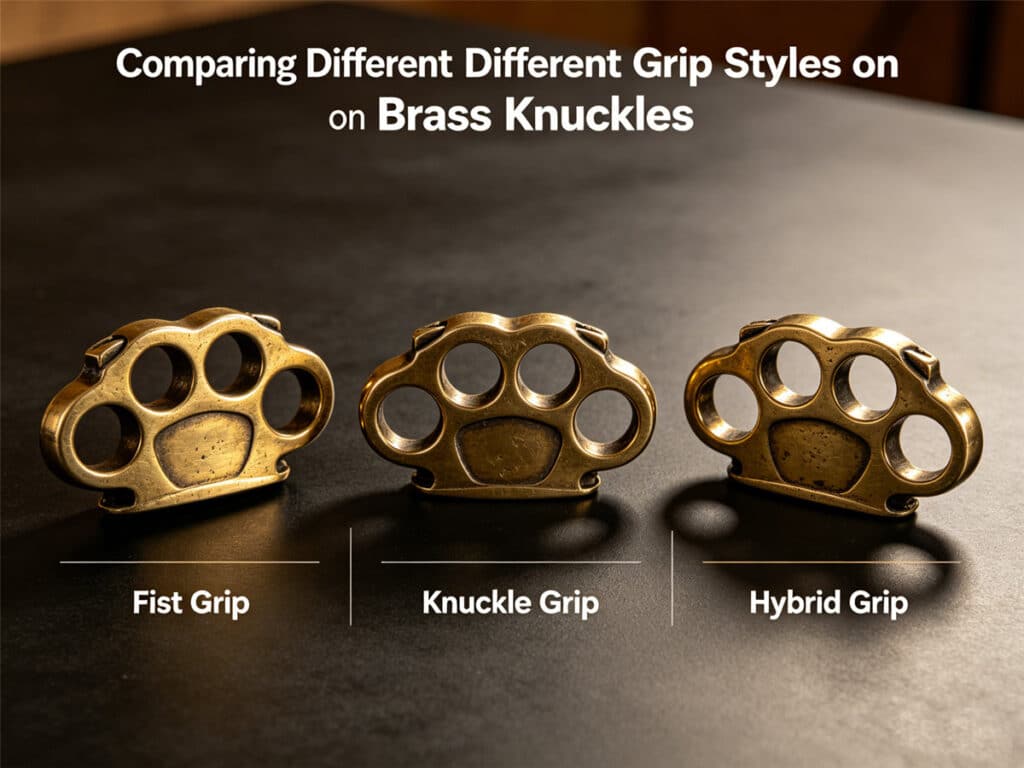
Comparing Different Grip Styles on Brass Knuckles
Understanding the Design and Purpose of Brass Knuckles
Brass knuckles have long been recognized as compact, rigid hand tools designed to fit over the fingers, traditionally associated with enhancing grip strength and protecting the hand during impact, although their use is heavily regulated or restricted in many regions due to safety and legal concerns. While often portrayed in popular culture as aggressive tools, from a design perspective they are essentially about distributing force across the hand and reducing strain on individual fingers.
In modern discussions, interest in brass knuckles often overlaps with topics such as personal gear design, ergonomics, and even collectible craftsmanship, especially as materials, finishes, and grip variations have evolved. Understanding how grip styles differ is less about promoting use and more about examining how design influences comfort, control, and handling characteristics, particularly for collectors, designers, and enthusiasts studying form and function.
Why Grip Style Matters in Brass Knuckle Design
Grip style plays a central role in how brass knuckles feel in the hand, as subtle differences in shape, spacing, and contour can significantly affect comfort and stability. A well-designed grip distributes pressure evenly across the fingers and palm, which can reduce fatigue and improve handling consistency during any form of controlled use or display handling.
From a design standpoint, grip variations also reflect different priorities, such as compactness, ergonomic fit, or aesthetic appeal, and these priorities often influence how the tool is shaped and balanced. Some designs focus on minimalism and portability, while others emphasize a more sculpted form that conforms closely to the natural shape of the hand.
Because of these differences, grip style is often one of the most discussed aspects among collectors and reviewers, as it directly impacts the overall experience of holding and evaluating the piece.
Common Grip Styles and Their Characteristics
Straight Bar Grip
The straight bar grip is one of the most traditional and recognizable forms, featuring a uniform structure where the finger holes are aligned in a straight row with minimal contouring. This style is often appreciated for its simplicity and symmetrical design, making it easier to manufacture and widely available.
However, from an ergonomic perspective, the straight bar grip may feel less natural for some users, as it does not always align perfectly with the varying lengths and angles of the fingers. Despite this, its clean and classic appearance continues to make it popular among collectors.
Ergonomic Contoured Grip
The ergonomic contoured grip is designed to follow the natural curvature of the hand, with finger holes positioned at slightly different angles or depths to match finger alignment. This results in a more comfortable hold and improved stability, especially during extended handling.
Designers who focus on ergonomics often incorporate subtle curves and palm supports, which can make the piece feel more integrated with the hand. This style is typically favored by those who prioritize comfort and refined craftsmanship.
Wide Spaced Grip
Wide spaced grips feature increased distance between finger holes, allowing for a looser fit that can accommodate different hand sizes. This design can feel less restrictive and may provide a different sense of balance when held.
While this style offers flexibility, it may not provide the same level of snugness as more compact designs, which can influence how secure the grip feels depending on the user’s hand size.
Compact or Keychain Style Grip
Compact designs, often associated with portability, reduce overall size and may include features that allow them to be attached to everyday carry items. These grips typically prioritize convenience over full-hand coverage.
Because of their smaller form factor, they may feel less substantial in the hand, but they appeal to those who value discreetness and multifunctional design elements.
Material and Finish Impact on Grip Feel
Beyond shape, the material used in brass knuckles plays a major role in how the grip feels and performs. Traditional brass offers a certain weight and smoothness that many collectors appreciate, while other materials such as aluminum or steel can introduce variations in weight distribution and surface texture.
Finishes also contribute to grip quality, as polished surfaces may look visually appealing but can feel slick, whereas textured or matte finishes provide additional friction and control. Some designs incorporate knurling or patterned surfaces to enhance grip without altering the overall shape.
The combination of material and finish often determines whether a piece feels solid and secure or light and decorative, making it an important factor when comparing different grip styles.
Ergonomics, Comfort, and Handling Considerations
Finger Alignment and Pressure Distribution
One of the key aspects of a well-designed grip is how it aligns with the natural positioning of the fingers, as poor alignment can create uneven pressure points that lead to discomfort. Designs that account for finger length variation tend to offer a more balanced and comfortable experience.
Palm Support and Stability
Some grip styles extend beyond the finger holes to include a broader surface that rests against the palm, providing additional stability and reducing strain. This feature can make the piece feel more secure, especially when held for longer periods.
Weight Balance
Weight distribution is another critical factor, as a well-balanced design feels easier to control and more comfortable to hold. Heavier materials may provide a sense of durability, while lighter options can improve portability and ease of handling.
Legal, Practical, and Design Perspectives
It is important to recognize that brass knuckles are subject to strict legal regulations in many countries and regions, and their possession, sale, or use may be restricted or prohibited. Anyone interested in these items should always check local laws and regulations before acquiring or handling them.
From a practical standpoint, many modern discussions around brass knuckles focus more on their design, craftsmanship, and role as collectible or novelty items rather than functional tools. This shift has led to increased interest in creative designs, unique finishes, and hybrid forms that blend aesthetics with everyday carry concepts.
In this broader context, items such as keychain tools and tactical pen designs often attract similar attention for their compactness and multifunctional appeal, offering alternatives that align more closely with legal and practical everyday use. For those exploring design variations, platforms like brassknucklesmaster.com provide insight into different styles and interpretations, helping enthusiasts better understand how form, material, and grip design come together in these distinctive pieces.