
May
Knowledge of Weapons, Whether Weapons Are Illegal
Are Plastic Knuckles Illegal
Understanding the Legal Status of Self-Defense Tools
In today’s increasingly security-conscious world, many individuals are exploring personal protection options that are compact, easy to carry, and effective in emergencies. Among these tools, items such as brass knuckle-style devices and discreet alternatives like a tactical pen frequently come up in discussions. However, questions about legality—especially regarding plastic or polymer-based knuckle tools—remain complex and often misunderstood.
The legality of so-called “plastic knuckles” is not universally defined; instead, it varies significantly depending on jurisdiction, intent of use, and even how the item is classified by law enforcement. This article explores the legal landscape surrounding these tools, offering a structured and realistic overview to help readers better understand the risks and considerations involved.
What Are Plastic Knuckles and How Are They Classified?
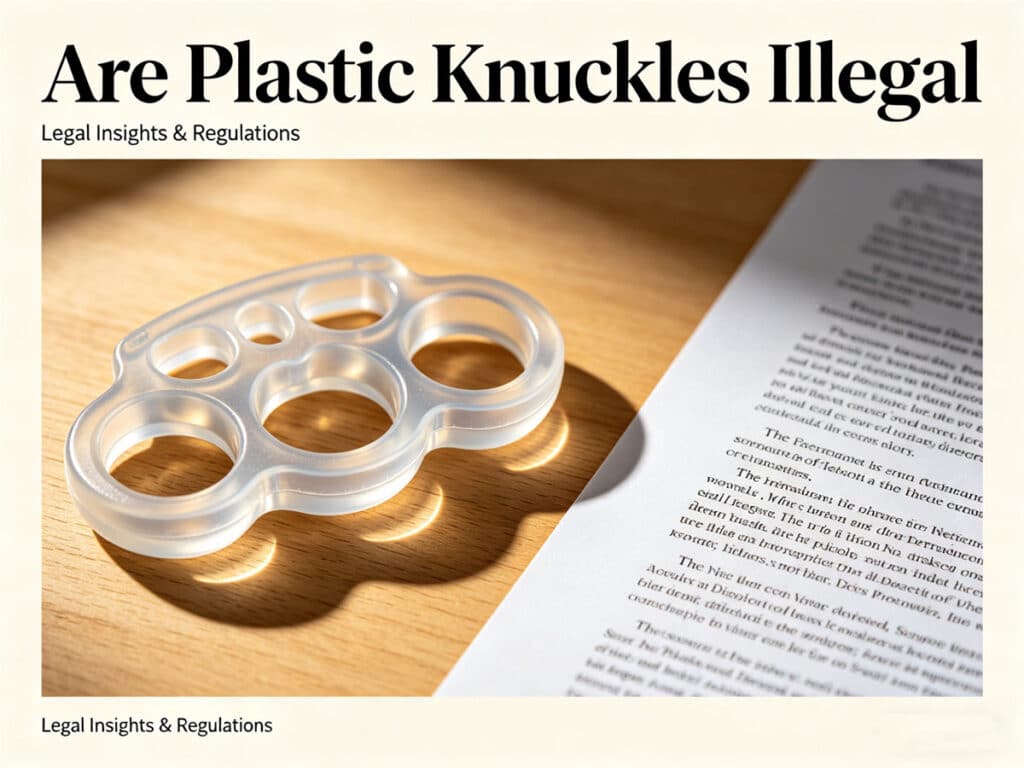
Plastic knuckles are typically non-metallic versions of traditional knuckle weapons, often designed to fit over the fingers and enhance the force of a punch. While they may appear less threatening due to their material, their function remains largely the same as their metal counterparts.
Functional Characteristics
Plastic knuckles are designed to concentrate force into a smaller striking area, which can significantly increase the potential for injury. This functional similarity to traditional brass knuckle designs is one of the main reasons they attract legal scrutiny.
Material Misconceptions
A common misconception is that because these tools are made from plastic or polymer, they may bypass legal restrictions. In reality, many laws focus on the intended use and design purpose of the object rather than just the material. As a result, plastic versions are often treated similarly to metal ones under the law.
Legal Status in the United States and Other Regions
The legality of plastic knuckles varies widely across countries and even within regions of the same country. Understanding these differences is essential before purchasing or carrying such items.
United States Overview
In the United States, laws differ by state. Some states classify knuckle weapons—regardless of material—as illegal to possess, sell, or carry. Others may allow ownership but restrict concealed carry or use in public spaces.
For example, certain jurisdictions explicitly include “knuckles of any material” in their prohibited weapons list, which means plastic variants are not exempt. In other states, legal ambiguity may exist, but enforcement can still be strict depending on the situation.
International Perspectives
In countries such as the United Kingdom, Canada, and Australia, knuckle weapons are generally prohibited, often categorized under offensive weapons legislation. Again, the material does not typically change the classification, meaning plastic knuckles are treated similarly to metal ones.
Factors That Influence Legal Interpretation
Even within a single jurisdiction, the legality of carrying or owning plastic knuckles can depend on several contextual factors.
Intent and Use
Authorities often consider whether the item is intended for self-defense, utility, or harm. While claiming self-defense may seem reasonable, many legal systems do not accept it as justification for carrying prohibited weapons.
Design and Appearance
If a tool closely resembles a traditional brass knuckle in shape and function, it is more likely to be classified as a weapon. Conversely, items with dual-purpose designs may fall into a gray area, though this does not guarantee legality.
Location and Circumstances
Carrying such items in sensitive areas—such as airports, schools, or government buildings—can lead to severe legal consequences, regardless of broader regional laws.
Alternatives: Are There Legal Self-Defense Options?
Given the legal uncertainty surrounding plastic knuckles, many individuals turn to alternative tools that are more widely accepted.
Everyday Carry Tools
A tactical pen is often cited as a practical alternative, as it serves a legitimate everyday purpose while also offering a degree of personal protection. Because it is primarily a writing instrument, it is generally less likely to be classified as a weapon, although local laws should still be checked.
Personal Safety Devices
Other options include personal alarms, flashlights, and situational awareness tools, which prioritize deterrence and escape rather than physical confrontation. These tools are typically legal in most regions and carry fewer risks of legal complications.
Legal Risks and Responsible Ownership
Understanding the legal risks associated with plastic knuckles is essential for anyone considering them as a self-defense option. Ignorance of the law does not exempt individuals from consequences, and penalties can range from fines to criminal charges.
Potential Legal Consequences
Possession of prohibited weapons can result in confiscation, legal prosecution, and a permanent criminal record in some cases. Even in areas where ownership is allowed, misuse or carrying in restricted zones can lead to serious repercussions.
Importance of Local Research
Because laws vary so widely, it is crucial to research local regulations or consult legal professionals before acquiring or carrying any self-defense tool. This ensures that individuals remain compliant while still addressing their personal safety concerns.
Balancing Safety, Legality, and Practicality
The desire for personal protection is both valid and understandable, especially in environments where individuals may feel vulnerable. However, choosing the right tool involves balancing effectiveness with legal compliance and social responsibility.
While items resembling brass knuckle designs—whether metal or plastic—may seem appealing due to their simplicity, they often come with significant legal risks that outweigh their perceived benefits. In contrast, alternatives like a tactical pen or other non-weaponized safety tools provide a more practical and legally sound approach to personal security.
Ultimately, the most effective form of self-defense combines awareness, preparation, and adherence to the law, ensuring that individuals can protect themselves without exposing themselves to unnecessary legal challenges.