Nov
Knowledge of Weapons
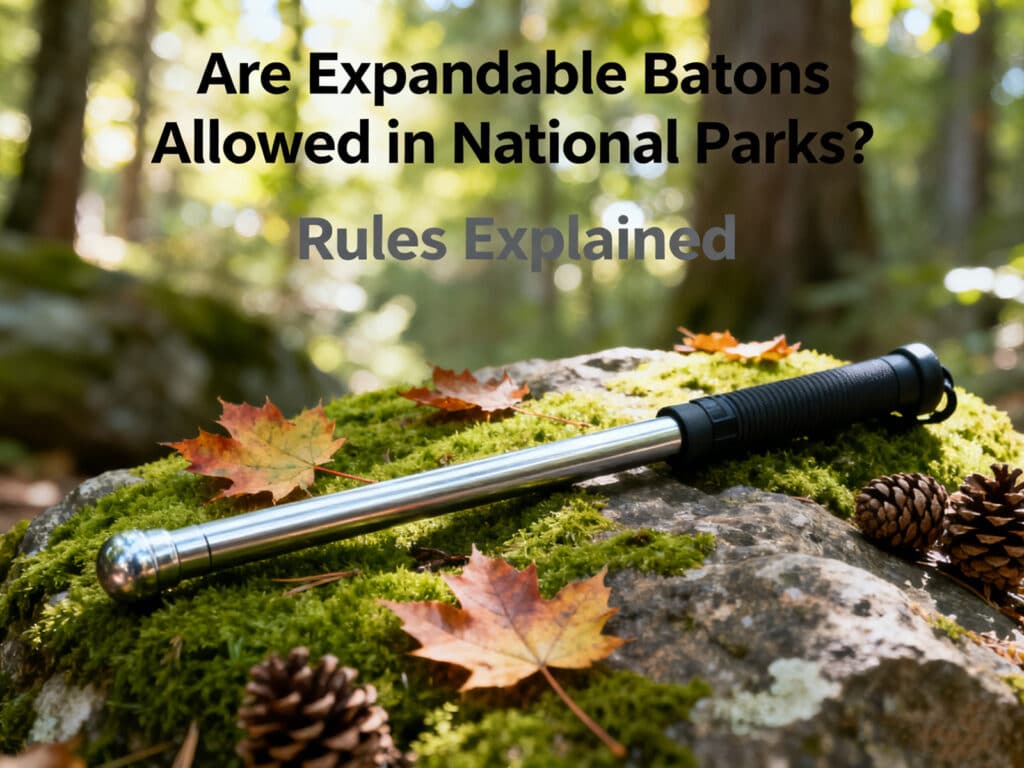
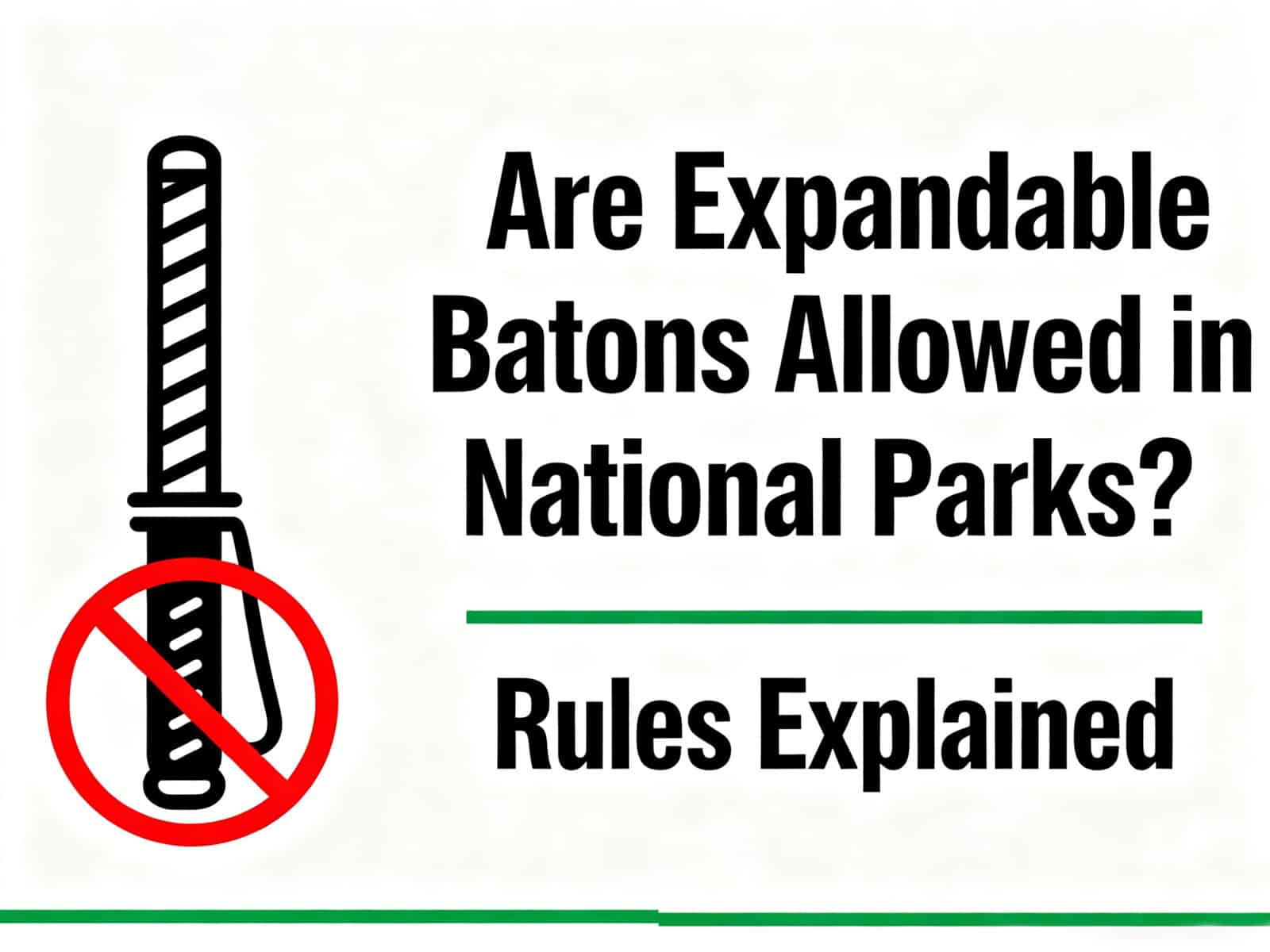
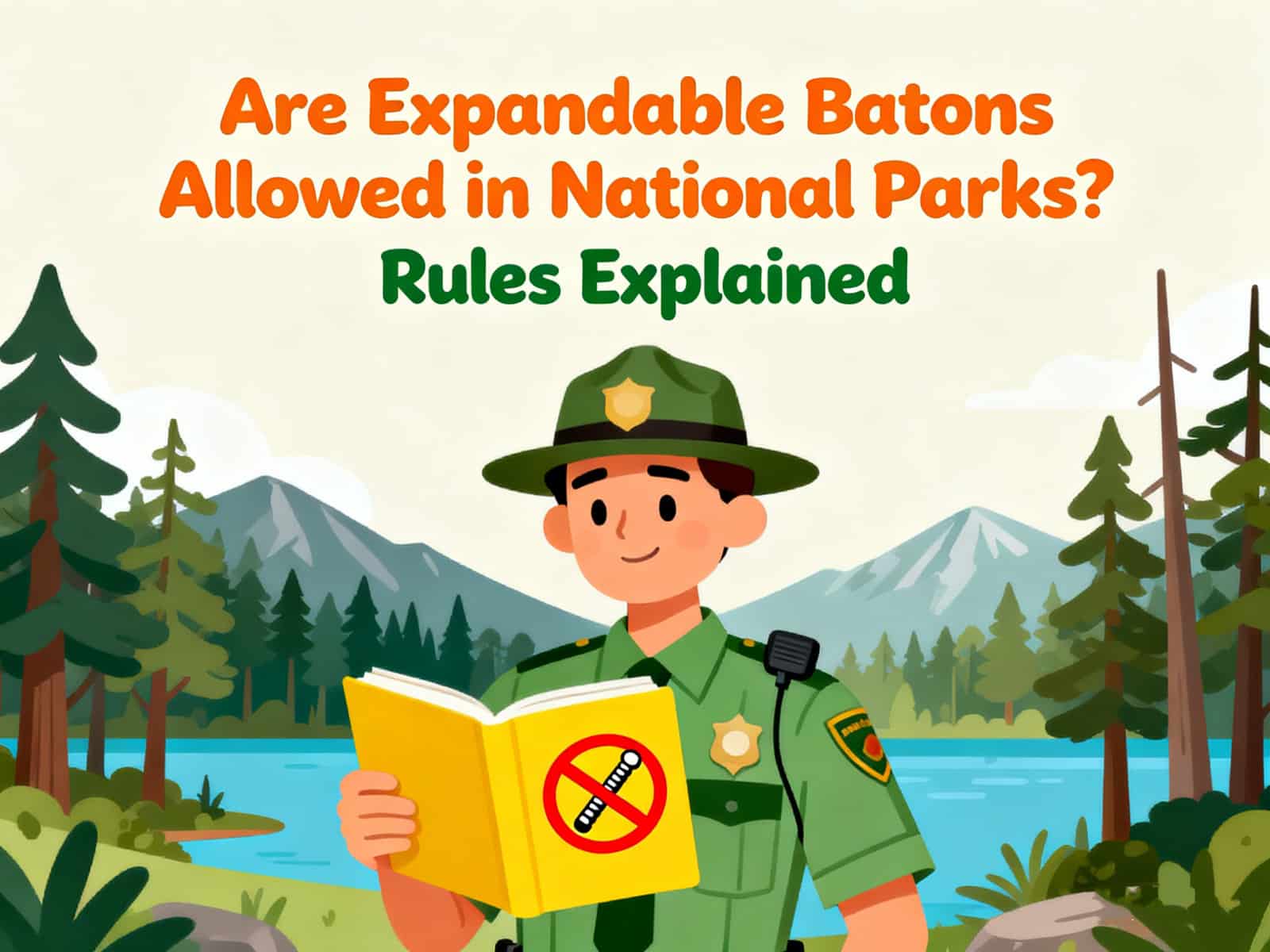
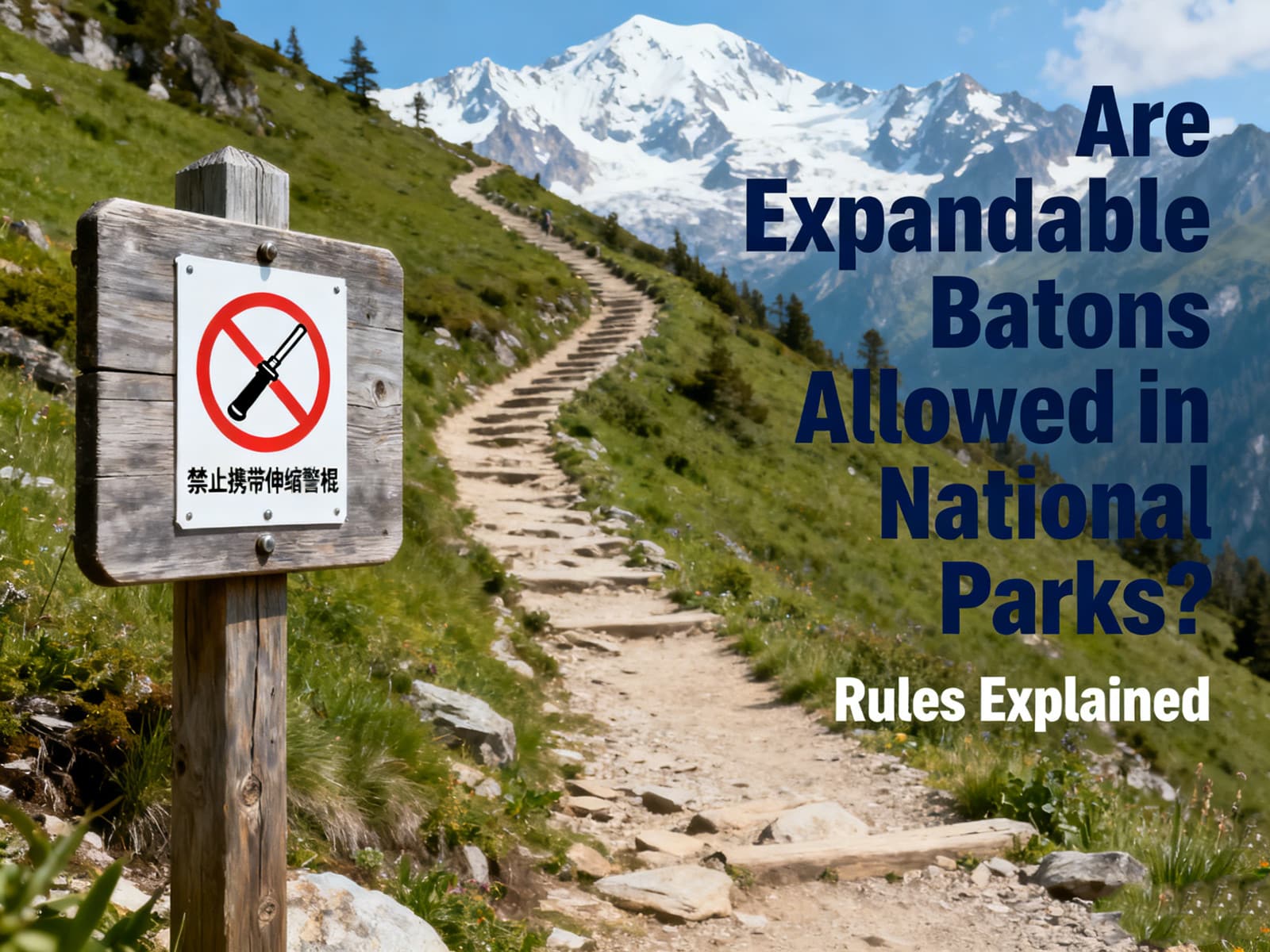
Are Expandable Batons Allowed in National Parks? Rules Explained
The legality of carrying an expandable baton (also known as a telescopic or collapsible baton) in U.S. national parks is not a simple yes-or-no question—it depends heavily on how weapons are regulated under federal law, combined with how the National Park Service (NPS) implements those regulations in each park, and how state and local laws apply. Many park visitors assume that because firearms regulations in national parks are fairly well-publicized, all weapons are either allowed or banned—but expandable batons fall into a more ambiguous space. Navigating that ambiguity responsibly requires understanding the regulatory landscape, NPS policy, and enforcement practices.
In this post, we’ll explore the relevant regulations, the NPS perspective, and some key practical and legal risks for anyone wondering whether carrying such a baton in a national park is permissible or advisable.
1. The Regulatory Framework: Weapons in National Parks
To begin, it’s crucial to understand how the National Park Service regulates “weapons” at the federal level.
Federal Regulation – 36 CFR 2.4
Under Title 36 of the Code of Federal Regulations, Section 2.4, the NPS controls “Weapons, Traps, and Nets.” According to the Superintendent’s Compendium for many parks, the rule is that park visitors may carry weapons only “in compliance with federal, state, and local laws.” (NPS Server)
This means that whether or not a particular item is allowed in a park often depends not only on NPS policy but on the relevant state laws where the park is located. There is no blanket NPS regulation explicitly permitting or banning expandable batons.
Firearm vs Other Weapons Distinction
While the NPS has recently clarified its policies on firearms (visitors may possess firearms in park units as long as they comply with applicable state law) (home.nps.gov), this does not automatically mean that all weapons are treated equally under NPS regulations. For example, in Yosemite National Park, the weapons policy explicitly prohibits “implements designed to discharge missiles,” but this does not necessarily speak to impact devices such as batons.
Because federal and NPS weapons regulations are structured around broad categories like “other weapons,” understanding whether batons are allowed typically requires checking both the park’s Superintendent’s Compendium and state statutes.
2. How National Park Service Enforces Baton-Type Devices
Knowing the regulations is only part of the picture: actual enforcement and interpretation by NPS staff matter a great deal when it comes to less common weapons like expandable batons.
Role of Local Park Policy
Each national park maintains a Superintendent’s Compendium, which translates the broad federal regulations (like 36 CFR 2.4) into site-specific rules and lists any additional restrictions or allowances for weapons. Some parks may explicitly prohibit certain “weapons” in their compendium, while others may leave the matter ambiguous.
If a park’s compendium does not explicitly mention impact devices such as expandable batons, that absence does not necessarily guarantee they are allowed — it may simply mean the topic has not been addressed. Visitors who intend to carry unusual or non-firearm defensive equipment face a risk if they rely on ambiguity.
Enforcement by Park Rangers
According to the NPS General Orders for law enforcement, park rangers and other uniformed personnel are authorized to carry approved batons, but these are limited to force-issued models for use in law enforcement contexts — not the kind of baton a civilian visitor would carry. This distinction is important: what is permissible for NPS personnel under use-of-force rules is not the same as what legal visitors can carry.
Because of this, if a park visitor shows up with an expandable baton, they may be subject to scrutiny or even confiscation depending on the attitudes of individual rangers, park rules, and local laws — even if there is no clear written prohibition.
3. State Laws and Their Influence
Since NPS policy allows weapons carriage if consistent with applicable state law, understanding state-level statutes is essential when considering batons in national parks.
Variation by State
Whether expandable batons are legal in a particular national park may depend entirely on the state in which that park is located. Some states treat collapsible batons (or “clubs”) as prohibited weapons; others allow them with varying restrictions. For example, in some states, expandable batons are classified similarly to “nightsticks” or other impact weapons, and are regulated accordingly. (Reddit)
Since national parks often span multiple states or are located in jurisdictions with their own weapons laws, a device that is legal in one part of the park may not be legal in another portion, depending on where state lines fall.
Practical Risk for Visitors
Even if state law technically allows expandable batons, carrying them into a national park remains risky:
- Park officials may interpret “weapons” broadly for enforcement.
- There is a potential for misunderstanding or confrontation with rangers.
- If a visitor is discovered carrying a baton in violation of the park compendium, they could face citation, confiscation, or more serious legal consequences depending on the park’s policy.
Therefore, any visitor considering bringing a baton needs to do careful legal homework — reviewing state statutes, confirming the park’s compendium, and understanding that ambiguity can be dangerous.
4. Safety, Ethical, and Practical Considerations
Even if legally permitted in some contexts, carrying an expandable baton in a national park raises ethical and practical questions.
Intended Purpose vs. Reality
Why would someone want to carry a baton in a national park? Commonly, people cite wildlife encounters, personal defense, or emergency scenarios. But experts — including NPS itself — generally discourage relying on weapons for defense in parks, especially against wildlife. For example, in its firearms guidance, the NPS explicitly states that visitors should not consider firearms (or by extension other weapons) as protection from wildlife. (home.nps.gov)
In many cases, non-violent deterrents (like bear spray), avoidance strategies, and preparedness are safer, more effective, and more in line with park values and visitor-centred safety.
Ethical Questions
Carrying a weapon such as a baton in a national park transforms the visitor experience into one of potential conflict. Some argue this undermines the spirit of national parks as spaces of preservation, reflection, and public enjoyment. Introducing a device designed for potential violence alters the dynamic between visitors, between people and wildlife, and between individuals and park staff.
From an ethical standpoint, many believe that carrying a baton should be reserved for trained professionals — not casual hikers or campers — because the burden of using such a device responsibly and safely is significant.
Practical Risks
Using a baton in an emergency also carries risk: an untrained person may hesitate, misuse it, or face legal jeopardy. If brandished improperly, it could escalate a situation rather than defuse it. For some, the theoretical benefit of carrying a baton is offset by the practical risk of legal trouble, misunderstanding, or unintended injury.
5. Best Practices for Visitors Considering Self-Defense Tools
If, after researching state laws and park compendia, someone still contemplates carrying an expandable baton (or any self-defense tool) in a national park, there are some prudent practices to minimize legal and safety risks.
Research and Clarify Before You Go
- Read the park’s Superintendent’s Compendium: Check the current version for any mention of “weapons” or “other implements.”
- Understand state and local laws: Verify whether the baton is legal in that jurisdiction and under what conditions.
- Contact the park: You can call the park headquarters to ask directly about their weapons policy, especially for non-firearm tools.
Training and Responsible Use
- Only carry if you are well-trained: A baton is not a toy—it requires skill, control, and judgment.
- Stay calm and context-aware: Use only as a last resort in a genuine self-defense situation, and avoid brandishing or threatening behavior.
- Be prepared for the consequences: Even if legal, carrying may invite scrutiny or enforcement by rangers, especially if seen as aggressive.
Consider Alternatives
- Non-lethal deterrents: Items such as bear spray or loud noisemakers often provide greater practical protection against wildlife or other threats than a baton.
- Situational awareness and avoidance: In many cases, staying on trails, traveling in groups, and avoiding high-risk areas will reduce the perceived need for a self-defense weapon.
- Communications: Carry a satellite phone, personal locator beacon, or radio. Signaling for help is often the safest and most practical response to danger in remote areas.
In short, expandable batons are not universally permitted in U.S. national parks, and their legality depends on a complex mix of NPS policy, state law, park-specific rules, and enforcement discretion. For most visitors, relying on prevention, non-violent deterrents, and well-informed behavior is far more effective — and far less risky — than carrying a weapon of any kind in a national park. If you are determined to carry a baton, do your homework, train responsibly, and accept that doing so involves both legal peril and ethical weight.