
Apr
Knowledge of Weapons, Weapons How
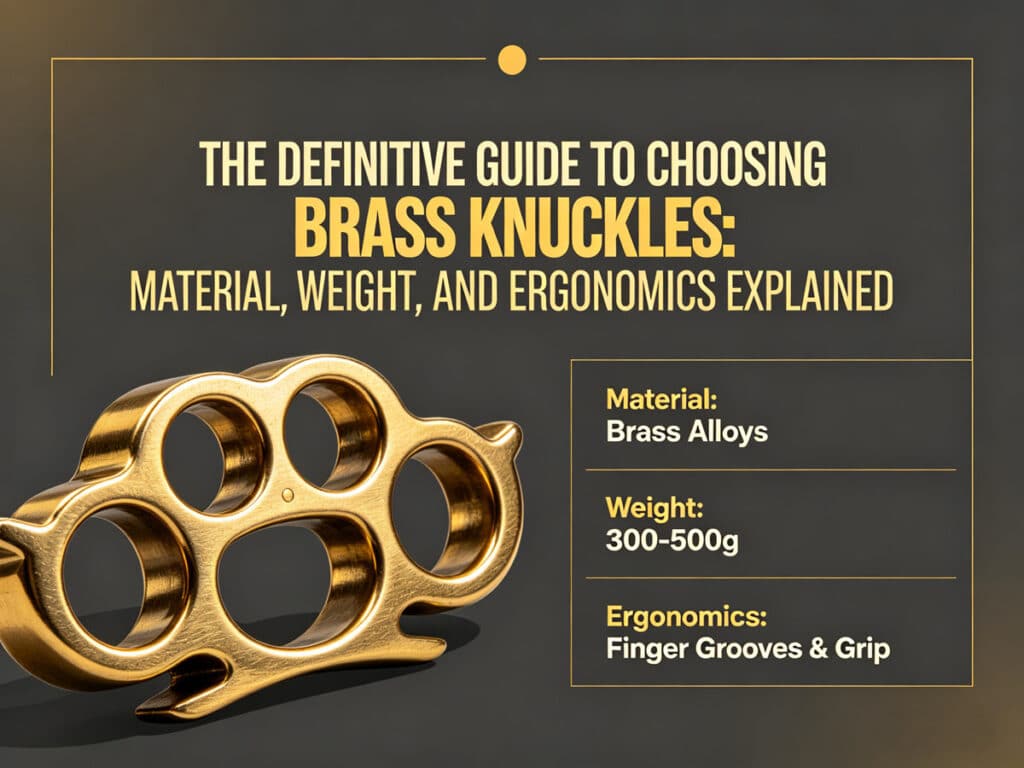
How to Choose the Right Brass Knuckles (Material, Weight, Ergonomics)
In the world of self-defense tools, few items carry the same iconic status as brass knuckles. Known for their compact design and formidable striking power, these tools have evolved from their historical military origins into modern tactical accessories. However, not all brass knuckles are created equal—choosing the right one requires careful consideration of material durability, weight distribution, and ergonomic fit. Whether you’re a collector, a self-defense enthusiast, or simply exploring your options, this guide will help you navigate the key factors that define a high-quality knuckle weapon.
I. Understanding Brass Knuckles: A Brief Overview
Before diving into selection criteria, it’s essential to grasp what brass knuckles are and how they function.
- Historical Context: Originally designed for close-quarters combat, brass knuckles (also called knuckle dusters) amplify punching force by concentrating impact across four finger holes and a reinforced striking surface.
- Modern Applications: Today, they serve as tactical self-defense tools, though legal restrictions vary by region (always check local laws before purchasing).
- Key Components: A well-made knuckle consists of a frame (finger loops), a bridge (palm bar), and sometimes an integrated spike or blade for added utility.
Understanding these basics ensures you select a functional and legally compliant tool.
II. Material Matters: Choosing the Right Build for Durability
The material of your brass knuckles determines longevity, weight, and even legal classification. Here’s a breakdown of common options:
1. Traditional Brass
- Pros: Dense and corrosion-resistant, brass offers a classic look with decent heft for impact.
- Cons: Can be heavier than modern alloys, potentially causing fatigue during prolonged use.
2. Stainless Steel
- Pros: Superior strength and rust resistance, ideal for humid climates or long-term storage.
- Cons: Heavier than aluminum, which may reduce maneuverability.
3. Aircraft-Grade Aluminum
- Pros: Lightweight yet durable, perfect for quick strikes and everyday carry.
- Cons: Less mass means slightly reduced striking power compared to steel or brass.
4. Polymer/Composite
- Pros: Often legally ambiguous (may bypass metal-detection laws), lightweight, and affordable.
- Cons: Lacks the structural integrity of metal, making it less reliable for heavy impact.
Pro Tip: For a balance of strength and portability, stainless steel or aluminum are top choices.
III. Weight and Balance: Striking the Perfect Equilibrium
A knuckle’s weight affects both control and striking efficiency.
1. Lightweight (Under 8 oz)
- Best For: Concealed carry, rapid strikes.
- Trade-off: Reduced kinetic energy transfer.
2. Medium Weight (8–12 oz)
- Best For: Balanced performance—enough mass for power without sacrificing speed.
3. Heavyweight (12+ oz)
- Best For: Maximum impact (e.g., breaking glass), but may feel cumbersome in extended use.
Key Insight: A well-balanced knuckle distributes weight toward the striking surface while keeping the finger loops light for agility.
IV. Ergonomics: Fit and Comfort for Practical Use
A poorly fitted knuckle can hinder performance or even injure the user. Prioritize these ergonomic factors:
1. Finger Loop Sizing
- Too Tight: Restricts blood flow and movement.
- Too Loose: Risk of slippage during strikes.
- Ideal Fit: Snug but not constricting, with rounded edges to prevent blisters.
2. Palm Bar Design
- Flat vs. Contoured: A curved palm bar conforms to your grip, reducing hand strain.
- Textured Grips: Enhance control during high-pressure situations.
3. Weight Distribution
- Forward-Weighted: Favors punching power (common in self-defense models).
- Neutral Balance: Better for versatility (e.g., combined with a tactical pen function).
Test Before Buying: If possible, handle the knuckle to assess comfort and natural alignment with your fist.
V. Legal and Practical Considerations
Before finalizing your purchase, address these critical questions:
1. Is It Legal in Your Area?
- Many regions classify brass knuckles as prohibited weapons. Check local statutes—some allow “paperweight” or “collector” versions.
2. Intended Use
- Self-Defense: Opt for sturdy metals (steel/brass) with a secure grip.
- Collection/Display: Aesthetics (e.g., engraved designs) may take priority.
3. Multi-Functionality
- Some modern knuckles integrate tools like glass breakers or belt cutters, adding tactical value.
VI. Where to Buy: Trusted Sources and Final Tips
Not all sellers offer reliable products. For premium options:
- Reputable Retailers: Look for vendors with verified customer reviews and clear material specifications.
- Customization: Some brands (like BrassKnucklesMaster.com) offer personalized engravings or hybrid designs (e.g., knuckle + tactical pen).
- Maintenance: Clean metal knuckles with a soft cloth and silicone spray to prevent tarnishing.