
Mar
Knowledge of Weapons, Weapons What
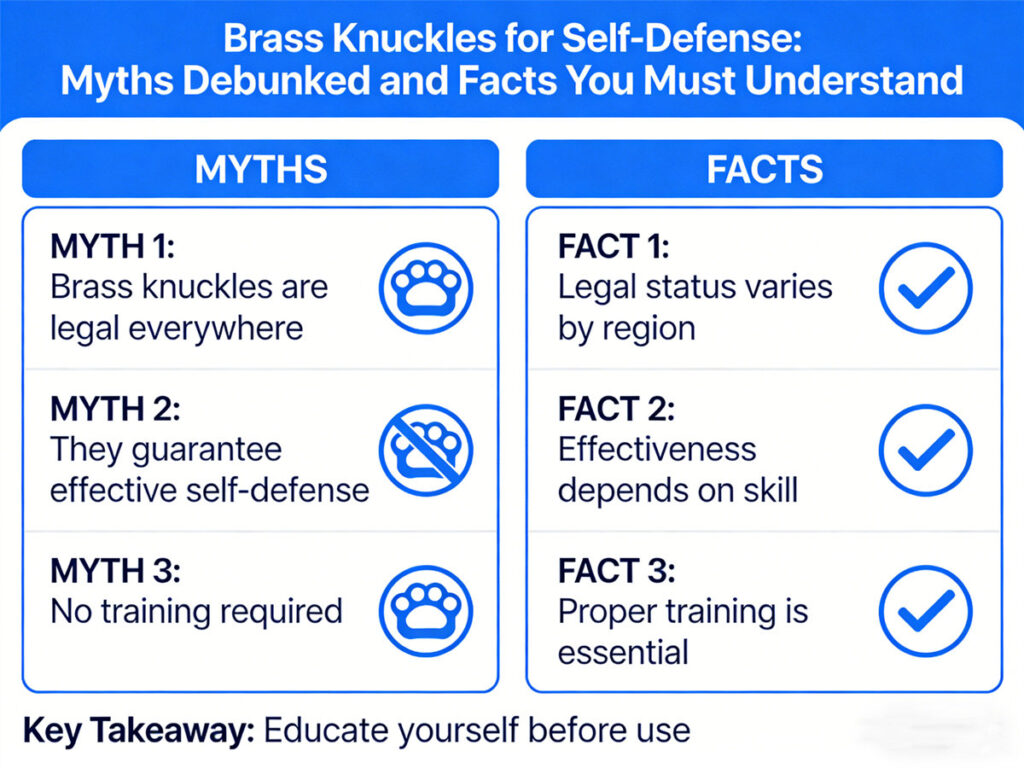
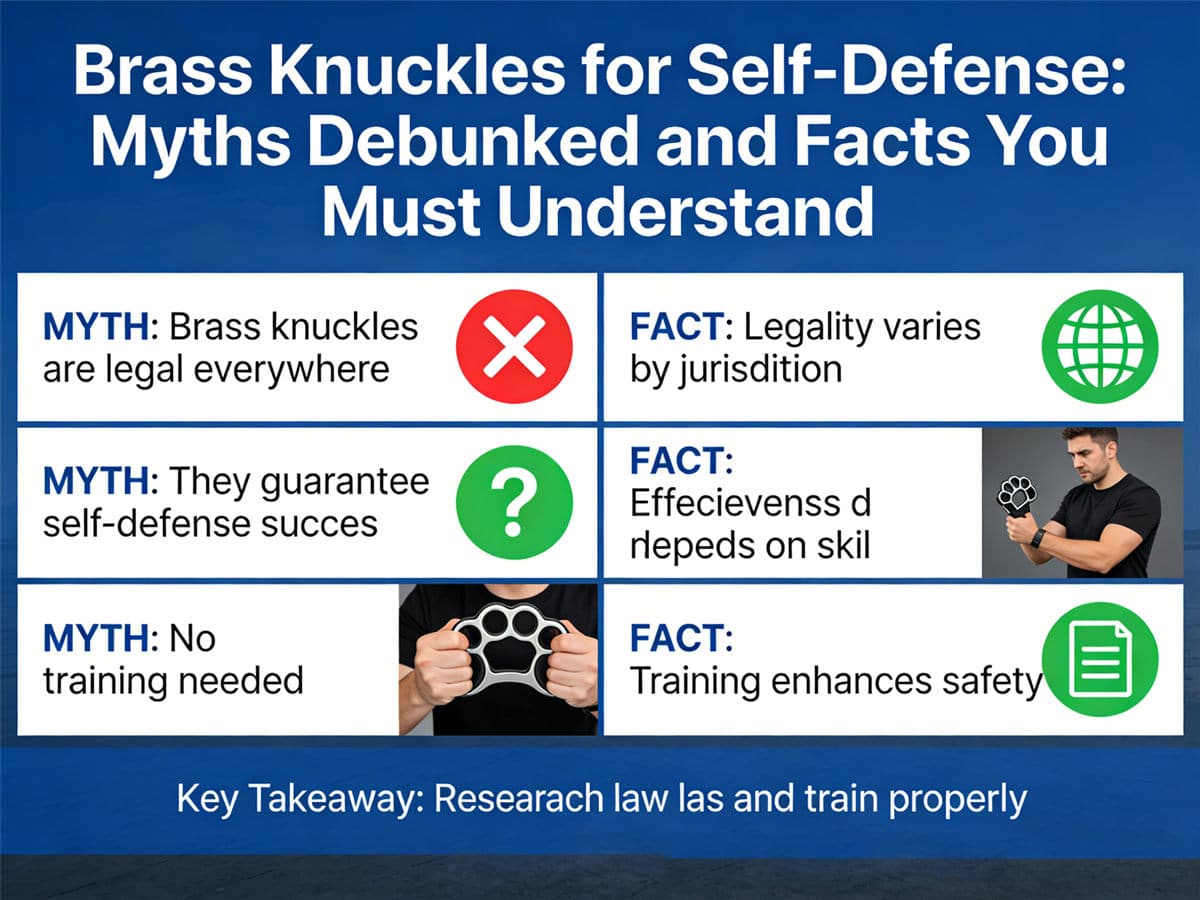
Brass Knuckles for Self-Defense: Myths Debunked and Facts You Must Understand
1. Understanding the Origins of Brass Knuckles
The conversation around brass knuckles often begins with strong opinions and dramatic assumptions, yet very few people take the time to understand where these tools originated and how they evolved. Historically, reinforced hand weapons emerged as a response to the limitations of the human fist in combat situations. Long before modern manufacturing, fighters sought ways to protect their hands while increasing striking efficiency.
During the 19th century, metal knuckle-dusters became more widely produced due to industrial advances in casting and machining. Brass was commonly used because of its durability and corrosion resistance, though other metals were also employed. While these tools have appeared in military contexts and urban settings alike, their cultural symbolism has frequently overshadowed their mechanical simplicity.
Understanding this background is important because myths often stem from exaggeration, media portrayals, or incomplete historical knowledge. To evaluate whether brass knuckles are realistic or practical as self-defense tools, one must separate historical facts from fictional narratives.
2. Myth #1: Brass Knuckles Make Someone “Unstoppable”
One of the most persistent myths is that brass knuckles dramatically transform an individual into an overwhelmingly powerful force. This belief is often reinforced by movies and television, where a single punch appears to end any confrontation instantly.
The Reality of Physics
In practical terms, brass knuckles function by redistributing force and reducing the risk of injury to the hand. They concentrate impact over a smaller surface area, which increases pressure at the point of contact. However, they do not grant superhuman strength. Physical capability, situational awareness, and training still matter significantly.
Limitations in Real-World Scenarios
No tool guarantees dominance in a physical confrontation. Variables such as size differences, environmental factors, and multiple aggressors cannot be neutralized by a single piece of equipment. Overconfidence fueled by myths can actually increase risk rather than enhance safety.
3. Myth #2: They Are Completely Illegal Everywhere
Another common misconception is that brass knuckles are universally illegal across all regions and countries. While it is true that many jurisdictions restrict or prohibit them, the legal landscape is far more complex than a simple yes-or-no answer.
Legal Variation by Region
In the United States, laws differ from state to state. Some states classify brass knuckles as prohibited weapons, while others allow possession under specific circumstances. Internationally, regulations vary even more widely. Certain countries impose strict bans, whereas others may permit ownership with limitations.
The Importance of Research
Because laws can change and enforcement policies may vary, responsible individuals must verify local regulations before purchasing or carrying any impact device. Legal awareness is not optional; it is essential.
Believing that something is “legal everywhere” or “illegal everywhere” without verification can lead to serious consequences.
4. Myth #3: They Are the Best Self-Defense Option Available
There is also a belief that brass knuckles represent the ultimate or most effective non-firearm self-defense solution. In reality, self-defense tools should be evaluated within a broader framework that includes de-escalation strategies, awareness, and avoidance.
Close-Range Requirement
Brass knuckles require close physical proximity to be effective, which means the user must engage directly with an aggressor. This increases personal risk compared to tools designed to create distance.
Alternative Defensive Tools
Modern self-defense options include personal alarms, tactical flashlights, pepper spray (where legal), and other devices that emphasize escape rather than confrontation. The “best” tool varies depending on lifestyle, environment, and comfort level.
Overstating the capability of any single device oversimplifies the complexity of real-world safety planning.
5. Fact: They Can Increase Injury Risk—For Both Parties
While much discussion focuses on the intended target, an often-overlooked reality is that brass knuckles can pose risks to the user as well.
Potential for Legal Consequences
Even in jurisdictions where possession is permitted, using brass knuckles in a confrontation may carry severe legal consequences, especially if force is deemed excessive. Self-defense laws typically require proportional response, and escalation can result in criminal liability.
Physical Risk to the User
Although brass knuckles are designed to reduce hand injury, improper fit or misuse can still result in harm. Additionally, escalating a situation to physical violence may increase the likelihood of injury from retaliation.
Recognizing these risks is crucial for anyone considering any form of impact device for personal defense.
6. Cultural Perception vs. Practical Reality
Media portrayals have significantly shaped public perception of brass knuckles, often emphasizing their association with crime or aggression. However, perception does not always align with reality.
Pop Culture Influence
From early 20th-century crime dramas to modern action films, brass knuckles have frequently appeared as dramatic props. These portrayals amplify their perceived lethality and mystique, contributing to myths that persist today.
Modern Consumer Perspective
Today, some individuals view brass knuckles as collectible items, historical curiosities, or symbolic artifacts rather than everyday carry tools. In this context, they are sometimes appreciated for craftsmanship and design rather than practical defensive use.
Separating cultural imagery from factual evaluation helps individuals make more rational decisions.
7. Responsible Consideration in the Modern Era
When discussing brass knuckles in the context of self-defense, responsibility must remain the central theme. Myths and exaggerations can distort expectations, while ignorance of legal realities can create serious consequences.
Anyone researching a brass knuckle for personal interest—whether historical, collectible, or defensive—should approach the topic with careful attention to local laws and ethical considerations. Online platforms such as brassknucklesmater.com may provide product listings and background information, but independent verification of regulations is essential before making any decision.
Ultimately, personal safety is best supported by awareness, avoidance strategies, and informed judgment rather than reliance on a single tool. Understanding both the myths and the verified facts surrounding brass knuckles empowers individuals to think critically, act responsibly, and prioritize lawful, proportionate responses in all circumstances.