
May
Knowledge of Weapons, Weapons What
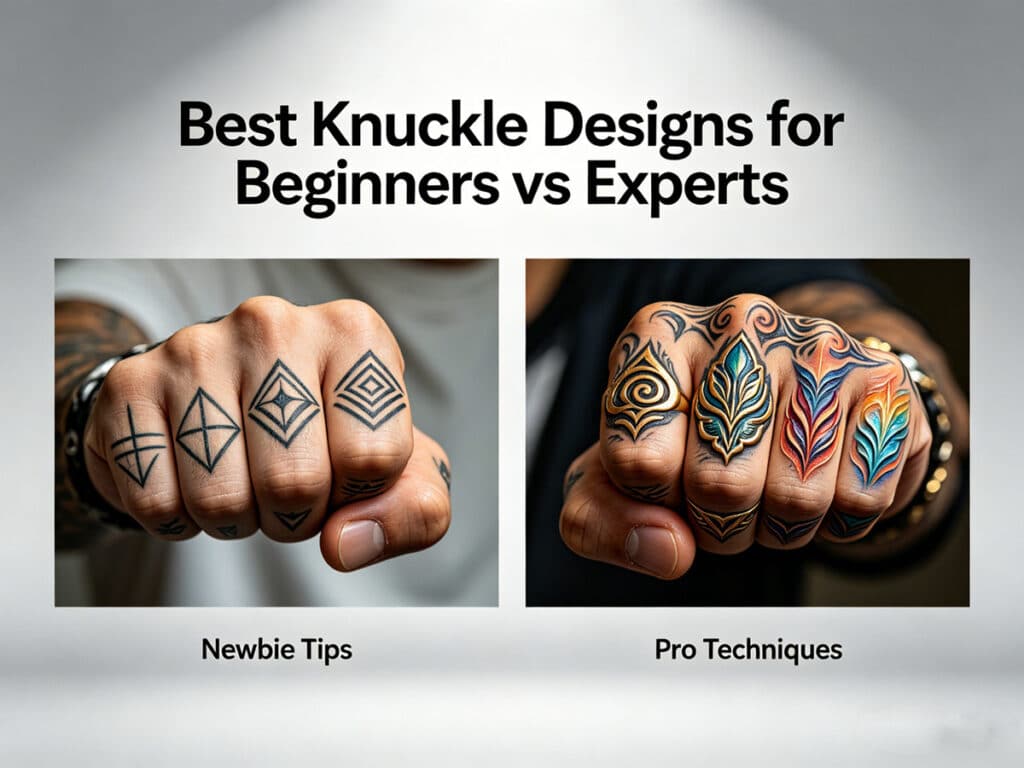
Best Knuckle Designs for Beginners vs Experts
When it comes to selecting the perfect brass knuckle design, the journey from beginner to expert practitioner represents a fascinating evolution in understanding, skill development, and personal preference. Whether you are someone who has never handled such a tool before or an experienced individual looking to upgrade your collection, the world of knuckle designs offers a diverse array of options that cater to every skill level and purpose. Understanding the fundamental differences between designs suited for beginners versus those crafted for experts can make the difference between a frustrating experience and a genuinely enjoyable one, which is precisely why this comprehensive guide exists to walk you through every essential consideration.
The terminology surrounding these tools can sometimes create confusion among newcomers, with terms like “knuckle dusters,” “knucklebows,” and various other regional names being used interchangeably in popular discourse. Rather than getting bogged down in semantic debates, this article focuses on the practical aspects of design, ergonomics, materials, and intended use cases that truly matter when you are making a purchasing decision. Professional practitioners and collectors alike will appreciate the nuanced approach we take to examining these fascinating tools, as we believe that informed decisions lead to safer and more satisfying ownership experiences.
Throughout this guide, you will notice that we approach the subject matter with the respect and seriousness it deserves, recognizing that these are tools with significant historical importance and modern-day utility. Our goal is to provide you with actionable information that you can use immediately, whether you are shopping for your first piece or expanding your existing collection with an advanced addition. The experts at brassknucklesmaster.com have compiled this resource to serve as your definitive reference for all things related to knuckle designs, and we are confident that by the end of this article, you will feel empowered to make choices that align perfectly with your experience level and personal requirements.
Materials and Construction: The Foundation of Quality Design
Understanding Common Materials Used in Knuckle Construction
The material from which a brass knuckle is constructed plays a pivotal role in determining its durability, weight, aesthetics, and overall performance characteristics. Among the most traditional and widely recognized materials is brass itself, which has been the material of choice for these tools since their inception in the nineteenth century, primarily because of its ideal balance between weight, malleability, and corrosion resistance that makes it suitable for both beginners and experienced users alike. Brass develops a beautiful patina over time that many collectors find extremely desirable, and this natural aging process actually enhances the character and uniqueness of each individual piece, transforming it from a mere tool into a personalized artifact that tells its own story through the marks of time and use.
Stainless steel represents another premium option that has gained tremendous popularity among professionals and serious collectors who prioritize maximum durability and a more modern aesthetic appeal that appeals to contemporary sensibilities. The superior hardness of stainless steel means that these pieces can withstand significantly more rigorous use without showing signs of wear, though they tend to be heavier than their brass counterparts and may require more careful handling to prevent damage to surfaces they contact. Aluminum and titanium variants have also emerged in recent years, offering lightweight alternatives that appeal to those who need something less burdensome to carry daily while still maintaining respectable structural integrity and strength characteristics that inspire confidence during use.
The construction method itself is equally important to consider, as cast pieces typically exhibit less consistent quality than those that are forged or machined from solid stock, with the latter methods producing superior grain structure and mechanical properties that translate directly into enhanced performance and longevity. When evaluating any knuckle design, you should always examine the craftsmanship carefully, paying special attention to the smoothness of edges, the precision of holes for fingers, and the overall balance of the piece in your hand, as these details often distinguish professional-grade products from inferior mass-produced alternatives that flood the market and disappoint unsuspecting buyers.
Weight Considerations for Different User Levels
Weight distribution and overall heft are factors that significantly impact the user experience, and what feels comfortable to a beginner may differ substantially from what an expert practitioner prefers for their specific applications and use cases. Beginners generally benefit from lighter designs that allow them to develop proper grip techniques and understand the tool’s center of gravity without becoming fatigued or developing bad habits caused by fighting against excessive weight during the learning process. Medium-weight designs around 200-350 grams often prove ideal for those just starting their journey, as they provide enough substance to feel substantial and serious without being overwhelming to handle for extended periods of time.
Experts, on the other hand, often gravitate toward heavier pieces that deliver maximum impact potential and a sense of gravitas that lighter alternatives simply cannot replicate, with some experienced practitioners preferring designs weighing 400 grams or more for certain applications where stopping power and psychological impact take precedence over portability and ease of carry. The key is understanding that there is no universally “correct” weight for everyone, and your ideal choice depends heavily on your physical strength, intended use frequency, and personal comfort preferences that can only be discovered through careful experimentation and honest self-assessment of your own capabilities and limitations. Many experts maintain multiple pieces of varying weights to accommodate different scenarios and preferences, demonstrating that thoughtful collectors understand the value of having options available when circumstances demand flexibility and adaptability.
Beginner-Friendly Designs: Starting Your Journey Right
Features That Make Designs Ideal for Beginners
When selecting a brass knuckle as a beginner, certain design features become particularly important in facilitating a positive learning experience and building confidence progressively without creating frustration or safety concerns that might discourage continued engagement with the hobby. The most beginner-appropriate designs typically feature generous finger holes that accommodate a wider range of hand sizes comfortably, including those that might fall outside the “average” measurements that many designers use as their baseline reference points when creating their templates and specifications. These enlarged openings reduce the risk of the piece becoming stuck or causing circulation problems during use, which represents a genuine safety consideration that should never be overlooked by those who are still learning proper technique and grip strength modulation.
Smooth, rounded edges characterize the best beginner designs because they minimize the risk of accidental cuts or abrasions during handling, storage, and the inevitable fumbling that occurs when someone is still developing muscle memory and familiarity with their new acquisition. Aggressive texturing and pronounced finger grooves, while potentially beneficial for experts who already know how to manage them, can actually impede the learning process for newcomers by creating unnecessary complexity that distracts from mastering fundamental concepts like proper hand positioning and weight distribution. Simple, clean designs that prioritize functionality over flashy aesthetics often prove to be the most satisfying choices for beginners who are still developing their understanding of what qualities matter most to them personally.
Durability should be a paramount concern even for beginners, as purchasing a poorly made piece that bends, cracks, or otherwise fails during initial use can create a profoundly negative impression that colors future interactions with the hobby and potentially damages confidence in one’s ability to select appropriate equipment. Investing in a quality beginner piece from a reputable source like brassknucklesmaster.com ensures that your first experience will be positive, educational, and representative of what the best the hobby has to offer truly feels like when executed properly by craftspeople who understand the needs of their diverse customer base.
Recommended Beginner Design Categories
Among the various categories of brass knuckle designs available to newcomers, classic utilitarian shapes represent perhaps the safest and most universally satisfying starting point for those who want to explore the hobby without committing to highly specialized or unusual configurations that might not align with their eventual preferences and发展方向. These traditional designs typically feature symmetrical four-hole configurations with straightforward geometric shapes that have stood the test of time precisely because they work well and feel comfortable across a wide spectrum of hand sizes and grip styles that different users naturally develop based on their individual anatomy and preferences.
Minimalist modern interpretations have also emerged as popular choices for beginners, offering clean aesthetics that appeal to contemporary sensibilities while maintaining the practical functionality that ensures a satisfying ownership experience from day one of acquisition. These pieces often feature streamlined profiles without unnecessary ornamentation, making them excellent choices for those who appreciate understated elegance and prefer their tools to communicate competence through quality rather than through visual loudness and aggressive styling that can feel intimidating to first-time handlers who have not yet developed the confidence to wield more dramatic designs with proper authority and control.
Advanced Designs for Expert Practitioners
Characteristics That Define Expert-Level Pieces
Experienced practitioners bring a wealth of knowledge and specific preferences to their selection process, which is why tactical pen manufacturers and traditional knuckle designers alike have developed sophisticated product lines that cater to the discerning requirements of those who have moved beyond basic functionality to seek advanced features and exceptional craftsmanship. Expert-level pieces often incorporate more aggressive ergonomics, including pronounced finger grooves, textured grip surfaces, and contoured profiles that are precisely engineered to lock into the hand with maximum security and minimal slip risk, even under conditions of heavy use or stress that might cause panic or loss of fine motor control in less experienced handlers.
The level of detail and finish quality in expert designs typically far exceeds what you would find in entry-level products, with hand-polished surfaces, precisely machined edges, and meticulous attention to even small details that collectively create an ownership experience bordering on the luxurious and collectible. Many expert pieces are produced in limited quantities or as part of numbered series that appeal to collectors who understand the significance of rarity and provenance in determining long-term value and historical importance within the hobby’s ecosystem of enthusiasts and historians alike. These premium characteristics come with corresponding price tags that may seem steep to newcomers but represent genuine value to those who possess the experience necessary to recognize and appreciate the exceptional quality being offered.
Functional enhancements such as integrated glass breakers, hidden compartments, or multipurpose configurations distinguish many expert designs from simpler alternatives, providing additional utility that appeals to those who view their tools as comprehensive problem-solving devices rather than single-purpose instruments with limited application potential across varied scenarios they might encounter in daily life or specialized professional contexts.
Style Preferences Among Experienced Collectors
The world of expert collectors encompasses an incredibly diverse range of aesthetic preferences that span from historically accurate reproductions of vintage designs to cutting-edge contemporary interpretations that push the boundaries of what these tools can look like while maintaining their essential character and functional integrity. Some experts gravitate toward military-themed pieces that incorporate authentic design elements from various periods of military history, complete with unit markings, era-appropriate finishes, and historical documentation that transforms each piece into a tangible connection to important moments in human conflict and the evolution of personal equipment used by soldiers and warriors throughout recorded history.
Artistic and decorative interpretations have also gained substantial following among expert collectors who appreciate the intersection of functional tool and wearable sculpture that allows skilled artisans to express their creativity while producing objects of genuine practical utility and not merely decorative novelty. These gallery-worthy pieces often command premium prices and attract attention from museums, private collectors, and galleries that recognize their significance as examples of exceptional craftsmanship meeting unique artistic vision in ways that transcend conventional categories and challenge our assumptions about what functional objects can achieve aesthetically.
Choosing the Right Design for Your Experience Level
Assessing Your Current Skill and Comfort Level
The process of selecting your ideal brass knuckle should begin with an honest self-assessment of your current experience level, physical capabilities, and practical requirements that will guide every subsequent decision in the purchasing process and ultimately determine your satisfaction with the chosen piece over time. Beginners should resist the temptation to purchase overly aggressive or complex designs based solely on aesthetic appeal or the mistaken belief that “bigger is always better” when the opposite is frequently true for those who have not yet developed the skills necessary to handle such demanding equipment safely and effectively. Starting with a moderate design that challenges you appropriately without overwhelming your developing capabilities represents the optimal approach that experienced practitioners almost universally recommend to newcomers seeking guidance in their purchasing decisions.
Intermediate practitioners who have moved beyond the absolute beginner stage but have not yet achieved true expert status should focus on refining their preferences and understanding which specific characteristics matter most to them personally, as this period of exploration often proves essential for developing the informed judgment that characterizes experienced collectors and users who know precisely what they want and can articulate why they want it in terms that reflect genuine expertise and nuanced understanding of the subject matter. Testing various designs, attending collector meets, and engaging with online communities dedicated to these fascinating tools can accelerate this learning process significantly and help intermediate practitioners avoid expensive mistakes that might result from purchasing pieces that seemed appealing in photographs but fail to deliver satisfaction in actual use and handling.
Experts have the luxury of focusing on fine-tuning their collections toward specific themes, periods, or aesthetic directions that reflect years of accumulated knowledge and refined personal taste that guides their purchasing decisions with confidence and clarity that only comes from extensive experience and deep engagement with the hobby over extended periods of time and countless hours of hands-on interaction with diverse examples of craftsmanship and design philosophy.
Matching Designs to Intended Use Cases
Understanding how you intend to use your brass knuckle is absolutely essential for selecting a design that will perform optimally in your specific applications rather than discovering after purchase that your chosen piece is poorly suited for the tasks you actually need it to accomplish. Casual collectors who primarily appreciate these objects as historical artifacts, works of art, or conversation pieces may prioritize aesthetics and collectibility over raw functional performance, potentially finding great satisfaction in elaborate decorative designs that might prove impractical for someone planning to use their piece regularly in demanding physical applications where durability and specific functional characteristics take precedence over visual appeal and artistic merit.
Self-defense applications introduce additional considerations regarding size, weight, ease of draw from concealment, and stopping power that are often quite different from the priorities of collectors or those seeking tools for sporting or recreational purposes, which means that anyone planning to carry their piece for such serious applications should seek out designs specifically engineered for that purpose rather than assuming that any brass knuckle will serve equally well regardless of context or intention. The tactical community has developed its own subset of preferences and requirements that inform purchasing decisions among those who view these tools as components of a comprehensive personal safety strategy that includes training, legal awareness, and responsible use practices that professional practitioners consider inseparable from the physical equipment they carry.
Care, Maintenance, and Responsible Ownership
Protecting Your Investment Through Proper Care
Regardless of whether you own an inexpensive beginner piece or an investment-grade collector item worth thousands of dollars, proper care and maintenance practices will significantly extend the functional lifespan and visual appeal of your brass knuckle while preserving its value as a collectible if you ever decide to sell or trade it in the future. Regular cleaning to remove accumulated oils, dirt, and debris that naturally transfer from hands during normal handling prevents corrosion and surface degradation that can compromise both aesthetics and structural integrity over extended periods of neglect and improper storage conditions. A soft cloth, mild soap, and careful attention to detail during the cleaning process will serve most owners well, while more aggressive cleaning methods or commercial products should be approached with caution to avoid inadvertently damaging delicate finishes or patina that many collectors specifically value and wish to preserve as evidence of authentic age and genuine use history.
Storage considerations are equally important for maintaining optimal condition, with protective cases or individual pouches preventing scratches, dings, and other physical damage that can occur when multiple pieces are stored together or when objects are placed loosely in drawers or bags where they can shift, fall, or come into contact with harder materials that cause cosmetic damage that diminishes both visual appeal and potential resale value. Climate control helps prevent issues with excessive humidity or temperature fluctuations that can accelerate corrosion processes or cause dimensional instability in pieces made from certain materials, particularly those incorporating polymers, natural materials, or dissimilar metals in their construction and design.
Professional maintenance services offered by skilled craftspeople can restore damaged or neglected pieces to excellent condition when DIY approaches prove insufficient, though such services come with costs that should factor into your overall ownership cost calculations when evaluating pieces of various quality levels and price points that you might be considering for purchase or already own in your personal collection.
Legal and Ethical Considerations for Responsible Ownership
Understanding the legal landscape surrounding brass knuckle ownership is an absolute necessity for any responsible practitioner, as laws vary dramatically between jurisdictions and change over time in response to shifting political priorities and public safety concerns that influence legislative activity at local, state, national, and international levels. What is perfectly legal and socially acceptable in one location may carry severe penalties in another, which means that anyone who travels with their collection or plans to relocate should invest significant effort in researching applicable regulations and ensuring full compliance with all relevant requirements that govern ownership, carry, display, and transportation of these items across various contexts and circumstances.
Ethical considerations extend beyond mere legal compliance to encompass thoughtful reflection on how your ownership and use of these tools reflects upon yourself, the broader community of enthusiasts, and the reputation of the hobby as a whole in the eyes of the general public and legislative bodies whose actions can profoundly impact future accessibility and availability of these fascinating objects. Responsible ownership means practicing good judgment about when and how to discuss your interests, maintaining appropriate security for your collection to prevent unauthorized access or use by others, and engaging constructively with individuals and organizations that may hold negative perceptions about these tools based on limited information, sensationalized media coverage, or historical incidents that do not fairly represent the broader community of collectors and enthusiasts who pursue their interests peacefully and legally.
The team at brassknucklesmaster.com strongly encourages all practitioners to stay informed about relevant legal developments, connect with local and national organizations that advocate for reasonable regulations based on evidence rather than fear, and approach their hobby with the maturity and responsibility that will ensure these tools remain available for future generations of enthusiasts to appreciate, collect, and study as important artifacts of human history and material culture that deserve preservation and thoughtful interpretation rather than knee-jerk prohibition based on misunderstanding and misinformation that unfortunately characterize too much public discourse about these misunderstood objects.