
Apr
Knowledge of Weapons, Whether Weapons Are Illegal
Are Tactical Pens Legal for Everyday Carry in 2025?
I. The Evolution of Tactical Pens: From Niche Tool to Mainstream EDC
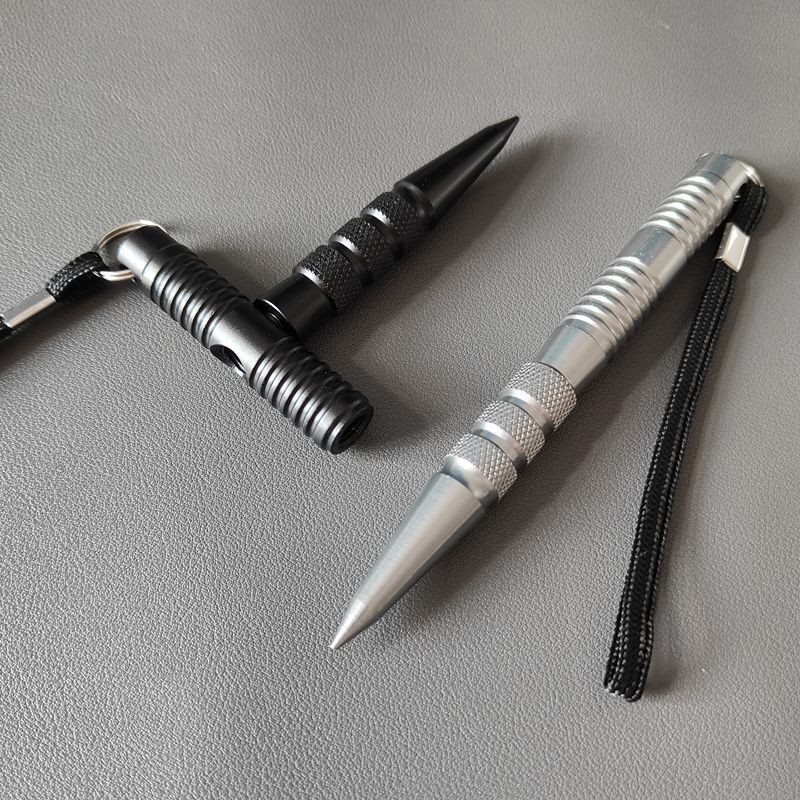
The tactical pen, once a specialized tool for military and law enforcement personnel, has become a staple in the everyday carry (EDC) community. Designed to blend functionality with self-defense capabilities, these pens feature rugged construction, glass-break tips, and discreet writing mechanisms. By 2025, advancements in materials like aerospace-grade aluminum and carbon fiber composites have made them lighter, more durable, and aesthetically versatile. However, their dual-purpose nature—combining utility with potential defensive use—has sparked debates about their legality across jurisdictions.
Critics argue that tactical pens blur the line between self-defense tools and concealed weapons, while advocates emphasize their practicality in emergencies. The question remains: How do modern laws classify these devices, and what risks do carriers face in 2025?
II. Legal Frameworks Governing Tactical Pens in 2025
The legality of tactical pens hinges on three factors: design intent, local weapon laws, and enforcement discretion. In the United States, federal law does not explicitly ban tactical pens, but state and municipal regulations vary widely. For example:
- California and New York classify devices with glass-break tips or strike surfaces as “concealed weapons” if carried with intent to harm.
- Texas and Florida permit tactical pens under self-defense laws, provided they are not modified to include blades or prohibited features.
- The European Union’s Standardized Defense Tools Act (2023) mandates that tactical pens must pass “non-lethal” certification tests to be sold in member states.
In 2025, a landmark case in Illinois (State v. Ramirez) clarified that carrying a tactical pen for “reasonable preparedness” does not equate to criminal intent, provided the carrier complies with concealed carry regulations. Legal experts warn, however, that ambiguous statutes in cities like Chicago or Los Angeles still leave room for subjective interpretation by law enforcement.
III. International Perspectives: A Patchwork of Regulations
Globally, the legality of tactical pens reflects cultural attitudes toward self-defense and weapon regulation. Key trends in 2025 include:
- United Kingdom: Under the Offensive Weapons Act 2024, tactical pens with “sharpened or reinforced tips” are prohibited in public spaces unless carried by authorized professionals.
- Australia: States like New South Wales require permits for tactical pens categorized as “controlled items,” while Victoria permits them for occupational use (e.g., security personnel).
- Japan: Strict weapon laws classify even non-lethal tools as “suspicious items,” leading to frequent confiscations at security checkpoints.
The United Nations’ 2024 Report on Personal Safety Tools highlights a growing divide: Western nations increasingly recognize tactical pens as legitimate EDC items, while authoritarian regimes label them as threats to public order. Travelers are advised to research local laws—carrying a tactical pen in Singapore or Dubai, for instance, could result in fines or detention.
IV. Practical Considerations for Legal Everyday Carry
To avoid legal pitfalls, users must adopt a proactive approach:
- Know Your Jurisdiction: Consult updated weapon classification databases or legal advisors to verify local statutes. For example, Canada’s 2025 amendments to the Criminal Code exempt tactical pens from prohibited weapon lists if they lack “aggressive modifications.”
- Avoid High-Risk Scenarios: Carrying a tactical pen into government buildings, airports, or schools may trigger security alerts, even in permissive jurisdictions.
- Document Intent: Maintain proof of purchase or manufacturer specifications to demonstrate that the pen is intended for writing or emergency use, not as a weapon.
Additionally, training matters. Organizations like the International Tactical Pen Association (ITPA) offer certification courses to educate users on de-escalation techniques and legal compliance, reducing liability risks in confrontational situations.
V. The Future of Tactical Pens: Innovation vs. Regulation
As demand for multifunctional EDC tools grows, manufacturers face pressure to innovate while adhering to tightening regulations. In 2025, companies like Gerber and Benchmade have introduced “smart pens” with embedded GPS trackers and emergency alert systems, which circumvent weapon classifications by emphasizing connectivity over defense.
Meanwhile, lawmakers are grappling with ethical dilemmas. Should a pen capable of breaking glass or deterring an attacker be treated as a tool of empowerment or a public hazard? The 2025 Global EDC Summit proposed a middle ground: standardized safety certifications and usage guidelines to harmonize laws across borders.
For now, the tactical pen remains a symbol of the broader debate over personal safety and individual rights in an increasingly uncertain world. As legal frameworks evolve, users must stay informed, prioritize responsibility, and recognize that the pen’s greatest power lies not in its tip but in the wisdom of its wielder.
Final Word
In 2025, tactical pens occupy a unique niche where practicality intersects with legal ambiguity. While they are legal for everyday carry in many regions, their acceptance hinges on context, intent, and adherence to dynamic regulations. By staying educated and exercising caution, users can leverage these tools effectively without crossing into legal jeopardy.